
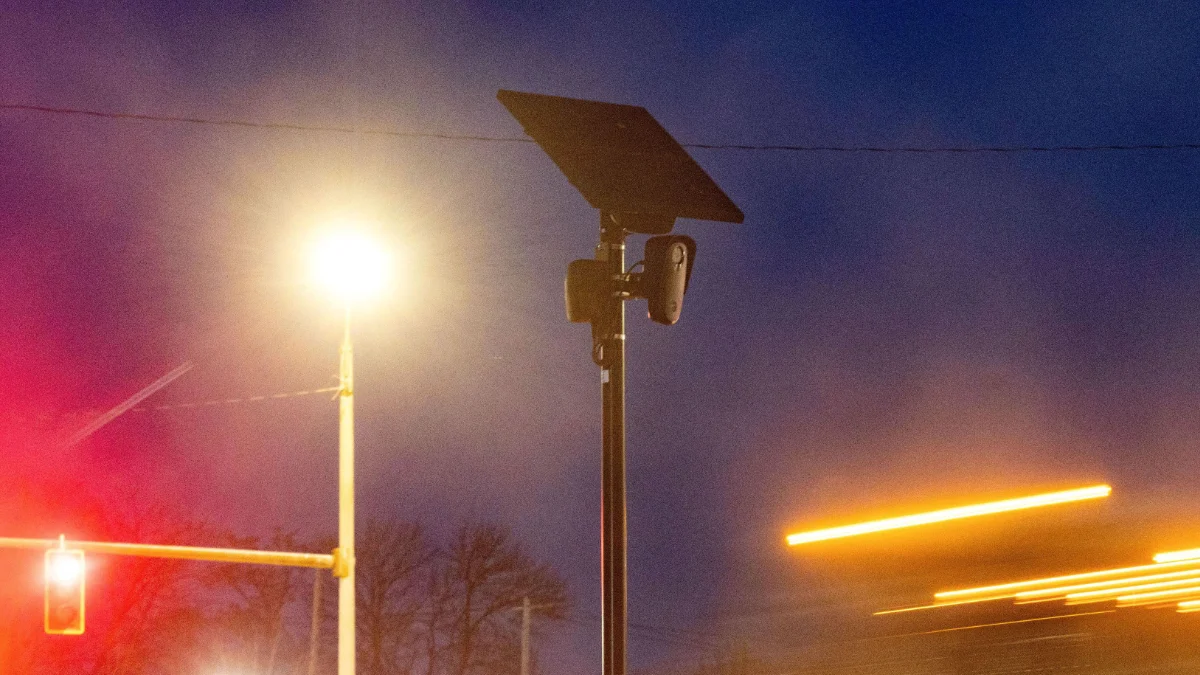
The surveillance technology company Flock Safety and automated license plate reader (ALPR) systems broadly are under increasing scrutiny in the United States amid widespread privacy concerns and abuses. Lawmakers, civil rights groups, and concerned citizens are calling for stronger regulatory restrictions and independent judicial oversight to curb the expanding use of these cameras, which are rapidly becoming tools for pervasive mass video surveillance beyond their original crimefighting intent.
What Happened
Amid growing alarm, multiple U.S. cities have canceled contracts with Flock Safety’s ALPR systems, and Congress is reviewing potential funding cuts to these programs. Following a series of reports revealing abuses—such as misuse of the technology by law enforcement officers to stalk individuals—Flock on August 13 announced updated policies that include reducing data retention periods to one week. Despite these changes, privacy experts have criticized the reforms as insufficient, especially because they rely heavily on self-regulation rather than independent enforcement.
Investigative reporting has also exposed advanced developments by federal agencies like Customs and Border Protection, which deploy AI to analyze ALPR data nationwide for “suspicious” driving patterns. This AI-driven surveillance has led to stops, searches, and arrests based on automated assessments, a use case unaffected by Flock’s shorter data retention policies.
Key Facts
The controversy surrounds Flock Safety, a major vendor of ALPR technology actively deployed across U.S. municipalities. Dozens of cities have publicly terminated their contracts amid privacy and abuse concerns. Congress is considering restricting funding for ALPR programs, reflecting ongoing legislative review. Flock’s new retention policy cuts standard data storage to one week. However, federal use of ALPRs—such as by Customs and Border Protection—is deploying AI-powered analytics that scan driving data continuously for law enforcement intervention, without current limits linked to data retention reforms.
Further, Flock has introduced the “FreeForm” video search feature, enabling authorities to sift through video footage for specific vehicles, objects, or individuals, raising fears of extended surveillance capabilities including tracking based on demographics or political affiliations. There are documented instances where law enforcement accessed video searches targeting individuals displaying political symbols such as Trump flags. Experts warn this function could be a precursor to dragnet facial recognition systems, which scan all faces in footage in real time against watchlists—a practice currently banned or limited but poised for future deployment.
What This Means
The evolving use of ALPR technology signals a dramatic shift in public surveillance, from targeted crimefighting tools toward expansive, automated monitoring of everyday movements and behaviors. The current patchwork of self-policing measures, such as Flock’s one-week data retention policy, falls short of preventing misuse or widespread privacy violations. Without robust legal limits, judicial oversight, and transparent accountability mechanisms, these systems risk becoming instruments of mass surveillance that undermine civil liberties.
For individuals, this means everyday driving patterns and movements could be subjected to constant scrutiny by AI systems and law enforcement without meaningful checks. For communities, unchecked ALPR networks combined with growing AI-based video analytics heighten risks of discrimination, unauthorized tracking based on demographic or political identifiers, and chilled public participation in democratic activities.
Legally, the lack of enforceable standards and independent review leaves current and future abuses unchecked, facilitating an infrastructure that could easily incorporate real-time facial recognition and other intrusive technologies. This trajectory challenges foundational rights to privacy and freedom from unwarranted government surveillance.
Background
Automated license plate readers have been deployed by law enforcement since the early 2000s, initially designed to aid in locating stolen vehicles and fugitives. Over time, vendors like Flock Safety expanded the capabilities and reach of these systems, leading to networks of thousands of cameras across U.S. cities. However, high-profile incidents and reports of misuse have raised alarm about privacy risks and civil liberties.
New surveillance capabilities such as AI-driven analysis of driving behavior and video footage are accelerating expansions beyond traditional ALPR use. Regulatory responses have been slow and piecemeal, with largely voluntary or self-policing frameworks prevailing until recent public backlash intensified demands for formal legal oversight.
What Remains Unclear
The precise regulatory path forward remains uncertain. While some bills and funding reviews are underway in Congress, definitive federal legislation imposing strict limits or independent oversight on ALPR technologies has yet to materialize. It is unclear how comprehensive such measures might be and whether they will address emerging AI video analytics and facial recognition functions fully.
Additionally, how federal agencies such as Customs and Border Protection will adapt their AI-driven ALPR surveillance in light of public and legislative pressure remains unknown.
What Comes Next
Congressional committees continue debates on funding for ALPR programs and potential legislative proposals aiming to constrain or regulate surveillance technology use. Public hearings and policy discussions are expected to increase as cities reassess contracts and privacy advocates lobby for enforceable legal frameworks. Meanwhile, technological advancements in video analytics and facial recognition are likely to continue, pushing the urgency for clear regulatory standards.
Sources
This article is based on reporting and publicly available information from the following sources:
Read more Digital Policy stories on Goka World News.