
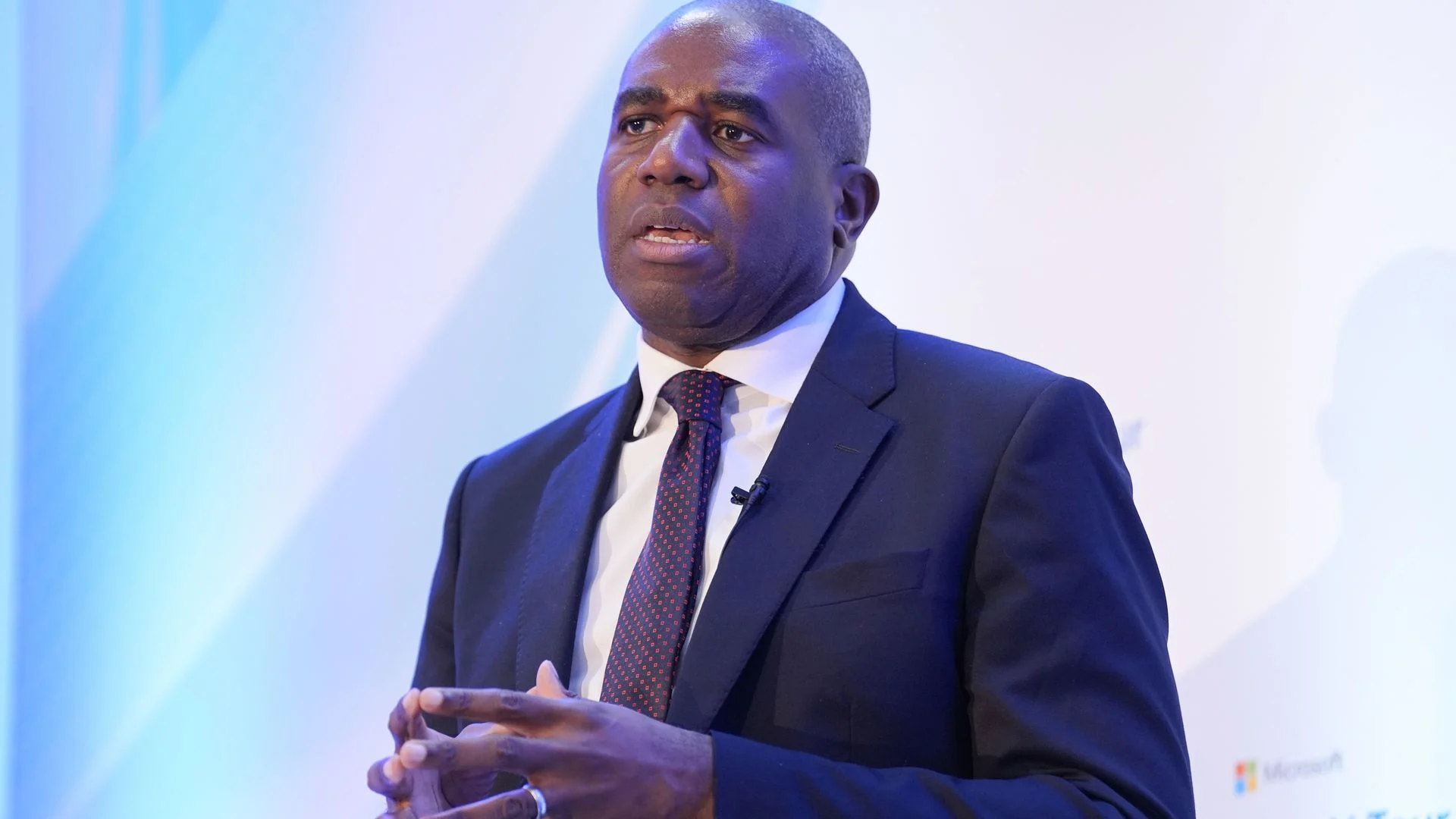
Justice Secretary David Lammy’s controversial Courts and Tribunals Bill, which proposes scrapping jury trials for all but the most serious cases, passed its second reading in the House of Commons despite a significant number of Labour abstentions. The vote saw a government majority of 101, but 93 Labour MPs abstained in the first vote and 100 in the second, signaling internal party unease.
Commons Vote Reveals Party Divisions and Rebellion
The bill survived two crucial votes: first, an amendment by Tory MP Kemi Badenoch to block the bill’s second reading was defeated 311 to 203, and minutes later the second reading was approved 304 to 203. While seven Labour left-wing MPs voted with the Conservatives against the bill, a much larger group of 86 Labour MPs abstained on the first vote, including MPs typically loyal to party leadership.
In the second vote, the opposition lobby gained three additional Labour MPs alongside the original seven rebels. Several senior Labour MPs, including select committee chairs such as Dame Emily Thornberry, Dame Meg Hillier, and Dame Chi Onwurah, also abstained, underscoring dissatisfaction within the party ranks.
Challenges Ahead for the Bill in Committee and Lords
Political analysts warn the bill faces defeats during the line-by-line committee stage, complicated by the House of Lords, where retired senior judges and barristers hold significant influence. Labour’s abstentions and rebellions suggest that without concessions, government whips may struggle to secure full party support as the bill progresses.
Notably, Angela Rayner voted with the government in both votes, offering limited reassurance to Prime Minister Sir Keir Starmer, who previously served as director of public prosecutions. Legal experts and some MPs continue to call for a reconsideration of jury trial reforms amid concerns about their impact on the justice system.
For more stories on this topic, visit our category page.