
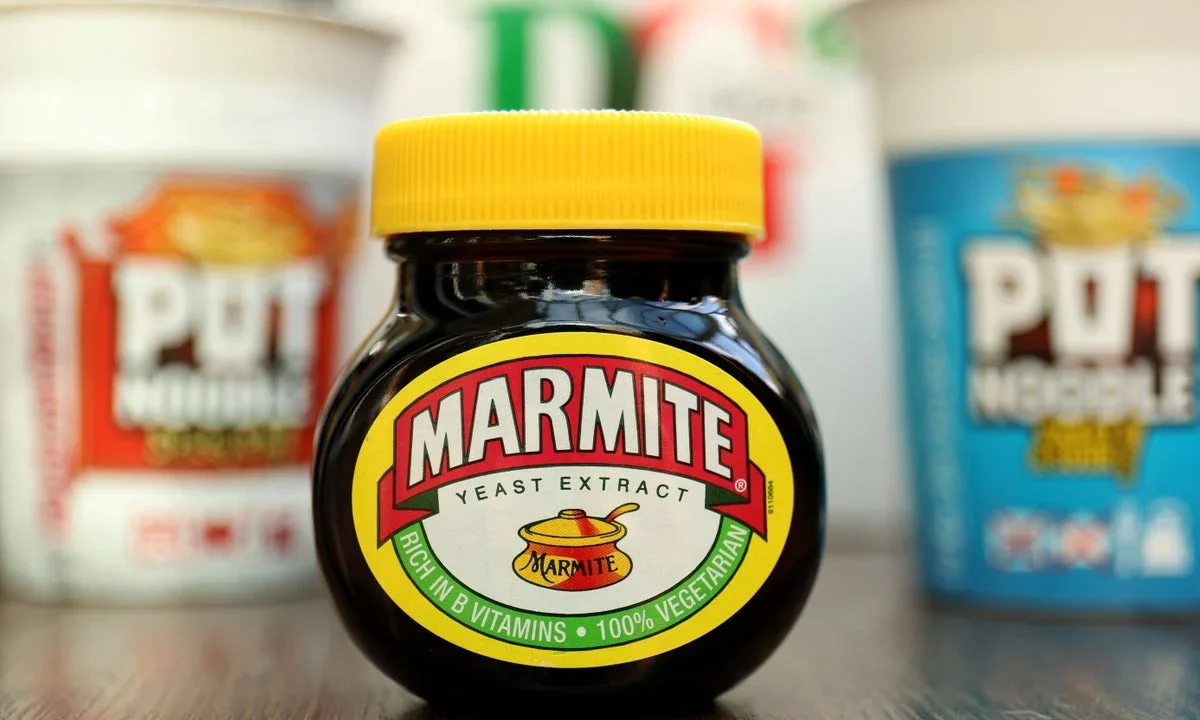
Unilever has agreed to merge its food business with US-based McCormick in a transaction valuing the combined food unit at approximately £33.8 billion ($44.8 billion). The deal will create a global food powerhouse by combining Unilever’s brands, such as Hellmann’s, Marmite, Knorr, and Colman’s mustard, with McCormick’s portfolio including French’s mustard and Schwarz spices.
Under the terms of the deal, Unilever will receive about $15.7 billion (£11.9 billion) in cash and equity in McCormick. Unilever and its shareholders will retain a 65% ownership stake in the merged food business, with Unilever shareholders holding 55.1% and Unilever itself maintaining a 9.9% stake. The transaction marks a significant step in Unilever’s strategy to focus on its beauty, personal care, and home care brands, including Dove, Radox, Vaseline, and Persil.
Fernando Fernandez, Unilever’s chief executive, described the move as “unlocking trapped value through a growth-led separation of foods,” emphasizing the opportunity to create a focused and high-quality business with strong growth potential by leveraging combined brand portfolios and expertise.
The companies expect to finalize the deal by mid-2027. They also estimate achieving around $600 million (£453 million) in annual cost savings through operational efficiencies resulting from the merger.
This transaction follows Unilever’s recent divestments and strategic refocusing. Last year, the company separated its ice cream division into the Magnum Ice Cream Company, which was publicly listed. It has also sold off food brands such as snack business Graze and plant-based brand The Vegetarian Butcher, while pursuing growth in personal care through acquisitions like Wild and Dr Squatch.
Amid ongoing global economic uncertainties, Unilever has also implemented a temporary freeze on recruitment, citing the need to manage costs during turbulent conditions including the conflict in the Middle East. A company spokesperson stated the firm remains agile and will adjust plans as needed.
Why it matters
The merger creates a major global food company combining iconic brands from Unilever and McCormick, potentially reshaping the food industry’s competitive landscape. It allows Unilever to concentrate on higher-growth personal care sectors while unlocking significant shareholder value through this separation. The expected cost savings and scale effects could enhance the combined business’s market position and profitability.
Background
Unilever has been streamlining its portfolio for several years, moving away from food brands to focus on beauty and personal care, which have demonstrated stronger sales growth. Past moves include the spin-off of its ice cream business and disposal of smaller food brands. This strategic reorientation reflects broader trends in consumer goods companies prioritizing higher-margin, fast-growing categories.
Read more Business stories on Goka World News.