
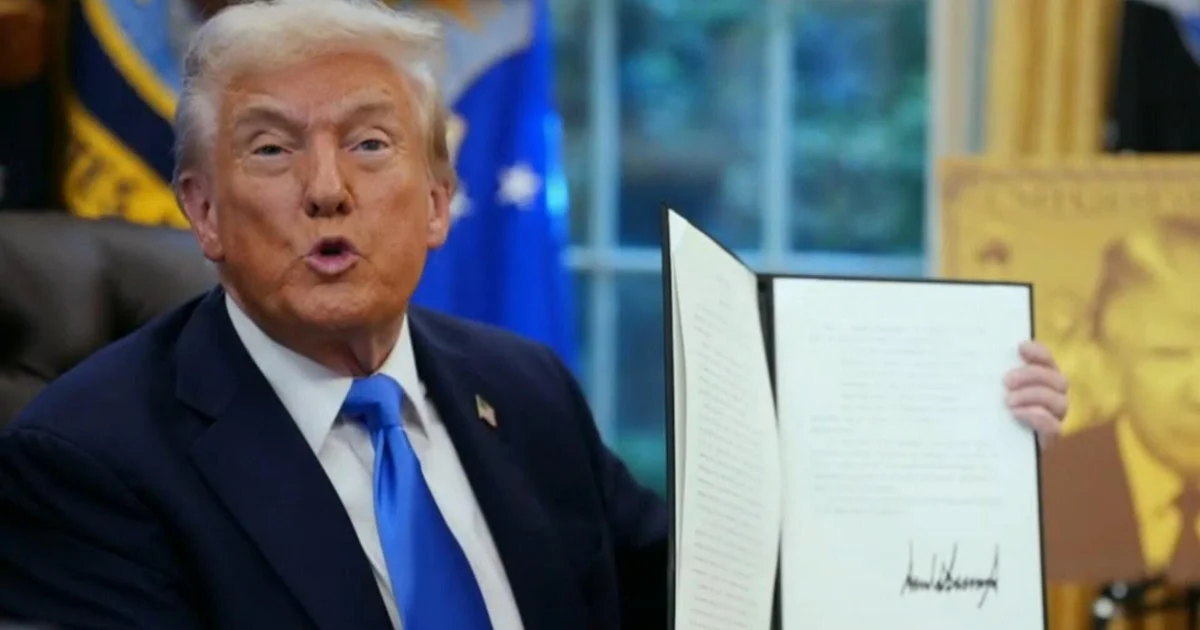
For decades, the United States has relied on H-1B visas to bring highly skilled technology workers from around the world to fill critical roles in the country’s tech industry. However, regulatory changes implemented by the Trump administration have significantly affected the awarding process of these visas, altering the flow of international talent into the U.S.
The H-1B visa program, designed to allow U.S. employers to hire foreign professionals in specialty occupations, has long been a vital component of the American tech workforce strategy. Traditionally, visas were allotted largely based on a lottery system designed to meet annual caps, facilitating access for a broad range of applicants.
During the Trump years, the U.S. Citizenship and Immigration Services (USCIS) introduced stricter adjudication standards, focusing on verifying the specialized nature of the jobs and the qualifications of applicants more rigorously. These changes included redefining criteria for what constitutes a specialty occupation and tightening documentation requirements, which collectively raised the bar for visa approvals.
The resulting policy shift has made it more difficult for some skilled foreign workers to obtain H-1B visas, disrupting established hiring practices for American technology companies. This has contributed to concerns within the industry about access to global expertise, as many advanced roles require talent not readily available in the domestic workforce.
Why it matters
The alteration of H-1B visa issuance impacts the competitive edge of U.S. technology firms by constraining their ability to recruit international talent. This has broader implications for innovation leadership and economic growth, especially in sectors heavily reliant on highly specialized skills. Additionally, these changes affect immigrants’ career prospects and personal aspirations to work in the United States.
Background
Established in 1990, the H-1B visa program has historically been a primary means for U.S. employers to fill shortages in specialized occupations including IT, engineering, and scientific research. Before the Trump administration’s policy implementation, the system largely aimed to expedite the admission process for qualified foreign workers while maintaining protections against displacement of U.S. labor.
Under subsequent administrations, there have been ongoing debates and adjustments to balance economic needs, workforce protections, and immigration enforcement. The Trump-era changes marked a notable shift towards increased scrutiny and restriction within the visa issuance system, setting a precedent that continues to influence immigration policy discussions.
Read more World News stories on Goka World News.