
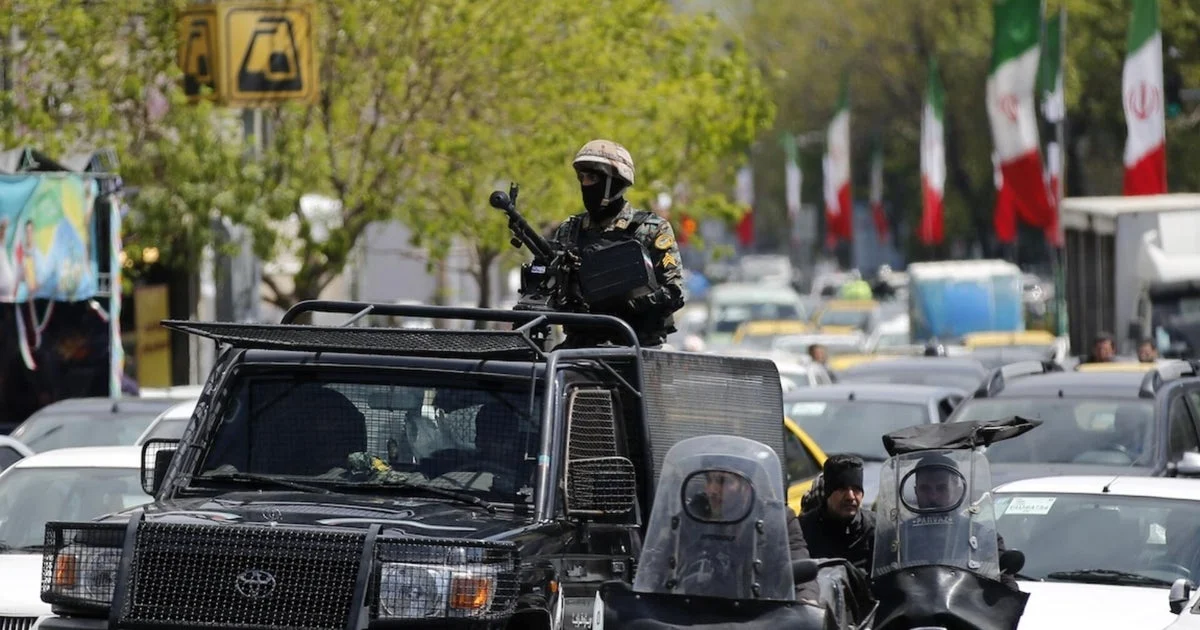
Following the announcement of a two-week ceasefire, many supporters of the Iranian regime inside the country are celebrating the pause in hostilities. However, reports indicate that there is notable skepticism among some Iranians regarding the ceasefire’s effectiveness and longevity.
The ceasefire marks a significant development in ongoing tensions involving Iran, prompting mixed reactions from within the country. Regime backers view the truce as a positive step toward de-escalation, but not all citizens share this optimism.
Some Iranians question whether the ceasefire will lead to lasting peace or merely serve as a temporary respite before conflict resumes. Concerns also exist about how the ceasefire will affect broader political and social issues within Iran.
Why it matters
The mixed public response highlights the complexity of the situation in Iran, where political factions and citizens have differing expectations of the ceasefire. Skepticism from some groups underscores the potential challenges in achieving sustained peace, which could impact regional stability and international diplomatic efforts.
Background
The two-week ceasefire follows a period of heightened conflict involving Iran and its international relations. Ceasefires in such contexts often aim to reduce immediate violence and create space for negotiations, though previous instances have experienced difficulties in maintaining long-term agreements.
Public opinion within Iran is divided, reflecting broader societal debates about the regime’s strategies and the country’s future direction amid external and internal pressures.
Read more World News stories on Goka World News.