
Iran has suspended tanker traffic through the Strait of Hormuz in response to ongoing Israeli attacks against Hezbollah in Lebanon, challenging a conditional ceasefire agreement with the United States announced days earlier. Iranian media, including the Fars news agency linked to the Islamic Revolutionary Guard Corps (IRGC), reported that tankers will no longer be allowed to pass through the crucial shipping route following Israeli military actions.
The ceasefire, brokered by Pakistan and announced by U.S. President Donald Trump on April 6, was intended to halt hostilities for two weeks and open a pathway to diplomacy over multiple conflicts involving Iran and its allies in the region. However, Iran’s Tasnim news agency cited a senior security official saying the country may withdraw from the ceasefire if Israel continues its attacks on Hezbollah in Lebanon.
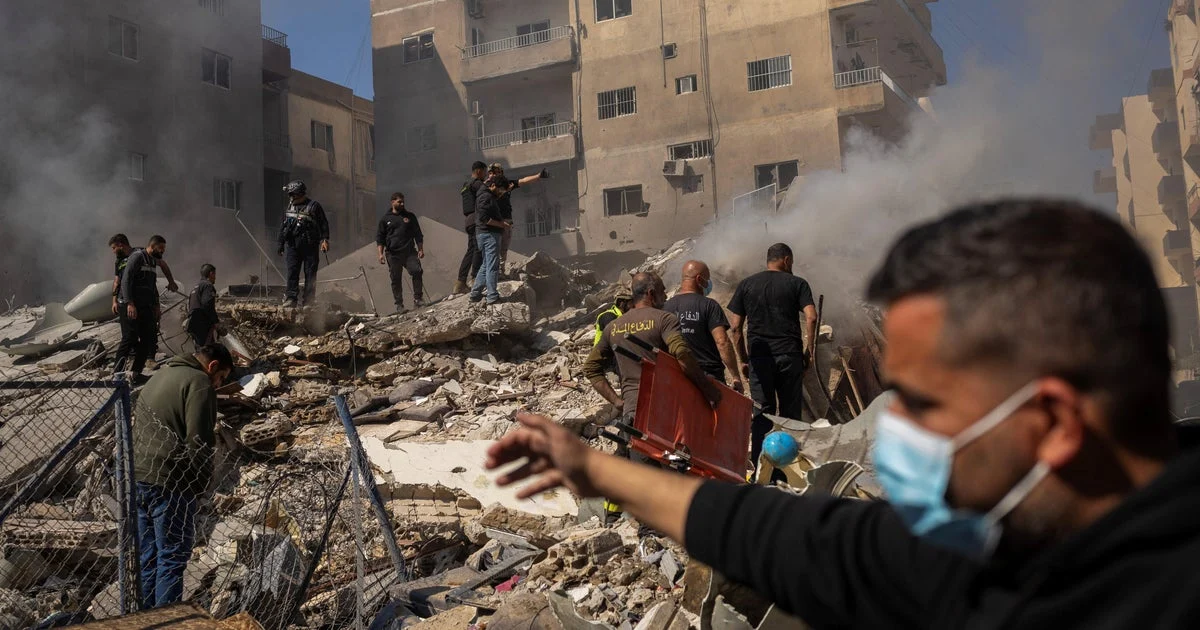
The Iran-U.S. ceasefire deal notably excludes the Israeli war against Hezbollah, with Israeli Prime Minister Benjamin Netanyahu and U.S. officials clarifying that the ceasefire does not cover ongoing operations in Lebanon. Israeli military activity against Hezbollah has escalated significantly since late February, with recent strikes causing substantial casualties and infrastructure damage in Beirut.
The disruption of tanker traffic through the Strait of Hormuz, a strategic chokepoint for global oil shipments, raises concerns about energy market stability. Although oil prices initially eased below $100 per barrel following the ceasefire announcement, the risk of renewed conflict has underscored the volatility in regional maritime security.
Meanwhile, diplomatic efforts continue, with Pakistani Prime Minister Shehbaz Sharif urging restraint and respect for the ceasefire to allow diplomacy to proceed. The United States has also issued security alerts for American citizens in Iraq amid increased militia attacks linked to Iran.
Why it matters
The Strait of Hormuz is a vital artery for global energy supply, with an estimated one-fifth of the world’s oil passing through it daily. Iran’s suspension of tanker traffic signals a serious escalation that could disrupt global oil markets and complicate international efforts to de-escalate conflicts involving Iran, Israel, and their regional proxies.
The fragile ceasefire’s potential collapse due to Israeli-Hezbollah hostilities threatens to renew full-scale warfare in Lebanon and destabilize the broader Middle East. The situation also intensifies congressional and international calls for diplomatic resolutions, as evidenced by U.S. Senate discussions on war powers and direct talks brokered by Pakistan.
Background
The current conflict stems from a wider confrontation between Israel and Iran-backed groups, including Hezbollah in Lebanon. Since late February, an intensification of Israeli military operations against Hezbollah has resulted in heavy casualties and displacement within Lebanon.
The two-week ceasefire agreement between the U.S. and Iran aimed to halt direct hostilities and create space for diplomacy but explicitly does not address Israel’s ongoing operations in Lebanon. Iranian officials’ threats to suspend participation and restrict maritime passage underline the fragile nature of the ceasefire and the complexity of regional proxy conflicts.
Read more World News stories on Goka World News.