
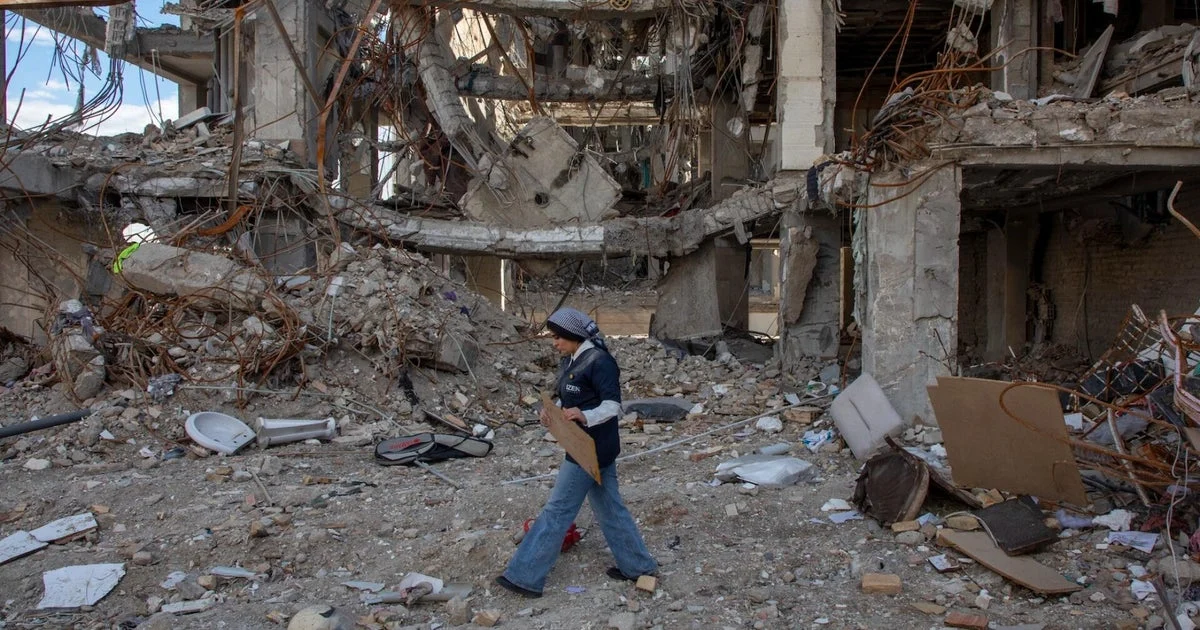
The United States and Iran have agreed to a temporary ceasefire in their ongoing conflict, marking the first de-escalation in recent hostilities. This development could lay the groundwork for broader peace negotiations, although the precise terms and durability of the ceasefire remain to be determined.
Implications for Future Peace Talks
The ceasefire signals a potential openness on both sides to explore diplomatic solutions. Observers suggest that this pause in active conflict may create space for dialogue aimed at a more comprehensive peace deal. However, several key issues must be addressed before formal negotiations can progress, including the scope of the ceasefire, verification mechanisms, and mutual concessions.
Steps Ahead
For the ceasefire to evolve into lasting peace, both parties will need to engage in sustained communication and confidence-building measures. This likely involves third-party mediation and establishing terms to prevent violations. Security experts emphasize that any durable resolution will require addressing underlying political and regional tensions that have fueled the conflict.
Why it matters
This temporary ceasefire represents a critical opportunity to reduce violence and prevent further humanitarian consequences in the region. It could also influence broader geopolitical dynamics, as tensions between Iran and the U.S. have affected global security and economic stability. Monitoring how this ceasefire unfolds will be essential to understanding the potential for a stable and peaceful resolution to the conflict.
Read more World News stories on Goka World News.