
The Biden administration’s highest-ranking official, Vice President J.D. Vance, returned to the United States on April 12 without a deal following 21 hours of direct negotiations with Iranian leaders in Islamabad, Pakistan. The talks, aimed at resolving the ongoing conflict and preventing Iran’s development of nuclear weapons, ended without an agreement, primarily over Iran’s refusal to commit to abandoning its nuclear weapons program.
President Donald Trump, responding to the breakdown, announced the U.S. Navy would establish a blockade of the strategically critical Strait of Hormuz, a vital global oil transit route. Trump warned that any Iranian attack on U.S. or neutral vessels in the strait would be met with overwhelming force.
Vice President Vance described the talks as definitive, stating the U.S. laid out clear red lines and has presented Iran with a final proposal that Iran declined. Iranian officials characterized the U.S. demands as excessive and cautioned that a single round of talks was unlikely to produce an immediate resolution. Pakistan, which facilitated the meeting, underscored the importance of maintaining the current cease-fire and indicated efforts to host further negotiations.
Key Issues in Negotiations
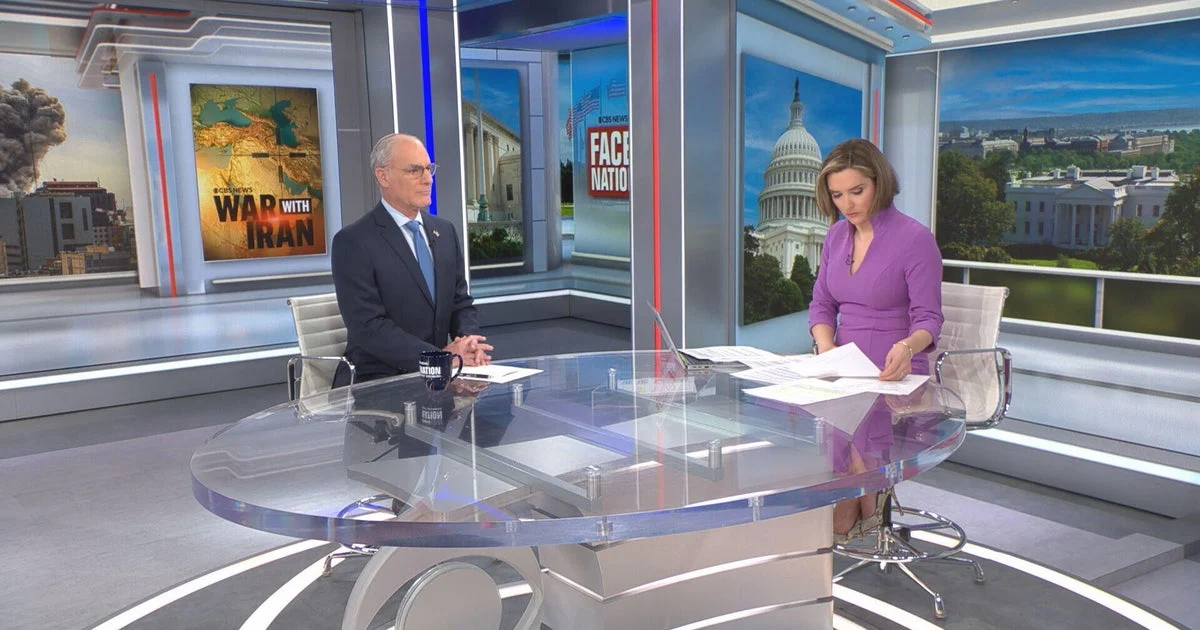
The central sticking point was Iran’s refusal to give an unequivocal commitment to never develop nuclear weapons. U.S. officials demand a complete cessation of Iran’s enrichment capabilities, while Iran maintains it requires a civilian nuclear program. The Israeli ambassador to the U.S., Michael Leiter, emphasized that civilian nuclear programs internationally typically do not include enrichment capabilities and expressed skepticism of Iran’s intentions. He cited Iran’s advanced underground nuclear facilities and ballistic missile developments as indicators of a persistent threat.
Ambassador Leiter also highlighted Iran’s escalating ballistic missile range, which now potentially reaches Europe and parts of the United States, and described Tehran’s continued proxy warfare as ongoing security concerns for Israel and its allies.
Context and Ongoing Conflict
The negotiations in Islamabad marked the first direct face-to-face high-level talks between the U.S. and Iran since the 1979 revolution. They followed a nearly six-week war that has triggered a fragile two-week cease-fire and caused a surge in global energy prices due to fears over the security of oil supplies through the Strait of Hormuz.
Despite the failure to reach a deal, Pakistani officials believe both sides remain willing to continue dialogue, though tensions remain high. The United States has signaled a readiness to escalate military pressure, while still leaving room for diplomacy within the cease-fire period.
Why it matters
The absence of a diplomatic resolution to Iran’s nuclear ambitions significantly raises the risk of renewed military conflict in a geopolitically volatile region. The U.S. naval blockade of the Strait of Hormuz threatens to disrupt vital global oil shipments and has intensified apprehensions about energy security worldwide. Top U.S. and allied intelligence assessments suggest Iran is advancing toward a nuclear weapons capability within the next decade, making the outcome of further negotiations critical for regional and international security.
Read more Politics stories on Goka World News.