
Iran’s parliament speaker, Mohammad Bagher Qalibaf, said Americans will soon be “nostalgic for $4-$5 gas” following U.S. actions that have heightened global oil price tensions. His remarks came shortly after President Donald Trump announced a blockade of the Strait of Hormuz, a critical maritime chokepoint for global oil shipments.
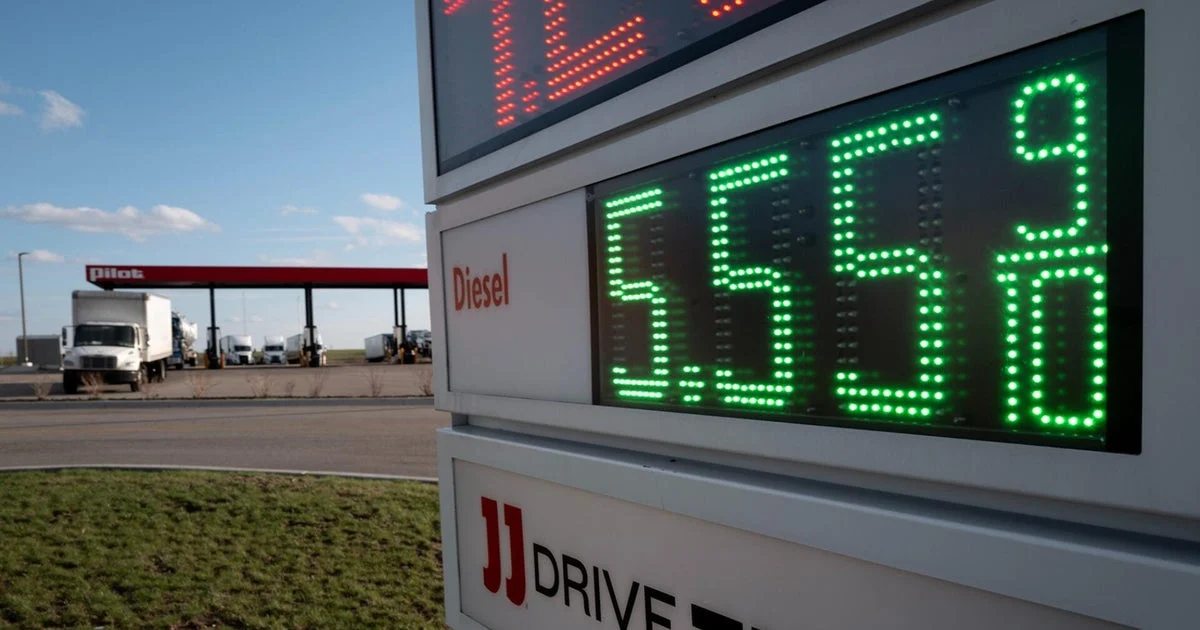
The announcement of the blockade, made on Sunday, contributed to rising oil prices worldwide, adding to inflationary pressures on fuel costs in the United States and beyond. The growing cost of gasoline is causing financial strain for consumers, with pump prices reaching historically high levels in several regions.
Rising Oil Prices and Inflation
The Strait of Hormuz, through which a significant portion of the world’s oil supply passes, has been a strategic point of tension in U.S.-Iran relations. Any disruption or threat of disruption at this vital route tends to elevate crude oil prices globally. As a result, inflation related to energy costs has intensified, directly impacting consumer prices at gas stations.
These developments have exacerbated economic concerns in the U.S., where higher fuel prices increase transportation and goods delivery costs, indirectly affecting various sectors of the economy. The prospect of sustained high oil prices underlines the vulnerability of global markets to geopolitical conflicts in oil-producing regions.
Political Tensions Affecting Energy Prices
Qalibaf’s statement reflects broader Iranian criticism of U.S. policies targeting Iran’s oil exports and regional influence. The blockade declaration was part of heightened tensions following sanctions and confrontations between the two nations. Tehran’s response underscores its warning of reciprocal consequences and the potential global impact of escalating disputes.
While the U.S. seeks to exert pressure on Iran, including limiting its oil revenues, Iran’s officials communicate confidence that such measures will backfire, leading to higher costs for American consumers. This dynamic highlights the interconnected nature of international diplomacy and economic conditions.
Why it matters
The risk of obstruction to oil shipments through the Strait of Hormuz poses a significant threat to global oil supply stability and price volatility. Any escalation in military or economic actions in this region can quickly translate into increased fuel prices, contributing to inflationary cycles that affect consumers worldwide.
Understanding these geopolitical influences is crucial for policymakers and markets as they navigate an environment marked by heightened tensions between major oil producers and consumers.
Read more World News stories on Goka World News.