
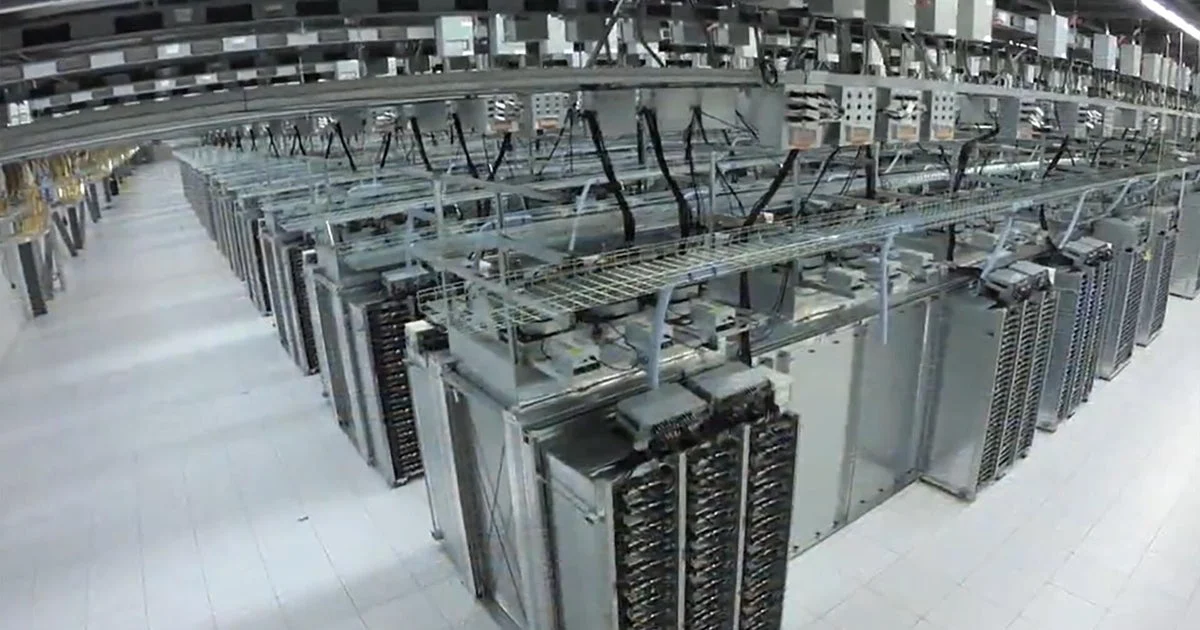
More than 4,000 artificial intelligence (AI) data centers are currently operating across the United States as tech companies rapidly expand infrastructure to support growing AI applications. This surge in AI data center construction has triggered opposition from some local communities worried about the potential environmental and economic consequences of hosting such large-scale facilities.
The increasing demand for AI computing power has driven companies to establish massive data centers that require significant energy consumption and water use, raising concerns among residents and local officials. Some communities fear that these facilities could strain local resources, increase carbon footprints, and result in higher utility costs.
Opponents of AI data centers argue that the environmental footprint of these sites is often overlooked in favor of advancing technological progress. Protests and public debates have surfaced in various regions, reflecting a growing tension between the appeal of economic development and the desire to preserve local environments and control expenses.
Proponents, including many in the tech industry, emphasize the importance of AI data centers in driving innovation, economic growth, and maintaining competitive advantages in the global technology market. They contend that data centers can create jobs and bring investments to local economies.
The national correspondent for the program “Sunday Morning,” Robert Costa, recently examined this nationwide trend and the emerging pushback communities are mounting against the rapid expansion of AI data centers.
Why it matters
The proliferation of AI data centers represents a critical infrastructure development that underpins advancements in artificial intelligence technology. However, the environmental and financial considerations raised by local opposition highlight the need to balance technological progress with sustainable practices and community well-being. Decisions made now about permitting, regulating, and managing AI data centers will influence energy policies, urban planning, and economic priorities for years to come.
Background
AI data centers are specialized facilities designed to house the hardware and cooling systems needed to run complex machine learning models and process large datasets. Their energy demands often exceed those of traditional data centers due to the intense computational power required. The boom in these facilities is driven by the rapid growth of AI-driven services across industries including healthcare, finance, and technology. This has led to a nationwide construction surge that has not gone unnoticed by communities where these centers are located.
Read more Climate & Environment stories on Goka World News.