
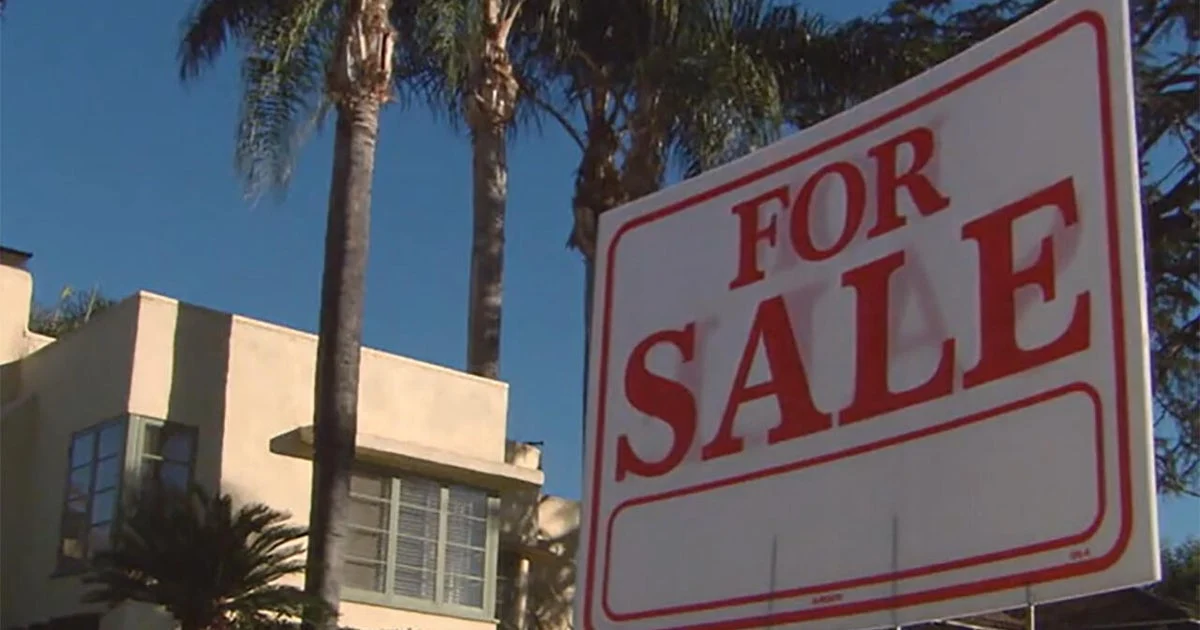
Millennials across the United States are increasingly unable to afford home ownership amid rapidly rising prices and limited housing supply. Jennie Rangel, a nurse in Chandler, Arizona, represents many in her generation struggling to move beyond renting despite steady incomes. She and her husband, K.C., who works at Intel, pay nearly $3,000 monthly for rent and other expenses but find home prices out of reach.
Home prices nationwide have surged nearly 50% since 2020, with the median price reaching $416,000. Danielle Hale, chief economist at realtor.com, explained that high mortgage rates and a shortage of about four million homes contribute heavily to the affordability crisis. “We haven’t had enough building over the last decade,” she said, noting that steady demand combined with limited supply pushes prices upward.
Income growth has not matched housing cost increases, with prices rising about 300% since 1990 while incomes have grown roughly half as much. According to a realtor.com survey, 75% of Americans still believe in the dream of home ownership, but many recognize it may require relocating to more affordable areas.
Topeka, Kansas, is emerging as one such option. The “Choose Topeka” program, funded by a county sales tax, offers relocation incentives up to $15,000 to attract new residents. Since its launch in 2020, over 200 families from 37 different states have moved to Topeka, with 90% remaining long term.
Allison and Jacob Reynolds, a couple originally from Topeka, moved back from California using the program’s $5,000 “boomerang” incentive for former residents. They purchased a four-bedroom home for $179,000 with a mortgage payment roughly $500 less per month than their previous California rent. The savings have allowed them to increase childcare spending, improving family support.
Realtor.com’s Hale highlighted the long-term benefit of earlier homeownership, noting that buying a home at age 30 rather than 40 can add about $100,000 in net worth by age 50. Meanwhile, individuals like Jennie Rangel continue to pursue homeownership in more expensive markets, setting personal goals to buy within a few years despite financial challenges.
Why it matters
The widening gap between home prices and incomes impedes wealth-building opportunities for Millennials, contributing to a growing class of “forever renters.” Housing affordability influences decisions on where people live, affecting economic and demographic trends across the country. Programs like Choose Topeka represent innovative local policy efforts to counteract housing shortages and high costs by incentivizing migration to more affordable regions.
Background
Home prices have been rising steadily for decades but accelerated significantly during and after the COVID-19 pandemic due to increased demand, low mortgage interest rates initially, and constrained homebuilding. The resulting market imbalance has intensified affordability issues, especially for first-time buyers. Efforts to increase housing supply have lagged behind, exacerbating price pressures.
Read more Business stories on Goka World News.