
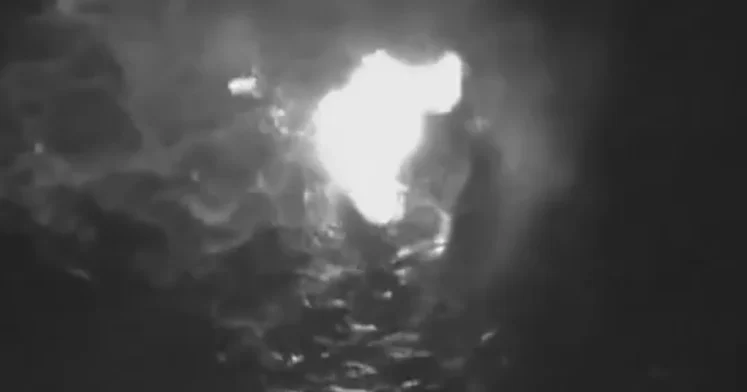
The U.S. military announced it conducted lethal strikes on two boats suspected of narcotics trafficking in the eastern Pacific Ocean on April 11, 2026, killing five people and finding one survivor. The attacks are part of an ongoing campaign targeting drug trafficking routes, which has resulted in at least 168 deaths since the operation began in September 2025.
According to U.S. Southern Command, two separate strikes targeted vessels “transiting along known narco-trafficking routes.” The command identified the casualties as male “narco-terrorists”—two killed and one survivor in the first strike, and three killed in the second. The military shared aerial footage of the attacks but did not provide evidence to support the drug trafficking allegations.
Following the strikes, the U.S. Coast Guard was notified and launched a search-and-rescue operation for the survivor, although updated information from the Coast Guard remains pending.
Previous Strikes and Controversies
The U.S. military campaign against alleged drug boats in the Caribbean Sea and eastern Pacific began last September under orders from U.S. Southern Command leadership. In multiple instances, some individuals survived strikes, prompting rescue efforts. Notably, a strike in October resulted in two survivors being recovered by a U.S. Navy helicopter and repatriated to Ecuador and Colombia.
The conduct of the strikes has drawn significant scrutiny. In the campaign’s first known strike on September 2, 2025, two survivors of the initial attack were reportedly killed during a follow-up strike. This incident prompted allegations of war crimes and raised questions among Democratic lawmakers, who criticized the follow-up attack after viewing the video evidence. However, the Department of Defense and some congressional Republicans have defended the strikes, arguing that the survivors could have resumed hostile actions.
The Trump administration has defended the strikes as necessary to combat drug trafficking organizations and has labeled the suspected smugglers “unlawful combatants,” describing the conflict with cartels as a “non-international armed conflict.” However, these claims have faced legal challenges. Earlier in 2026, families of two men killed in a U.S. missile strike in the Caribbean filed a lawsuit claiming the killings lacked legal justification.
Why it matters
The U.S. military’s operations against alleged narcotics traffickers at sea represent a controversial expansion of American counter-narcotics efforts into kinetic strikes, raising complex questions about the use of lethal force, international law, and efforts to confront drug cartels. The ongoing debate emphasizes the tension between national security priorities and legal accountability in U.S. military operations.
Read more US News stories on Goka World News.