
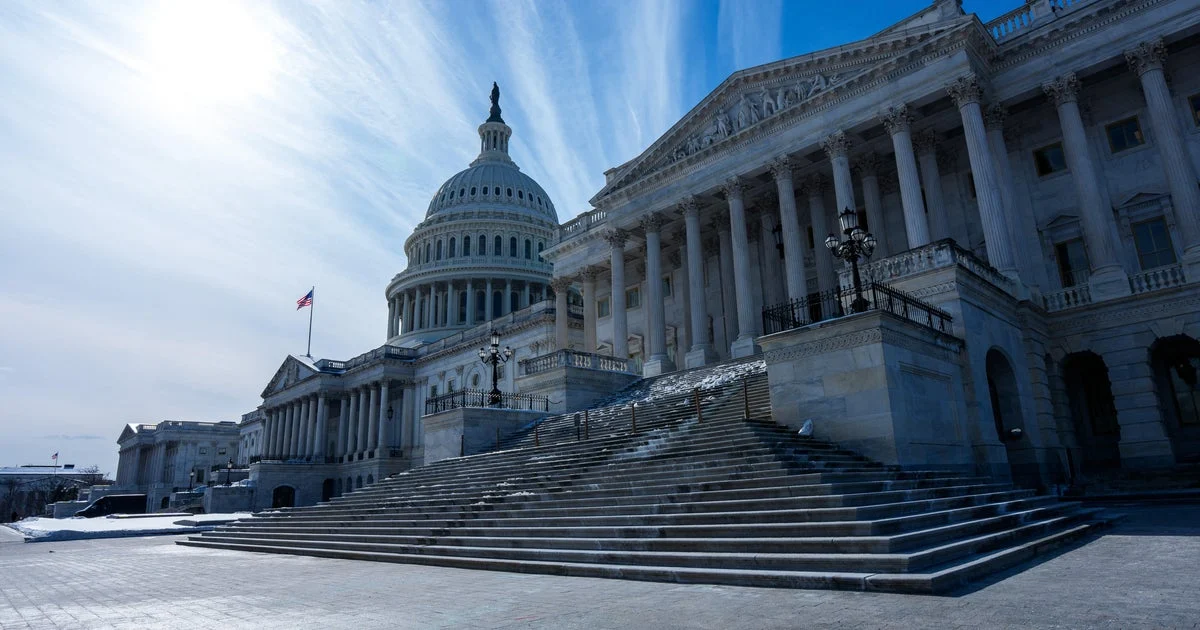
Eleven Senate Races to Decide Control of the U.S. Senate in 2026 Midterms
Eleven pivotal Senate races across the United States will shape control of the Senate after the 2026 midterm elections, with Democrats needing a net gain of four seats to win a majority. While Republicans currently hold a 53-seat majority and are defending more seats, key factors such as voter dissatisfaction with the war in Iran and ongoing affordability challenges have increased Democratic optimism.
Competitive Primaries and General Election Battlegrounds
Several closely watched races have emerged as potential turning points:
- Maine: Republican incumbent Sen. Susan Collins faces a tough reelection bid in a state that narrowly voted for Vice President Kamala Harris in 2024. The Democratic primary on June 9 features Governor Janet Mills, backed by party leaders, against progressive oyster farmer Graham Platner, who has gained support from Senators Bernie Sanders and Elizabeth Warren. The Cook Political Report currently rates this race as a toss-up.
- Michigan: Open after Sen. Gary Peters announced he will not seek reelection, the Democratic primary on August 4 includes Rep. Haley Stevens, state Sen. Mallory McMorrow, and former health official Abdul El-Sayed amidst debates on U.S.-Israel relations. Former Republican Rep. Mike Rogers is running again. Michigan is considered a toss-up due to the lack of an incumbent and recent state swings.
- Ohio: Former Senator Sherrod Brown is attempting a comeback for the seat held by GOP Sen. John Husted, who was appointed after Vice President JD Vance’s departure. Despite Ohio’s Republican lean, Brown lost by a narrow margin in 2024, and Cook changed this race to a toss-up in April. The Senate Leadership Fund has allocated $79 million in advertising reservations for this race.
- Alaska: GOP Sen. Dan Sullivan seeks reelection against former Rep. Mary Peltola, who was Alaska’s first Democrat in Congress in five decades. While Sullivan leads comfortably in previous elections and Cook rates the race as leaning Republican, Democrats hope midterm dynamics could improve Peltola’s chances.
- Georgia: Democratic Sen. Jon Ossoff, elected in a 2021 runoff, seeks reelection in a state Trump won in 2024. GOP’s primary battle between Reps. Mike Collins, Buddy Carter, and Derek Dooley remains unsettled with the primary on May 19. The Cook Political Report rates this race as leaning Democrat, improved from toss-up in April.
- New Hampshire: With Democratic Sen. Jeanne Shaheen retiring, Rep. Chris Pappas runs as her endorsed successor. The Republican primary includes former Senators John Sununu and Scott Brown. Despite Republican control of the governor’s office since 2017, Democrats have an edge here, according to Cook.
- North Carolina: Open seat after GOP Sen. Thom Tillis retires. Former Democratic Governor Roy Cooper is the frontrunner, facing Republican Michael Whatley, a former RNC chairman endorsed by former President Trump. Recent ratings have shifted towards Democrats.
- Iowa: After GOP Sen. Joni Ernst announced retirement, Rep. Ashley Hinson runs for Republicans while Democrats select between state Sen. Zach Wahls and state Rep. Josh Turek. The seat leans Republican but Democrats see opportunities due to agricultural tariff opposition and local political trends.
Why it matters
These races will determine which party controls the Senate for the final two years of the 2020s, impacting legislative priorities, judicial appointments, and oversight of the Biden administration’s policies, including foreign affairs and domestic economic issues. With the party of the sitting president historically losing seats in midterms, Republicans face pressure to defend a majority, while Democrats see potential openings due to public sentiment shifts.
Background
Control of the Senate was narrowly secured by Republicans following the 2024 elections, holding 53 seats. Democrats must achieve a net gain of four to regain the majority. High-profile retirements, competitive primaries, and evolving voter demographics contribute to unprecedented uncertainty in many races. National issues such as the conflict in Iran and economic challenges shape voter attitudes heading into the elections.
Read more Politics stories on Goka World News.