
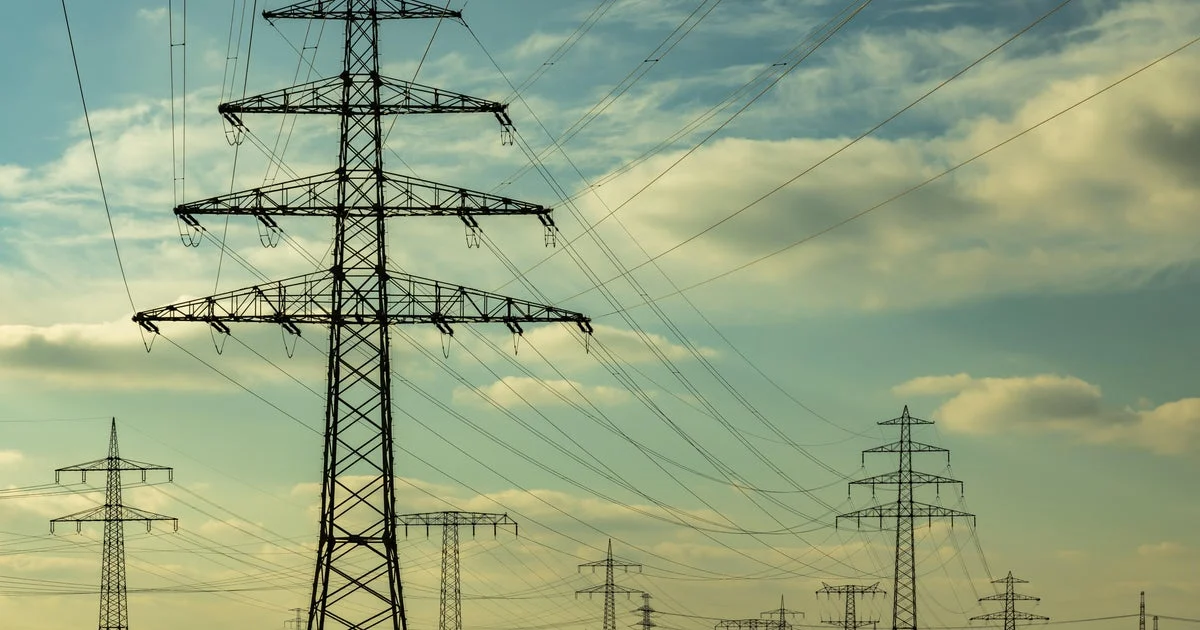
U.S. investor-owned utility companies are planning to invest $1.4 trillion over the next five years to upgrade the nation’s aging power grid, responding in part to a surge in electricity demand driven by the rapid expansion of data centers. This large-scale capital expenditure was detailed in a report released Tuesday by PowerLines, a nonpartisan nonprofit focused on consumer education.
The report analyzed spending plans from 51 investor-owned utilities that collectively serve around 250 million Americans. A majority of these companies identified data centers as a key catalyst for their planned investments, citing the growing power needs of tech companies expanding artificial intelligence (AI) computing capacity.
Data Center Expansion and Electricity Demand
Data centers have become significant electricity consumers in the U.S., accounting for more than 4% of the country’s total electricity use in 2023, according to the MIT Energy Initiative. This share could rise to approximately 9% by 2030 as AI-related computing facilities proliferate.
The rising demand from data centers is prompting utilities to strengthen the grid and replace aging infrastructure to support increasing loads and address vulnerabilities to severe weather.
Cost Impact on Consumers
The planned $1.4 trillion in utility spending represents more than a 20% increase over the companies’ 2025 forecasts. These capital expenditures require approval from state utility regulators, who review whether rate increases are justified.
PowerLines warns that higher utility spending could lead to increased electricity bills for consumers, as costs are often passed on through rate hikes. Already, an estimated 56 million Americans face higher utility bills due to rate increases approved for 2025, with residential electricity prices projected to rise by 5.1% this year, according to the U.S. Energy Information Administration.
If trends continue, residential customers could be responsible for roughly half of the planned utility capital spending costs, estimated at about $700 billion.
However, the report notes that rate hikes are not inevitable. The regulatory oversight process will be critical in managing how these costs are distributed. It also highlights that new large electricity consumers such as data centers might help reduce rates by increasing utility revenues and spreading fixed grid costs across a broader customer base.
Why it matters
This planned surge in utility investment occurs amid growing concerns about energy affordability as consumers already contend with rising energy costs. The expanded load from AI data centers accelerates the need for grid modernization but also increases the risk of higher bills without careful regulatory management.
State regulators will play a pivotal role in balancing grid reliability, the growth of energy-intensive technology, and the financial impact on households.
Read more Business stories on Goka World News.