
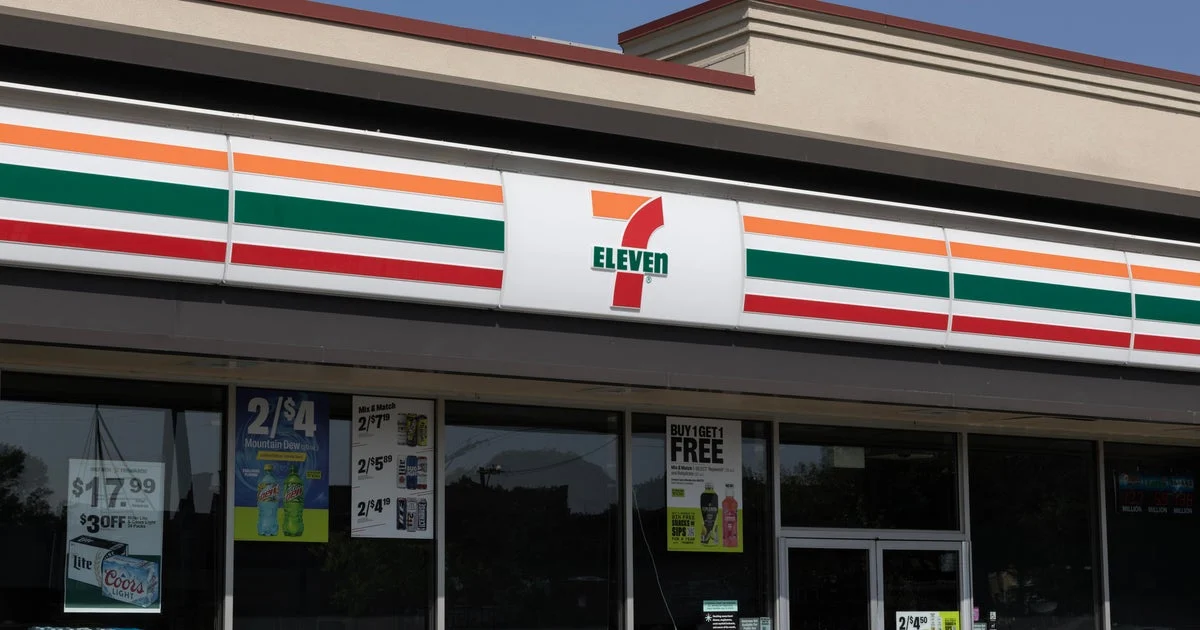
7-Eleven announced plans to close 645 stores in the United States during its fiscal year 2026, according to earnings filings from its Japan-based parent company, Seven & i Holdings Co. The closures are part of a strategic move that includes converting some locations to wholesale fuel stores, a format that has expanded steadily across North America.
Seven & i Holdings reported that as of December 2025, more than 900 wholesale fuel stores operated under the 7-Eleven brand in North America. While the company expects to open 205 new stores in the U.S. during the same period, this number will be exceeded by closures, leading to a net reduction in overall store count.
The chain’s North American operator, 7-Eleven Inc., which manages over 13,000 stores in the U.S. and Canada, has faced challenges including declining foot traffic, inflationary pressures, and slowing sales, factors cited in previous rounds of store closures described as targeting “underperforming” locations.
Why it matters
These closures coincide with a difficult consumer environment marked by persistent inflation and elevated energy costs, exacerbated by geopolitical tensions such as the ongoing war involving the U.S., Israel, and Iran. Rising gasoline prices have directly impacted consumer spending behavior, particularly in sectors reliant on discretionary purchases.
Background
Globally, 7-Eleven operates more than 86,000 stores across 19 countries. While North America sees a contraction in store numbers, Seven & i subsidiaries outside the region are pursuing growth; for instance, Seven-Eleven Japan plans to open 550 new stores despite closing 350. The parent company forecasts a 9.4% revenue decline for the current fiscal year, anticipating total revenue of about 9.45 trillion yen (approximately $59.5 billion).
In response to changing market conditions, Seven & i has initiated a multi-year transformation strategy focused on enhancing convenience store offerings by increasing fresh food selections and expanding its delivery service, 7NOW. This strategic pivot aligns with leadership changes after Stephen Hayes Dacus assumed the CEO role last spring.
Read more Business stories on Goka World News.