
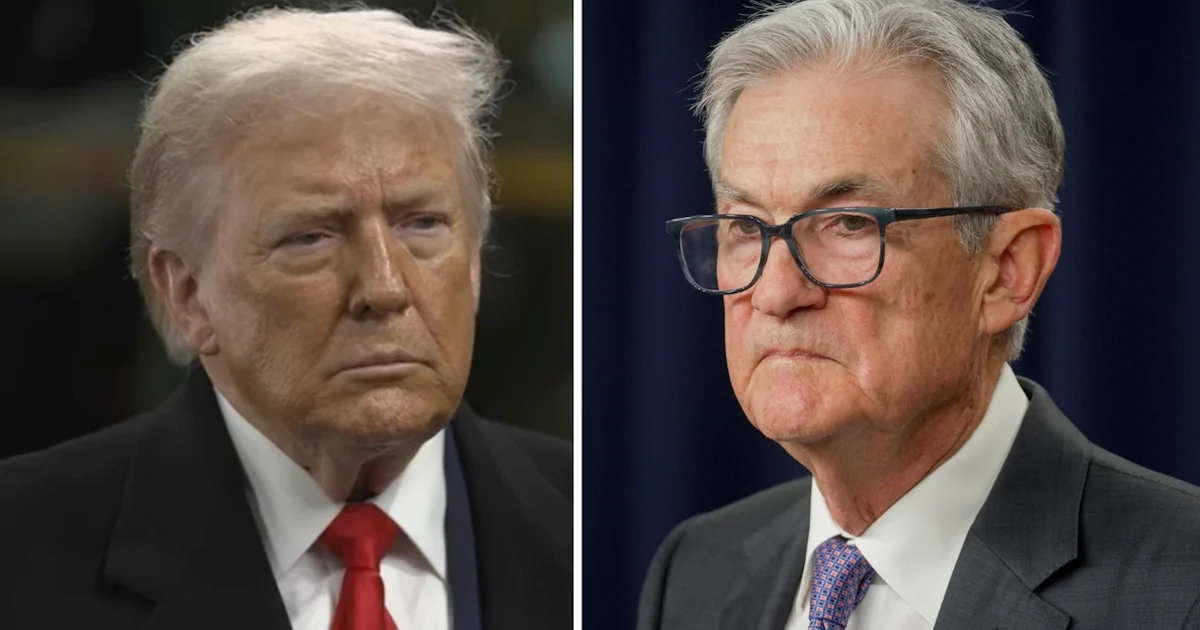
Federal Reserve Chair Jerome Powell’s term as head of the central bank ends on May 15, 2026, amid President Donald Trump’s repeated threats to remove him. However, legal constraints and procedural factors suggest that Powell will decide when he leaves, not the president.
Trump’s Threats to Fire Powell
President Trump told Fox Business on April 15, 2026, that he would fire Powell if the Fed chair refused to step down when his term expired, especially given an ongoing Justice Department criminal probe into Federal Reserve building renovations. Trump claimed the investigation was intended to pressure Powell to support lower interest rates or resign, accusations Powell has denied.
Trump has expressed dissatisfaction with the Federal Reserve’s pace of interest rate cuts. Despite multiple threats, experts say firing Powell before his term ends would be legally problematic.
Legal Protections for Powell and Fed Governors
Dan Urman, law and public policy expert at Northeastern University, explained that the Federal Reserve Board of Governors can only be fired “for cause,” such as serious misconduct, under the Federal Reserve Act of 1913. Powell has not committed any such offense, making a presidential firing legally dubious.
Fed governors serve 14-year terms, while the chair serves a separate 4-year term. Powell’s chairmanship ends on May 15, but his term as a governor continues until January 2028. This means Powell could remain on the Fed’s board even after stepping down as chair.
Confirmation Delays Complicate Transition
The expected successor, former Fed official Kevin Warsh, has faced slow confirmation progress. Republican Senator Thom Tillis has blocked votes pending the DOJ’s investigation into Fed renovations, further complicating a leadership transition.
Without Warsh’s confirmation, Powell has said he will serve as “chair pro tem” until a new chair is approved. Attempts by the White House to install another acting chair, such as Fed governor Stephen Miran, may face legal challenges.
Ongoing Supreme Court Cases and Potential Implications
The Supreme Court is reviewing cases on presidential authority to remove leaders of independent agencies, including Federal Reserve Board member Lisa Cook, whom Trump unsuccessfully tried to fire over allegations she denies. The Court’s rulings, expected by late June, could clarify the limits of presidential firing powers concerning Fed officials.
Any attempt to remove Powell before the Court’s decision or before his term expires would likely face legal challenges and be deemed unlawful by experts.
Why it matters
Attempts to unilaterally remove a Federal Reserve chair risk undermining the Fed’s independence, which is critical for maintaining market stability and credible monetary policy. Investors and economists have warned that such moves could trigger negative market reactions.
With the Fed’s leadership transition uncertain due to political and legal complexities, the outcome will have significant implications for U.S. economic policy and political norms surrounding independent federal agencies.
Read more Politics stories on Goka World News.