
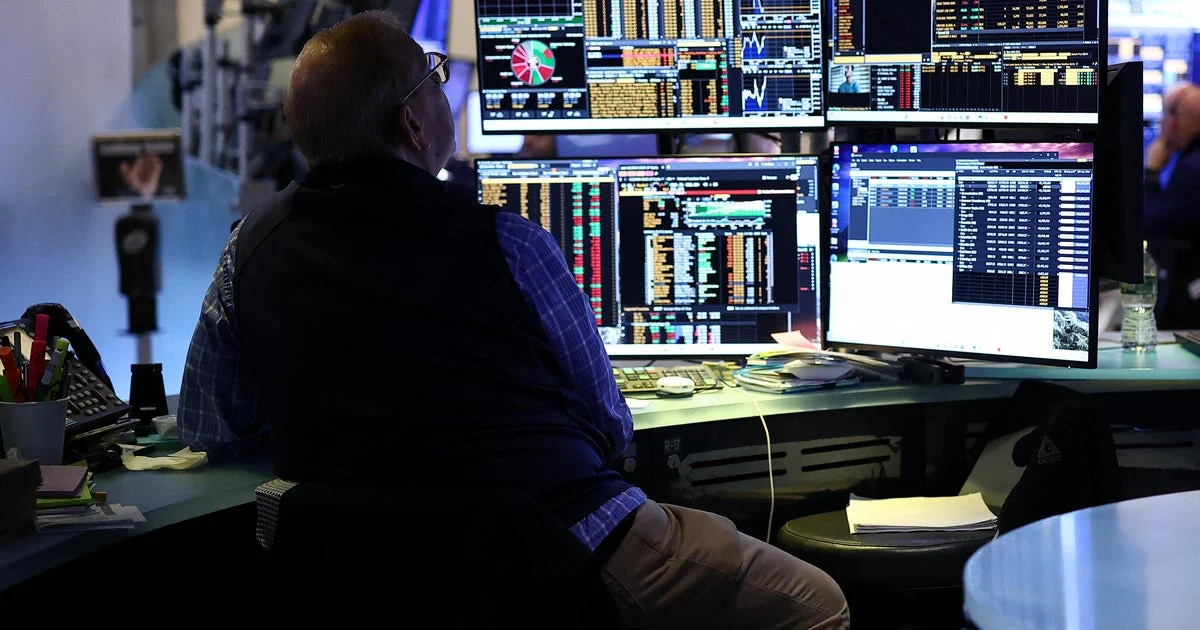
The S&P 500 and Nasdaq Composite indexes surged to record levels on Wednesday, with investors appearing to overlook ongoing tensions stemming from the Iran conflict and rising inflation pressures. The S&P 500 closed at 7,023, up 56 points or 0.8%, surpassing its previous peak of 6,979 set in January. The Nasdaq jumped 377 points, or 1.6%, closing at 24,016, exceeding its former high of 23,958 from October 2025.
Mark Hackett, chief market strategist at Nationwide, noted that the Nasdaq’s 11 consecutive days of gains mark its longest winning streak since 2021. Meanwhile, the Dow Jones Industrial Average declined modestly by 72 points, or 0.2%.
Investor Sentiment on Iran Conflict
Despite the recent U.S. blockade of Iranian ports and the broader geopolitical risks associated with the conflict, Wall Street remains largely optimistic that the situation will de-escalate soon. Adam Crisafulli, head of Vital Knowledge, described it as a growing consensus that the economic impact of the hostilities will be brief. President Donald Trump, in a Fox News interview, stated that the fighting is “very close to over.”
Scott Wren, senior global market strategist at Wells Fargo Investment Institute, expects the conflict to persist for weeks but not extend to months. Investors anticipate a reopening of the Strait of Hormuz, a key transit point for global oil and commodities, which would ease supply-chain concerns.
Strong Corporate Earnings Support Market Gains
Healthy corporate earnings have also helped maintain bullish market sentiment. Bank of America reported first-quarter profits of $8.6 billion, a 17% increase year-over-year. Morgan Stanley also delivered results exceeding expectations.
Crisafulli highlighted resilience in economic activity from both consumer and corporate sectors, citing statements from major financial institutions including Wells Fargo and JPMorgan. Upcoming earnings reports from major technology firms such as Alphabet, Amazon, Apple, and Microsoft are expected to further influence market momentum.
Wren emphasized positive fundamentals beyond earnings, pointing to substantial corporate investment in artificial intelligence, larger tax refunds, and low unemployment as reasons for continued optimism. He projected the S&P 500 could climb to between 7,400 and 7,600 by the end of the year.
Why it matters
The ability of U.S. equity markets to reach new highs amid geopolitical unrest and inflation concerns indicates strong investor confidence and market resilience. This sentiment influences capital allocation decisions and can affect broader economic outlooks, especially as major companies prepare to report earnings in the critical technology sector.
Background
The Iran conflict has pressured global markets by threatening oil supply routes and driving up energy prices, contributing to the highest inflation levels in nearly two years. In late March, the Dow entered correction territory following several weeks of losses, but recent developments have reversed that trend as investors adjust expectations based on evolving diplomatic and economic signals.
Read more Business stories on Goka World News.