
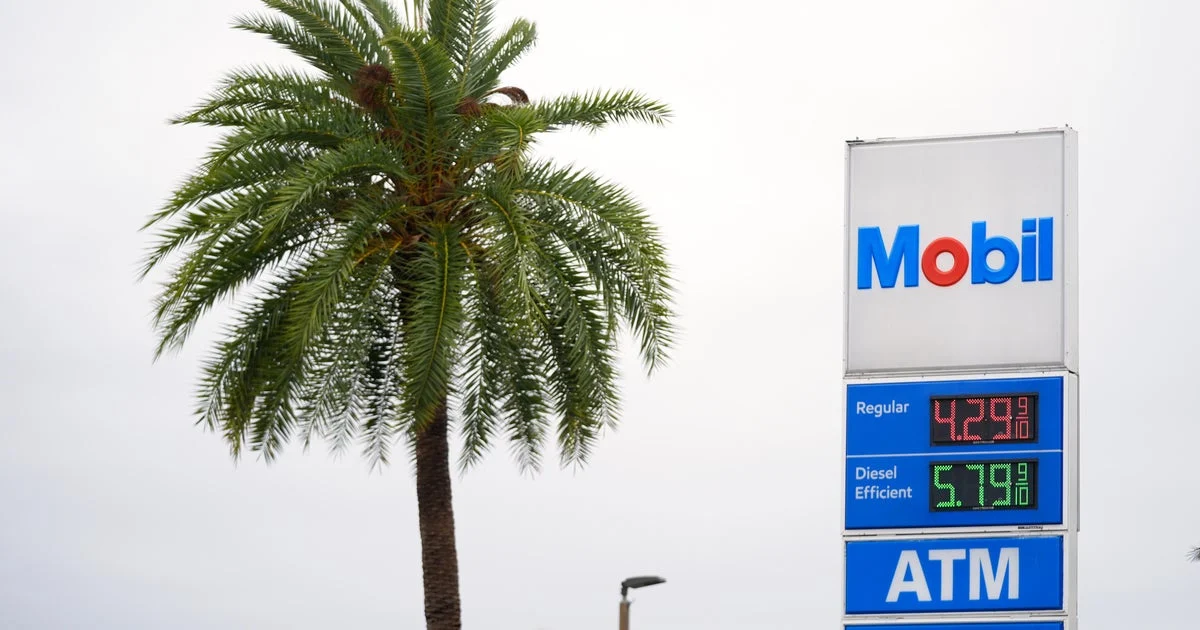
Despite rising fuel prices linked to the ongoing conflict with Iran, most U.S. states have resisted suspending gas taxes, citing concerns over lost revenue needed for road and bridge maintenance. Only a few states, including Georgia, Indiana, and Utah, have temporarily reduced or suspended their fuel taxes since the conflict began in early 2026.
Georgia was the first to act, enacting a 60-day suspension on its 33-cent-per-gallon gas tax and 37-cent diesel tax in March. Indiana followed with a 30-day suspension of its 7% gasoline sales tax, and Utah reduced its gas tax by 6 cents per gallon for the remainder of the year. However, the federal government has not moved to suspend its fuel taxes of 18.4 cents per gallon for gasoline and 24.3 cents for diesel, which would require congressional legislation.
Economic and Policy Challenges of Suspending Gas Taxes
Tax policy experts argue that suspending gas taxes is an imperfect solution for lowering prices at the pump. Carl Davis, research director at the Institute on Taxation and Economic Policy, described such suspensions as an “expensive gimmick” that does not effectively deliver relief to working- and middle-class drivers. According to a 2022 Penn Wharton study cited by Davis, only around 62% to 72% of state gas tax cuts are passed on to consumers, with the remainder retained by fuel wholesalers or distributors.
Adam Hoffer, director of excise tax policy at the Tax Foundation, highlighted that gas taxes function primarily as “user fees” that fund transportation infrastructure. Suspending these taxes risks delaying crucial road repair and maintenance projects, potentially leading to more potholes and higher vehicle repair costs for drivers. States like Georgia could lose close to $400 million in revenue due to temporary suspensions, which would disproportionately impact public road upkeep budgets.
Many states already rely on diverse revenue streams to fund transportation, and cutting fuel tax revenue could force reallocations from other critical services, including education. Additionally, a gas tax suspension reduces funds collected from out-of-state drivers, which further complicates budget planning for states monitoring tight finances.
Long-Term Impact of Elevated Fuel Prices
The U.S. Energy Information Administration (EIA) now projects that gas prices will remain elevated through 2027, averaging $3.46 per gallon, up from a January forecast of $2.95 before the Iran conflict began. Maryland Governor Wes Moore underscored that the underlying cause of high prices is geopolitical uncertainty, not tax policy, and expressed skepticism that tax suspensions would meaningfully lower prices.
Past political efforts to suspend gas taxes at the federal level have faced opposition, with concerns about timing and the eventual reinstatement of taxes potentially burdening drivers amid peak travel seasons. The federal Highway Trust Fund, reliant on fuel tax revenues, is also gradually becoming underfunded, suggesting that suspending these taxes now could worsen infrastructure funding gaps.
Why it matters
Gas and diesel taxes directly finance the maintenance and expansion of critical transportation infrastructure. Suspending these taxes may provide limited, short-term relief to drivers at the pump but risks undermining the financial resources necessary to keep roads and bridges safe and functional. As fuel prices remain high due to international conflict, states face difficult choices balancing immediate consumer relief with long-term infrastructure sustainability.
Background
Fuel prices surged in early 2026 following hostilities involving Iran, driving the average U.S. gas price to $4.11 per gallon. Motor fuel taxes, averaging about 32.6 cents per gallon at the state level, contribute significantly to funding transportation projects. While some states have responded with temporary tax relief, the majority remain cautious, reflecting concerns about the overall effectiveness of such measures and the potential budgetary consequences.
Read more US News stories on Goka World News.