
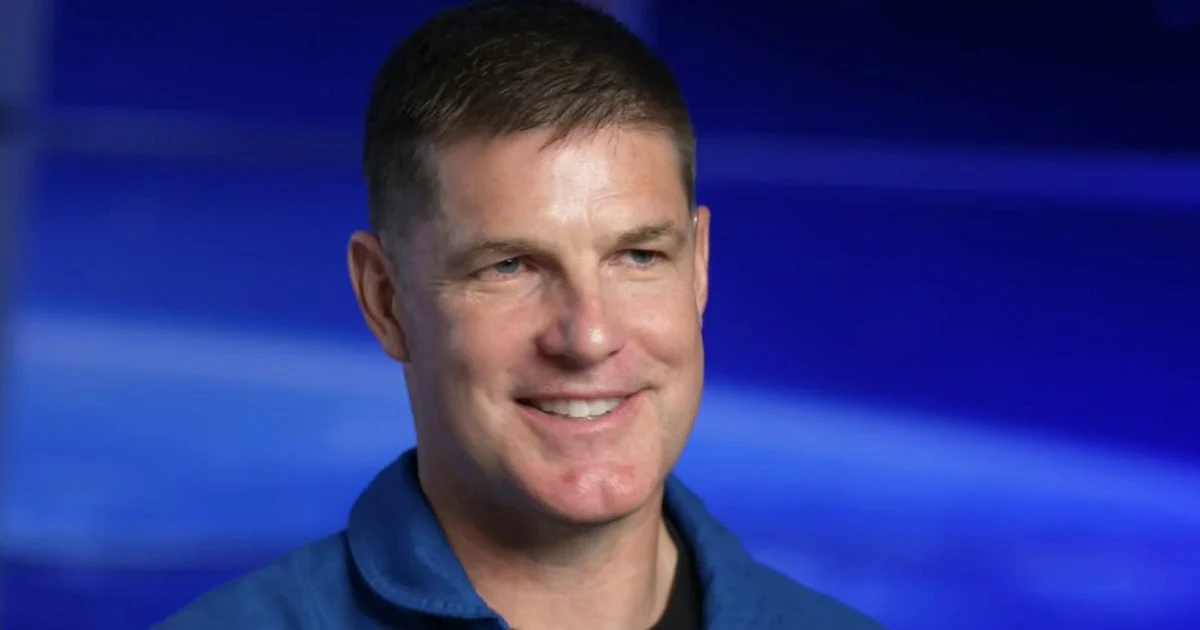
An astronaut from NASA’s Artemis II mission described a remarkable observation made while orbiting the far side of the moon. This account comes from one of the crew’s first interviews following their return from the historic flight, which marked a new chapter in lunar exploration.
The Artemis II mission carried astronauts around the moon, including the far side that remains hidden from Earth. According to the astronaut, the experience provided a perspective unlike any prior human spaceflight, revealing details of the lunar surface not previously seen in person.
While specific details of the “most unique thing” were not fully disclosed in the initial interview, the comment underscores the mission’s significance in expanding understanding of the moon’s geography and environment. Orbiting the far side allows for scientific observations and assessments of lunar conditions that are impossible from Earth or lunar orbit predominantly over the near side.
Why it matters
The Artemis II mission is a crucial step in NASA’s broader Artemis program, which aims to establish sustainable lunar exploration and prepare for future human missions to Mars. Insights gained from orbiting the moon’s far side will guide the design of next phase missions, including Artemis III, which intends to land astronauts on the lunar surface.
The mission also demonstrates the viability of crewed flights beyond low Earth orbit since Apollo, representing a new era of human space exploration and international collaboration on deep space endeavors.
Background
Artemis II followed Artemis I, an uncrewed test flight around the moon, validating spacecraft systems critical for crew safety. The crewed Artemis II mission tested life support, navigation, and communication systems with astronauts onboard, paving the way for surface landings planned in subsequent missions.
NASA’s Artemis program is part of a renewed global interest in returning to the moon. It includes partnerships with commercial and international space agencies to develop infrastructure, conduct science, and eventually support long-term human presence on the lunar surface.
Read more Space & NASA stories on Goka World News.