
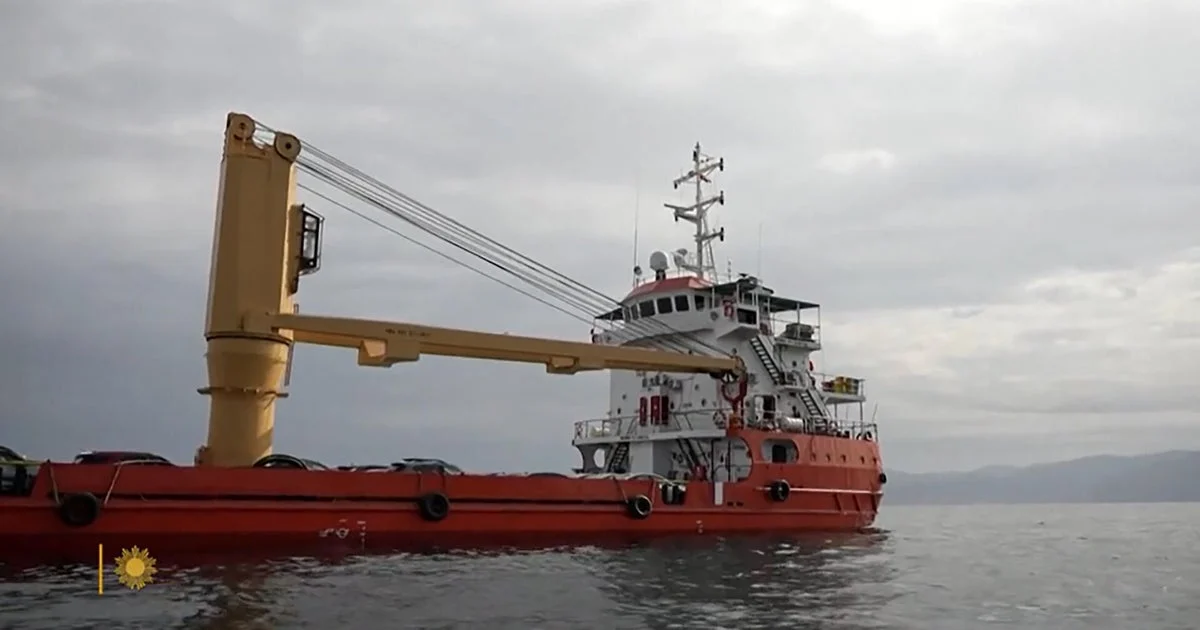
Iran has closed the Strait of Hormuz, the strategic waterway through which a significant portion of the world’s oil supply transits, just one day after briefly reopening it. The Iranian navy announced the closure will remain in effect until the United States lifts what Tehran calls a blockade, intensifying tensions in the region and posing a major obstacle to ongoing peace negotiations.
Strait Closure and Regional Impact
The Strait of Hormuz links the Persian Gulf to the Gulf of Oman and the Arabian Sea, making it a critical chokepoint for global energy shipments. Iran’s decision to shut the strait comes amid increasing confrontations with the United States in the Gulf and wider geopolitical disputes. Tehran’s claim that the closure is a response to a U.S. blockade underscores the escalating rivalry between the two nations.
This development threatens to disrupt international shipping and global oil markets, as a large share of crude oil exports from the Persian Gulf nations pass through the strait daily. The shutdown adds uncertainty to global energy supplies and heightens the risk of military confrontations in one of the world’s most volatile regions.
Diplomatic Consequences and Peace Talks
The closure poses a significant challenge to ongoing diplomatic efforts aimed at reducing tensions in the Middle East. Iran’s insistence that the strait will remain closed until the U.S. lifts its blockade presents a direct hurdle for continuing peace talks, complicating efforts to resolve longstanding conflicts involving Iran, the United States, and their respective allies.
Meanwhile, some neighboring regions have seen brief moments of calm, such as the temporary truce between Israel and Lebanon, but the situation in the Strait of Hormuz signals persistent instability in the Gulf.
Why it matters
The Strait of Hormuz is a critical artery for global energy transit, with about 20% of the world’s oil passing through its narrow waters. Closure or disruption of the strait can cause immediate spikes in oil prices and impact global markets. Moreover, the move escalates geopolitical risks in a region already marked by hostility between Iran and the U.S., increasing the potential for military clashes and complicating diplomatic efforts to de-escalate tensions.
Read more World News stories on Goka World News.