
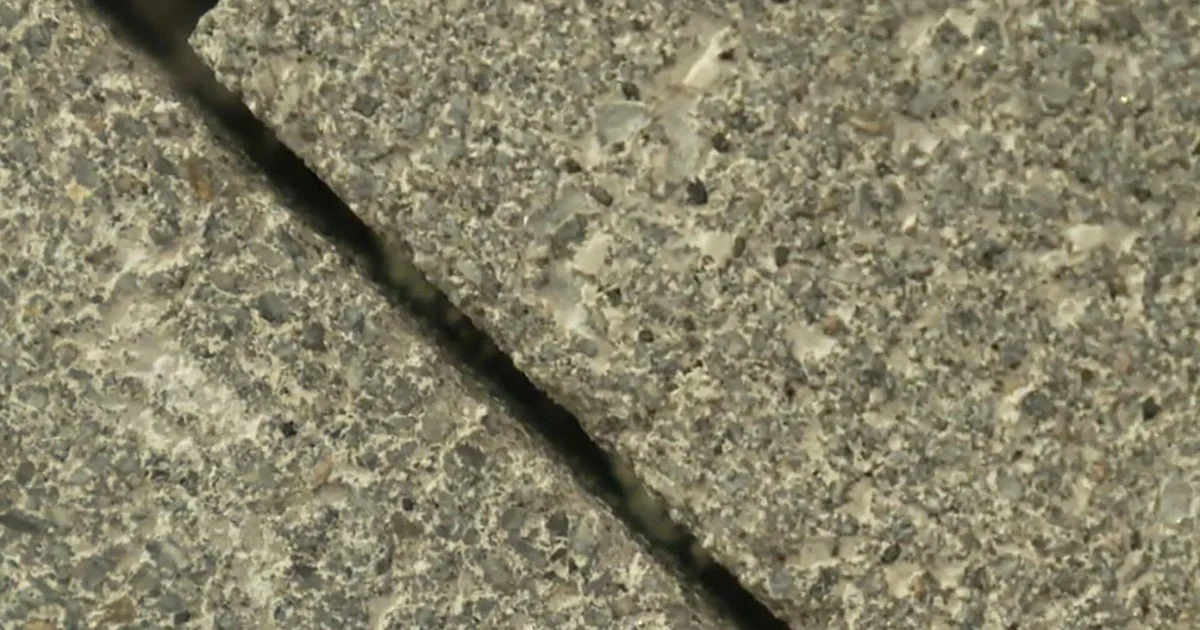
The manufacturing of conventional concrete generates about 30 billion tons annually, producing more carbon dioxide emissions exceeding those from all global shipping and aviation combined. Addressing this environmental challenge, Biomason, a biotechnology company with operations in North Carolina and Denmark, has developed an innovative “biocement” created through naturally occurring microbes.
Biomason’s biocement matches the structural strength of traditional concrete while significantly lowering its carbon footprint. Unlike conventional processes that rely heavily on energy-intensive heating of limestone, the biocement uses microbial-induced mineralization to bind materials, which greatly reduces CO2 emissions during production.
This advancement presents a promising alternative for the construction industry, which is seeking more sustainable materials to mitigate climate change impacts associated with the massive carbon output of cement production.
Why it matters
Cement production is one of the largest industrial sources of carbon emissions worldwide. Developing viable, lower-carbon alternatives like biocement is crucial for achieving global climate goals and reducing the environmental footprint of building infrastructure. Biomason’s technology addresses a significant portion of industrial emissions by offering a scalable and eco-friendly cement production method.
Background
Concrete is the most widely used man-made material, essential for buildings, roads, and infrastructure. However, its production involves heating limestone to extremely high temperatures, releasing large quantities of CO2. Efforts to reduce these emissions have included seeking alternative binders, improving efficiency, and carbon capture technologies. Biomason’s approach uses biotechnology to harness microbes to form solid materials naturally, representing a novel pathway in sustainable construction materials development.
Read more Climate & Environment stories on Goka World News.