
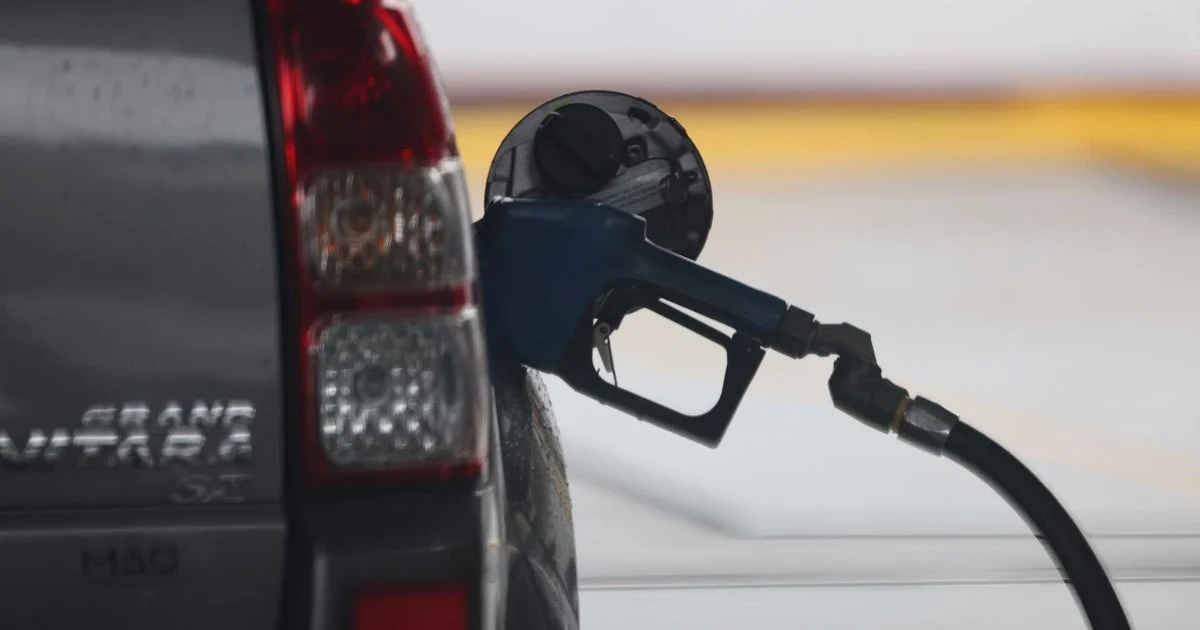
Gasoline prices across the United States have decreased, now averaging just over $4 per gallon nationwide. This development comes amid heightened geopolitical tensions between the U.S. and Iran, which have raised concerns about potential disruptions to global oil supplies.
President Donald Trump recently accused Iran of attempting to pressure the U.S. through strategic maneuvers in the Strait of Hormuz, a critical maritime chokepoint for global oil transport. Despite these rising tensions, the immediate impact on fuel costs at American pump stations has offered some relief to consumers.
White House correspondent Olivia Rinaldi reported on the broader effects of the conflict on U.S. domestic concerns, noting that while geopolitical instability often drives up energy prices, the current dip provides temporary reprieve for motorists.
Why it matters
Gas prices directly affect household expenditures, with fluctuations impacting inflation and consumer spending. The recent decrease provides financial respite for Americans amid ongoing uncertainty over Iran’s actions in the Persian Gulf, which could affect oil supply routes. Monitoring these price trends is important as further tensions could reverse this relief and lead to higher costs.
Background
The Strait of Hormuz is a strategic passage through which approximately 20% of the world’s oil shipments transit daily. Iran’s activities near the strait have previously triggered concerns about potential blockades or attacks on oil tankers, which typically drive up crude oil and gasoline prices globally. The U.S. government views Iran’s recent posture as coercive, heightening worries about regional stability and energy security.
Read more Business stories on Goka World News.