
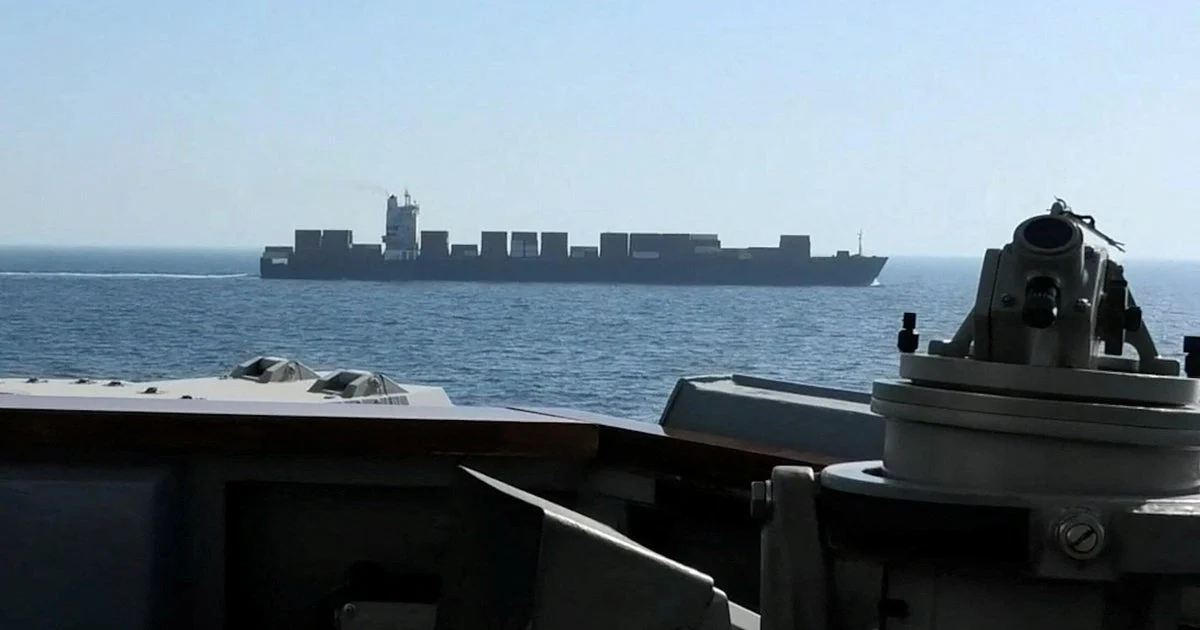
Iran announced on Monday that it has no plans to participate in peace talks with the United States scheduled to take place in Pakistan, despite a U.S. delegation reportedly en route to Islamabad. The refusal comes as tensions remain high following a recent naval incident involving the seizure of an Iranian vessel by U.S. forces near the Strait of Hormuz.
President Masoud Pezeshkian of Iran reinforced his country’s stance against U.S. pressure, stating on social media that “Iranians do not submit to force.” He criticized the U.S. for sending “unconstructive and contradictory signals” ahead of the potential second round of talks, emphasizing Tehran’s distrust of American government conduct and accusing Washington of seeking Iran’s surrender.
The U.S. delegation, reportedly led by Vice President JD Vance along with special envoy Steve Witkoff and President Trump’s son-in-law Jared Kushner, is expected in Pakistan for negotiations. However, Iran’s foreign ministry spokesman Esmail Baqaei and the Tasnim news agency—linked to Iran’s Islamic Revolutionary Guard Corps—have both indicated no official decision to attend has been made and reiterated Tehran’s unwillingness to engage under current conditions.
Iranian officials cited the ongoing U.S. naval blockade of their ports and “excessive demands” by Washington as significant obstacles to negotiations. Tasnim described direct talks as potentially “a waste of time,” reflecting deep skepticism about the possibility of diplomatic progress at this stage.
Amid these developments, the two-week ceasefire between the U.S. and Iran is set to expire Tuesday night Eastern Time (Wednesday morning in the Middle East). President Trump warned that if Iran does not accept the U.S. terms for a comprehensive peace deal by then, he is unlikely to extend the ceasefire and expects fighting to resume immediately. Trump threatened strikes targeting Iranian power plants and bridges should talks fail.
Why it matters
The rejection of peace talks by Iran intensifies uncertainty in an already volatile region, with the imminent expiration of the ceasefire raising the risk of renewed conflict. The Strait of Hormuz, a critical global oil transit corridor, remains blocked, contributing to rising global oil prices and increased market instability. The failure of diplomacy could have significant geopolitical and economic consequences, especially for energy markets and regional security.
Background
The conflict between the U.S. and Iran escalated after Iran-backed attacks, including the October 7, 2023, Hamas assault and subsequent joint U.S.-Israeli military operations. The U.S. initiated a naval blockade on Iranian ports, aiming to curb Tehran’s military capabilities. Earlier mediation attempts led to a temporary ceasefire, but the breakdown of talks and continued hostilities have left negotiations at an impasse.
President Trump has publicly rejected suggestions that Israeli officials compelled the U.S. into war with Iran, asserting the decision was based on Iran’s nuclear ambitions and involvement with Hamas. Meanwhile, Iranian leadership insists that diplomacy remains a preferable path to avoid war, though they remain firmly opposed to what they describe as unreasonable U.S. demands and coercive tactics.
Read more World News stories on Goka World News.