
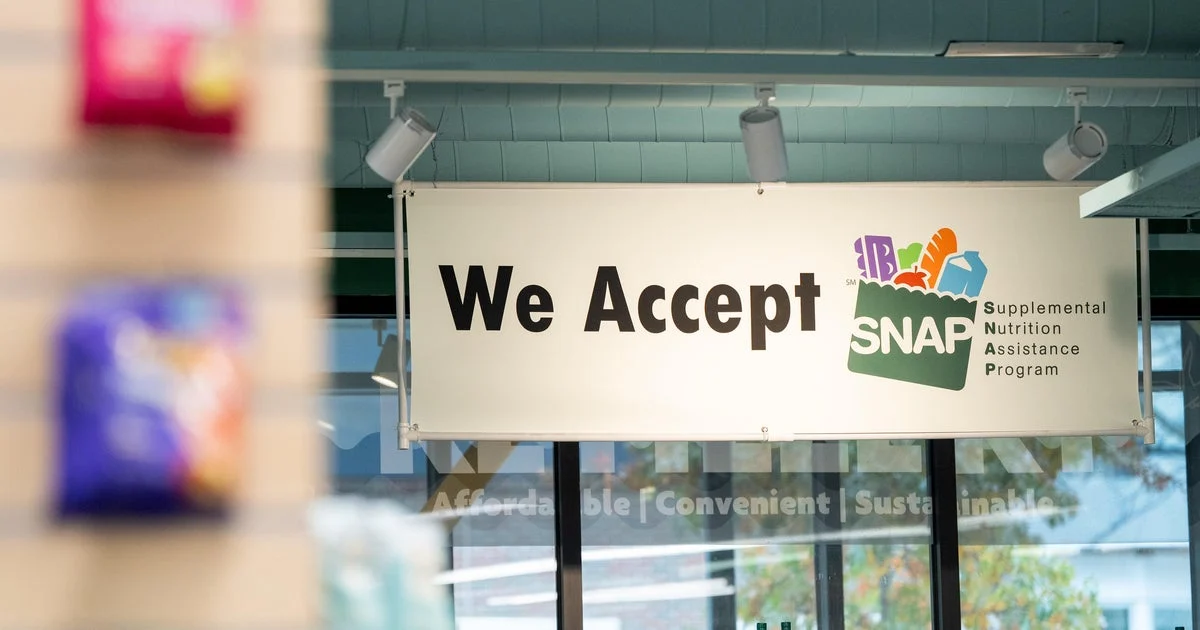
The reinstated and expanded work requirements for the Supplemental Nutrition Assistance Program (SNAP) have not led to higher employment rates, according to recent research from West Virginia. The new rules, part of the federal One Big Beautiful Bill Act implemented in November 2025, limit benefits for able-bodied adults under 65 without dependents who do not work, volunteer, or attend job training for at least 80 hours monthly.
The policy expansion lowered the age limit from 54 to 64 and removed exemptions for certain populations, including veterans and people experiencing homelessness. Additionally, parents of children aged 14 or older are now subject to the work requirements. These changes risk thousands losing SNAP benefits despite persistent economic challenges in affected regions.
Research findings on employment impact
Rhonda Rogombé, health and safety net policy analyst at the West Virginia Center on Budget and Policy, stated that the reinstatement of SNAP work mandates in fall 2023 coincided with a downward trend in monthly employment figures in Mingo County, WV. This contrasts with the intended goal of increasing labor participation.
Supporting these observations, a 2018 federal study analyzing data from nine states found no significant effect of work requirements on labor force participation or hours worked. Researchers suggest hunger itself limits individuals’ ability to seek and maintain employment, noting that food insecurity reduces concentration and work capacity.
Economic and social barriers in coalfield regions
Mingo County, historically a coal mining region with a population declining from 27,000 in 2010 to under 22,000 today, now faces high poverty rates and limited job availability. Many residents encounter obstacles such as unreported disabilities, lack of identification, housing insecurity, and poor internet access—nearly one in four lack reliable connectivity.
The administrative complexity of meeting SNAP compliance through paperwork further hampers participation, especially given these structural barriers. Transport challenges in rural areas add to the difficulty of obtaining and retaining employment, as noted by local food pantry operators.
Community support amid SNAP restrictions
With SNAP work requirements reducing eligible recipients, local food pantries like Delbarton’s House of Hope and Ben Creek’s Blessing Barn have become critical food sources, distributing hundreds of boxes monthly to residents including older adults and unemployed youth. Volunteers emphasize the importance of these services for community survival.
Individuals like Lilly Hall, recently subjected to the new work mandates, balance precarious employment and health challenges amid limited local opportunities. Meanwhile, some worry that rising administrative costs and new state fiscal responsibilities set to begin in October 2026 may lead states to further restrict SNAP participation or potentially withdraw, worsening food insecurity.
Why it matters
The findings call into question the effectiveness of SNAP work requirements as a policy tool for boosting employment, especially in economically distressed rural counties. With states facing increased financial burdens to administer SNAP starting in late 2026, there is concern that eligibility restrictions will deepen hardships for low-income families while failing to improve job market outcomes.
SNAP remains a crucial component of the social safety net, impacting health outcomes beyond food security by supporting medication adherence and chronic disease management. Reduced access could have wide-ranging consequences for public health and economic stability in vulnerable communities.
Read more Politics stories on Goka World News.