
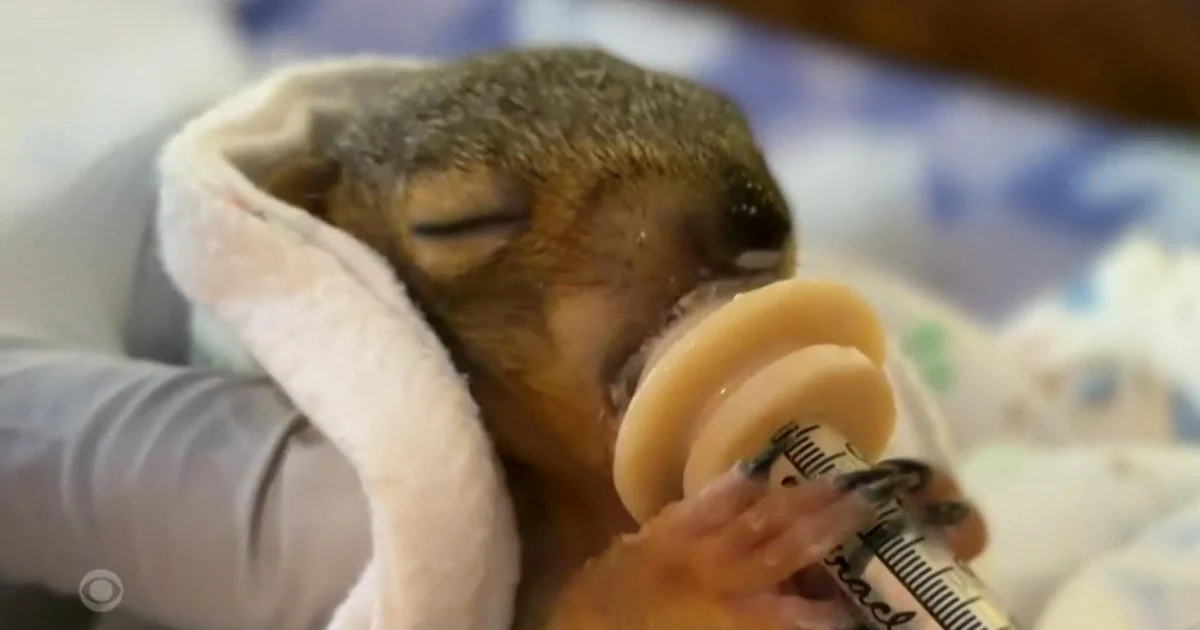
Angel Barba, a retired teaching assistant from California, has spent the past seven years fostering baby squirrels. Barba’s dedication to caring for these vulnerable animals highlights the important role private citizens can play in wildlife rehabilitation.
As a foster mom, Barba provides round-the-clock care to the young squirrels, which often require intensive feeding and nurturing until they can survive independently in the wild. This commitment involves not only feeding and hygiene but also ensuring the animals develop the necessary skills for survival.
Fostering baby squirrels is a specialized form of wildlife care that requires knowledge of their dietary and behavioral needs. It often arises when young squirrels are orphaned or displaced due to habitat loss or urban development.
Barba’s work reflects a broader network of volunteer wildlife rehabilitators who contribute to animal welfare without compensation. Their efforts help reduce mortality rates among injured or orphaned wildlife and support local ecosystems by returning healthy animals to their natural habitats.
Why it matters
The role of foster caregivers like Angel Barba is vital in urban and suburban areas where human activity frequently disrupts wildlife populations. By nurturing orphaned animals, these individuals help maintain local biodiversity and provide education on coexistence with native species.
Background
Wildlife rehabilitation is a regulated process that often involves permits and coordination with local animal control or conservation agencies. Private foster carers supplement official efforts by offering homes and intensive care for young or injured animals, including squirrels, birds, and other small mammals.
California, with its mix of urban and natural environments, has numerous nonprofit groups and individuals engaged in wildlife rescue and foster care. Volunteers like Barba play an essential role in bridging gaps between wildlife emergencies and long-term recovery.
Read more US News stories on Goka World News.