
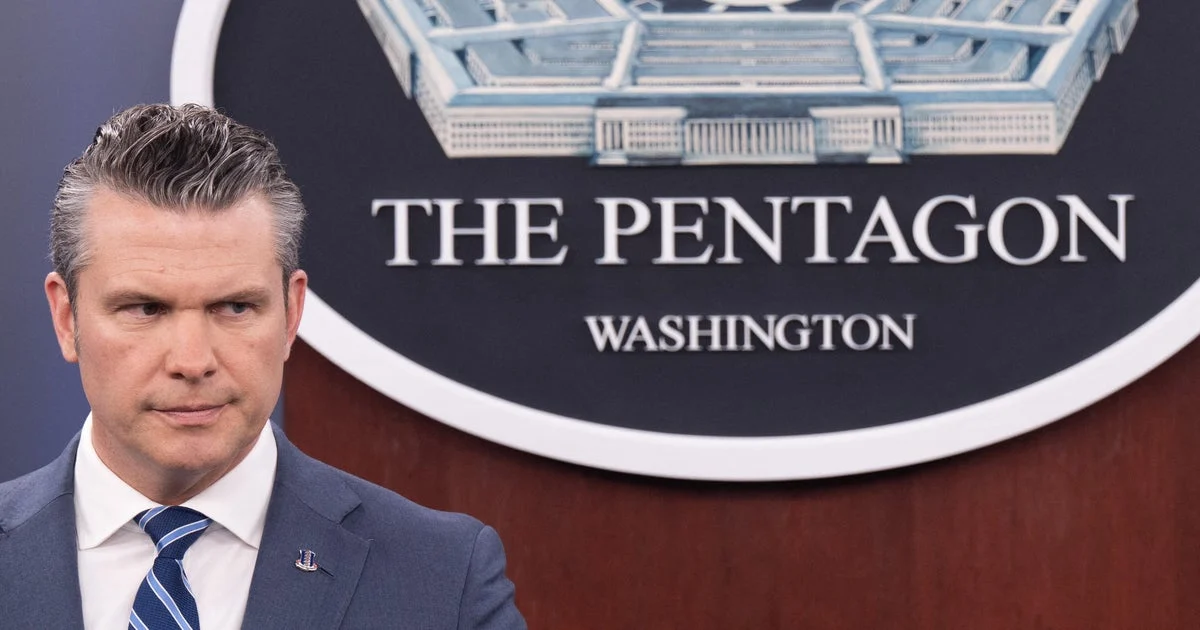
Defense Secretary Pete Hegseth announced on April 21, 2026, that the Department of Defense (DoD) will end its mandate requiring all U.S. service members to receive the annual influenza vaccine. The decision makes the flu shot voluntary for active duty, reserve service members, and civilian Defense Department employees.
In a video posted to the social media platform X, Hegseth described the previous universal flu-vaccination mandate as “overly broad and not rational,” emphasizing the importance of individual choice. He framed the policy change as part of an effort to “restore freedom and strength” within the military ranks by removing what he termed “absurd, overreaching mandates.”
The memo signed by Hegseth on April 20 states that the annual influenza vaccine is voluntary “effective immediately.” This reverses the longstanding requirement that all service members receive the seasonal flu shot, a protocol originally mandated in 1945 and reinstated in the early 1950s.
Partial policy shifts before Hegseth’s announcement
The shift aligns with previous changes initiated in May 2025 by then-Deputy Secretary of Defense Steve Feinberg. Feinberg’s memo restricted mandatory flu vaccinations primarily to reservists activated for 30 days or more, acknowledging the need to conserve resources and limit vaccination requirements only to circumstances that directly supported military readiness.
Under that directive, reservists and National Guard members were no longer compensated for time spent receiving flu shots independently, marking a move away from universal vaccination obligations.
Military vaccination history and current perspectives
The military’s vaccination programs date back to 1777 when smallpox inoculations were directed by General George Washington. The DoD currently mandates several other vaccines, including those for hepatitis B, polio, and measles, mumps, and rubella.
Health officials within the Navy and Marine Corps emphasize the flu vaccine’s role in maintaining operational readiness and preventing mission degradation due to illness outbreaks. Their public health command highlights that influenza outbreaks can rapidly spread and significantly impact force readiness.
Related vaccine mandates
Previously, the Pentagon had required COVID-19 vaccinations for all military personnel under the Biden administration. Approximately 8,700 active and reserve members left the military voluntarily or involuntarily due to refusal to comply. This mandate was rescinded in 2023.
Following that, President Trump signed an executive order allowing reinstatement for troops discharged over refusing the COVID-19 vaccine. As of August 2025, fewer than two dozen service members were reinstated despite hundreds of applications.
Why it matters
By lifting the mandatory flu vaccine requirement, the Defense Department shifts toward prioritizing personal choice and resource allocation within the military. This change reflects ongoing debate about balancing force health protection with individual autonomy and operational effectiveness.
The modification may have implications for military readiness and health policy, particularly during flu seasons known to affect troop deployment and availability.
Read more US News stories on Goka World News.