
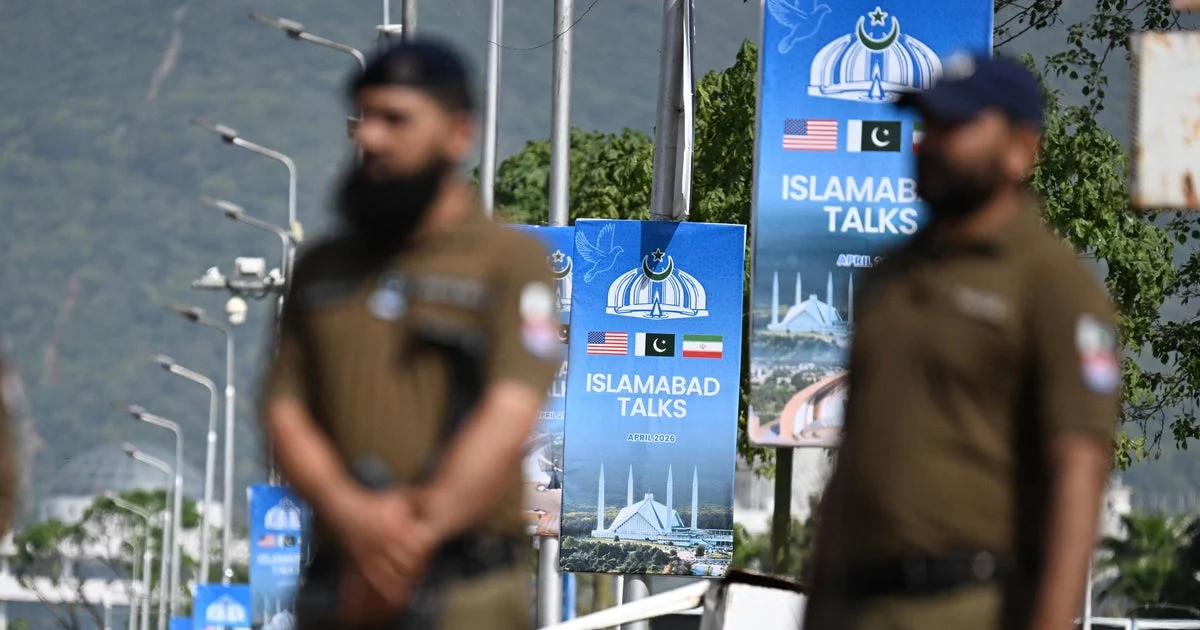
As a two-week ceasefire between the U.S. and Iran nears its end, Iran has rejected President Donald Trump’s demands to accept U.S. terms for a peace deal, insisting it will not negotiate under threats. The ceasefire is set to expire Wednesday, and uncertainty remains over whether Iran will participate in scheduled peace talks in Islamabad, Pakistan.
Diplomatic Stalemate Amid Ceasefire Expiration
Vice President J.D. Vance is expected to lead the U.S. delegation for peace talks, accompanied by special envoy Steve Witkoff and President Trump’s son-in-law Jared Kushner. However, as of late Tuesday, Iran had not confirmed its attendance. Pakistani mediators remain in communication with Iran, but a formal response has yet to arrive.
Iranian Foreign Minister Seyed Abbas Araghchi criticized the U.S. for violating the ceasefire, accusing it of blockading Iranian ports, attacking a commercial vessel, and holding its crew hostage. Araghchi described these actions as violations amounting to acts of war. President Trump also accused Iran of multiple ceasefire breaches but intends to continue military actions after the truce ends.
Military and Economic Pressure Continues
Since the start of the U.S. blockade on Iranian ports, U.S. forces have ordered 28 vessels to turn back. The blockade aims to prevent Iran from exporting oil and receiving contraband, a move that Iran condemns as aggression. Iranian Major General Ali Abdollahi warned that Iranian forces remain united and ready to respond decisively to any breach of commitments, signaling potential military escalation.
In tandem with diplomatic efforts, the U.S. Treasury Department imposed new sanctions on Iranian and affiliated entities linked to the development of ballistic missiles and attack drones. This included Mahan Air, a Tehran-based airline accused of supporting Iran’s Islamic Revolutionary Guard Corps-Qods Force, alongside individuals and companies based in Iran, Turkey, and the UAE.
Regional Tensions and Maritime Disruptions
Maritime activity in the Strait of Hormuz has been severely disrupted after Iran declared the strategically vital waterway closed “until further notice.” Shipping company Maersk advised vessels to avoid the strait due to ongoing volatility. Data from MarineTraffic showed nearly no vessel traffic in the area on Tuesday, indicating a de facto blockade.
The Israeli military also reported ceasefire violations by Hezbollah, which launched rockets from southern Lebanon. Israel responded with targeted strikes, underscoring the fragile regional ceasefire in effect since April 16.
Why it matters
The impending expiration of the ceasefire raises the prospect of renewed military conflict between the U.S. and Iran, with potential broader regional instability. The breakdown of peace talks would likely prolong hostilities, increase economic sanctions, and threaten global oil markets due to disruptions in the Strait of Hormuz—a critical international shipping route.
Diplomatic failure could also impact U.S. political strategy as the administration seeks to manage both military engagement and sanctions enforcement simultaneously. Pakistan’s role as mediator highlights the complexities of preventing escalation at a precarious juncture.
Read more World News stories on Goka World News.