
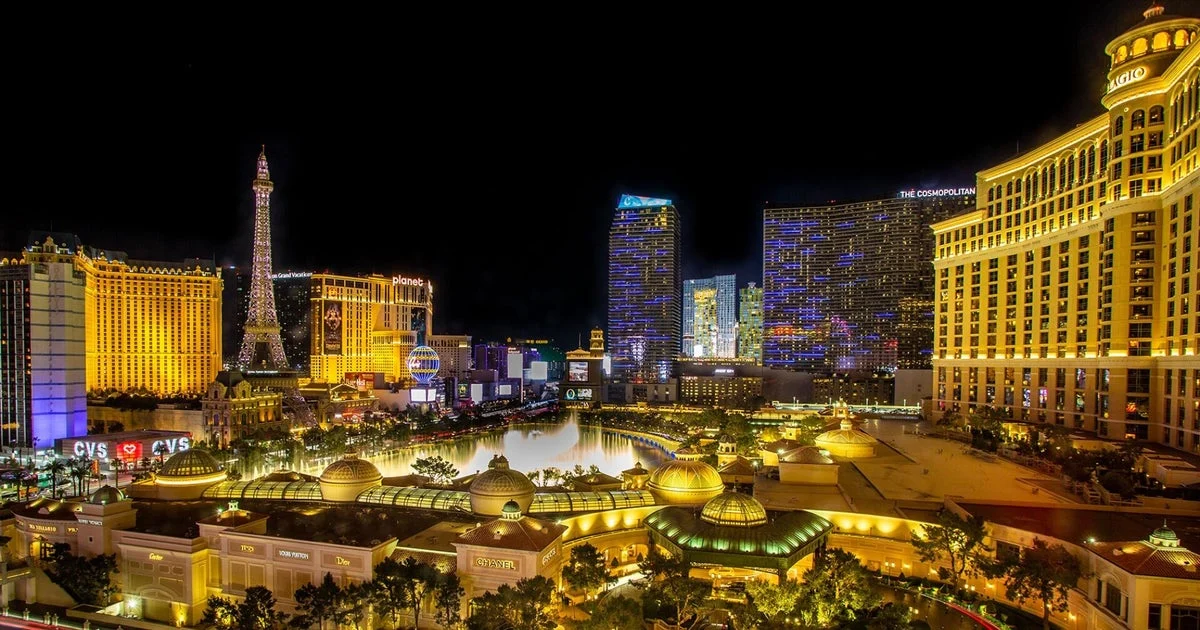
Journalist Tony Dokoupil recently shared his insights on the distinctive character of Las Vegas, focusing on the city’s intentional embrace of artificiality as a core part of its charm.
Dokoupil pointed out that Las Vegas stands apart because it does not attempt to present itself as genuine or natural in the traditional sense. Instead, its constructed environments and themed resorts—from replicas of world landmarks to extravagant entertainment venues—create a unique experience that is openly and proudly synthetic.
This deliberate “fakeness,” according to Dokoupil, is what makes Las Vegas captivating to visitors who seek an escape from everyday reality. The city’s whimsical, larger-than-life persona thrives precisely because it does not conceal its artifice, offering a space where visitors can indulge in fantasy and spectacle.
Why it matters
Understanding the appeal of Las Vegas’ artificiality sheds light on modern tourism trends where themed entertainment and escapism take precedence over authenticity. This perspective explains the city’s continuing popularity as a destination that fulfills visitors’ desires for immersive and fantastical environments.
Background
Las Vegas has long been known for its elaborate casinos, themed hotels, and vibrant nightlife, cultivating an identity around manufactured spectacle. The city’s design intentionally contrasts with historic or cultural authenticity, aiming instead to provide a controlled and celebratory environment centered on entertainment.
Read more US News stories on Goka World News.