
Patients hospitalized for gunshot wounds in Florida experience notably shorter hospital stays if they lack health insurance, according to a new analysis by The Trace and KFF Health News. The data, compiled by the Florida Agency for Health Care Administration, reveals persistent disparities in treatment duration linked to insurance status, underscoring systemic challenges faced by uninsured trauma patients.
What Happened
From 2018 to 2024, Florida hospitals treated over 20,000 patients admitted for gunshot wounds. While uninsured individuals accounted for approximately 25% of these patients—the largest single group—they spent significantly fewer days in hospital care than those covered by private insurance or Medicaid. For example, uninsured patients had hospital stays averaging about six days, compared with 8 to 10 days for the privately insured and upwards of 12 days for Medicaid recipients. Among the most severely injured, the uninsured stayed about three fewer days than insured patients.
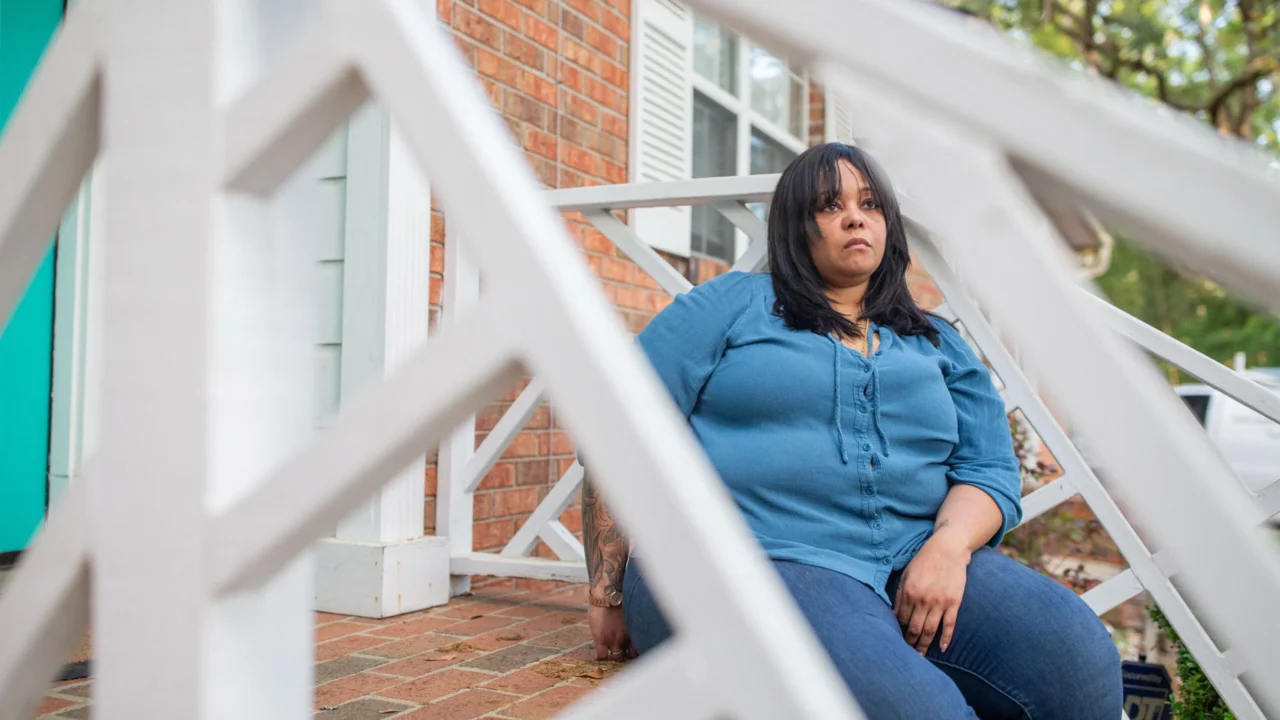
Tallassee Memorial HealthCare patient Alea Bates, shot seven times in 2019, reported being discharged after four days despite ongoing pain, weakness, and numbness in her leg. Bates described limited post-discharge support and no scheduled follow-up imaging or rehabilitation, attributing the early discharge partially to her uninsured status.
Key Facts
The analysis covered over twenty thousand gunshot wound hospitalizations across Florida between 2018 and 2024. It included patient demographics, insurance status, and hospital billing data. The largest proportion of gunshot victims treated were uninsured. Nearly half of these patients were Black, a group disproportionately affected by firearm injuries and less likely to have health insurance. The hospital discharge gap persisted regardless of hospital size, ownership, or location.
At major trauma centers like Miami’s Jackson Memorial Hospital, uninsured patients stayed an average of 6.6 days versus 10.7 days for those privately insured and 15.4 days for Medicaid patients. Similar disparities were observed at Tampa General Hospital, UF Health Jacksonville, Broward Health, and Memorial Regional Hospital. Hospital spokespersons denied that insurance status influenced clinical decisions, attributing care duration solely to medical necessity.
Research and hospital case manager insights cited in the report suggest that insured patients receive more coordinated post-acute care, including rehabilitation and home health services, which often extend hospital stays. Conversely, uninsured patients may be discharged earlier due to financial constraints and lack of access to follow-up care facilities, which can cost thousands daily.
What This Means
The findings highlight how economic and racial disparities in the United States extend deeply into emergency trauma care. Uninsured gunshot victims spending fewer days hospitalized may reflect financial pressures on hospitals and patients rather than clinical readiness for discharge. Shorter stays limit access to rehabilitation and follow-up services critical for recovery after severe injuries. This disparity increases the risk of complications like infections, nerve damage, or worsening disability.
For communities disproportionately affected by gun violence—especially Black and Latino populations—the early hospital discharge of uninsured patients likely exacerbates long-term health consequences and contributes to wider inequities in healthcare outcomes. The data underscores the complex interaction between health insurance coverage, systemic racism, and the economic realities of trauma treatment.
Furthermore, the current political climate in Florida, with relaxed gun laws and rising firearm deaths, stands in contrast to weakened protections for the insured, which may further strain hospital systems serving vulnerable populations. This dynamic suggests a growing public health challenge that requires policy attention beyond just gun violence prevention.
Background
Gun violence remains a significant public health crisis in the U.S., with an estimated gunshot injury treated in an emergency room every 30 minutes nationwide. The Johns Hopkins Bloomberg School of Public Health reports that Black Americans experience firearm homicide rates substantially higher than white Americans. Florida has seen a 19% increase in gun deaths over the past decade amid state policies easing gun ownership restrictions.
Analysis
Arch Mainous, vice chair for research in community health and family medicine at the University of Florida, noted the influence of financial incentives behind patient discharge timing, emphasizing that commercial interests affect care decisions even if clinicians individually focus on medical needs. Former trauma surgeon Rishi Rattan highlighted how insurance enables access to rehabilitation and post-acute services that improve long-term recovery chances, a benefit often unavailable to uninsured patients.
What Remains Unclear
The analysis cannot definitively prove that shorter hospital stays directly cause worse outcomes for uninsured gunshot victims, nor does it clarify the precise clinical decision-making processes behind discharge timing at Florida hospitals. Hospitals contacted declined interviews or denied insurance status influencing care, indicating unresolved questions about institutional motivations and patient follow-through care.
What Comes Next
There is no confirmed regulatory action yet in response to these findings. However, attention on insurance-related care disparities in trauma settings could inform future public health policy and hospital practices. Further research and potential legislative efforts may emerge to address this gap, especially amid ongoing debates over gun legislation and healthcare access in Florida.
Sources
This article is based on reporting and publicly available information from the following sources:
Read more US News stories on Goka World News.