
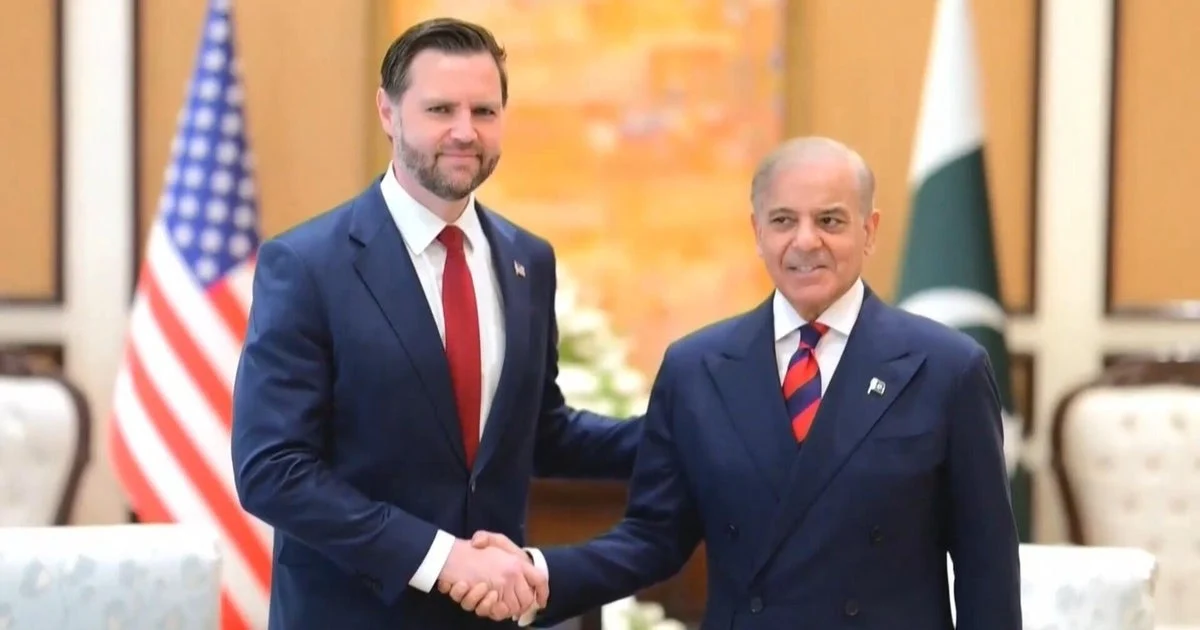
The United States is preparing to engage in potential peace talks with Iran, with a delegation expected to be led by Vice President J.D. Vance. These discussions are planned to take place in Pakistan amid growing uncertainty, as Iran has not confirmed whether it will participate.
The possibility of renewed negotiations comes as an existing ceasefire between the two nations approaches its expiration date. The details surrounding the timing and agenda of the talks remain unclear, and the stalemate over Iran’s attendance raises questions about the future of diplomatic efforts.
Why it matters
Renewed peace talks between the U.S. and Iran could significantly impact regional stability and bilateral relations. With tensions persisting over various geopolitical issues, successful negotiations might ease conflicts and open pathways for broader diplomatic engagement. The uncertainty over Iran’s participation underscores ongoing challenges in achieving mutual trust and tangible progress.
Background
The U.S. and Iran have long experienced strained relations, exacerbated by conflicts over nuclear programs, sanctions, and regional influence. Previous attempts at dialogue have been sporadic and marked by setbacks. The current ceasefire, which has limited direct confrontations, is set to expire soon, prompting renewed efforts to find a diplomatic resolution.
Pakistan has emerged as a potential host for these talks, reflecting its strategic position and interest in facilitating dialogue. The U.S. delegation’s leadership by Vice President J.D. Vance signals the high level of engagement Washington is bringing to the process.
Read more Politics stories on Goka World News.