
According to the American Lung Association’s 2026 State of the Air report, 152 million Americans—44% of the U.S. population—are exposed to unhealthy air pollution, including 33 million children and teens. This widespread exposure raises significant health concerns, especially for young people who are more vulnerable to the effects of air pollution due to their developing lungs and higher air intake relative to body size.
Health Risks for Children
Environmental health experts emphasize that air pollution can contribute to chronic respiratory diseases in children. Kevin Stewart, director of environmental health at the American Lung Association and a report co-author, noted that pollution exposure may not only trigger asthma attacks but also contribute to the development of asthma in otherwise healthy children and impair lung function over their lifetime.
Air Quality Trends and Regional Variations
The report assessed ozone (smog) and particle pollution (soot) levels from 2022 to 2024 across U.S. counties, grading them on pollution intensity and duration. While some measures of air quality improved compared to previous years, nearly 4 million more people were exposed to unhealthy smog levels than between 2021 and 2023. Persistent soot pollution affected over 61 million residents during short-term spikes and 75 million year-round, although these numbers represent slight improvements.
Southern and southwestern states, along with several metropolitan areas in Texas, showed particularly high particle pollution levels, underscoring ongoing air quality challenges in those regions.
Most and Least Polluted Cities
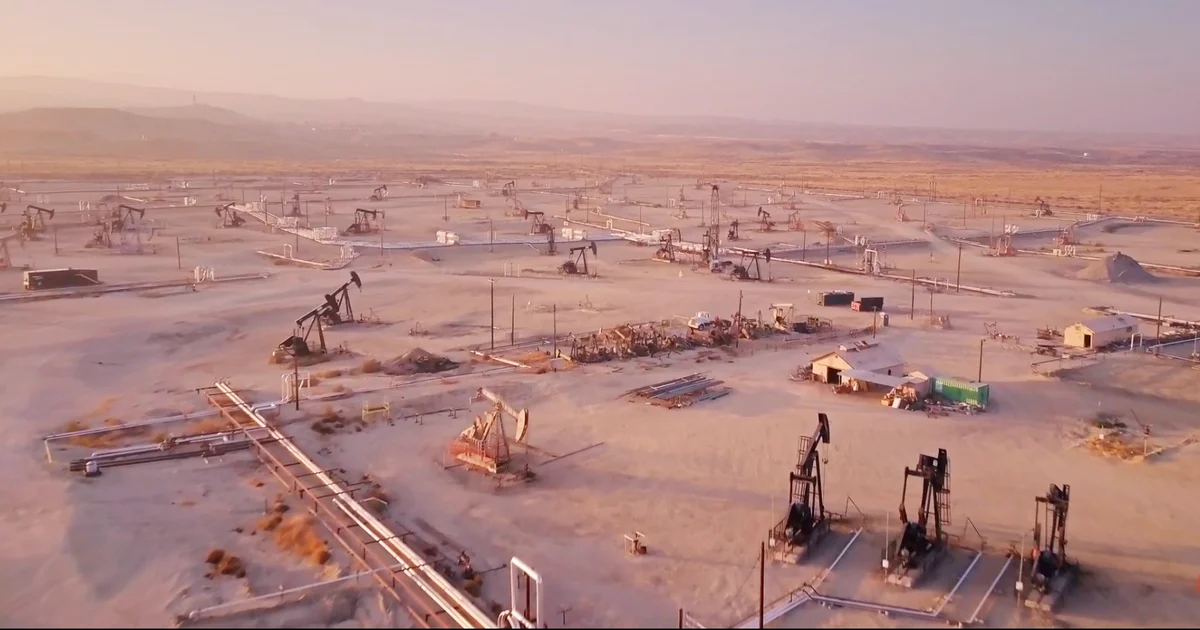
Bakersfield, California, remains the U.S. city with the worst year-round particle pollution, also ranking among the top cities for short-term particle and ozone pollution. Other highly polluted cities identified include Brownsville-Harlingen-Raymondville, Texas; Eugene-Springfield, Oregon; Fresno-Hanford-Corcoran, California; and a tie between San Diego-Chula Vista-Carlsbad and Visalia, California.
Conversely, the cleanest U.S. cities for year-round particle pollution include Bozeman, Montana—recently overtaking Casper, Wyoming—as well as Kahului-Wailuku and Urban Honolulu in Hawaii, and Burlington-South Burlington-Barre, Vermont.
Emerging Factors and Regulatory Concerns
The report identifies data centers supporting artificial intelligence operations as a growing source of air pollution due to their substantial energy use, often reliant on fossil fuels or backup generators. Stewart called for strict pollution controls in these facilities to limit emissions.
The American Lung Association also criticized recent federal policy changes, particularly the Environmental Protection Agency’s repeal of the “endangerment finding,” which previously recognized greenhouse gases as harmful to human health. This move, taken under the Biden administration in February 2026, has sparked concerns over increased vulnerability to ozone and particle pollution. Despite long-term emission reductions since the Clean Air Act of 1970, recent data show pollution levels rising again, undermining protections for public health.
Why it matters
The pervasive exposure of nearly half of the U.S. population, especially children, to unhealthy air poses a significant public health risk with implications for respiratory disease prevalence and lung health over lifetimes. Regional pollution hotspots highlight the need for targeted environmental policies and enforcement, particularly amid emerging pollution sources like data centers. Regulatory rollbacks on emissions standards may exacerbate these risks, making air quality a critical issue for policymakers and communities nationwide.
Read more Health & Public Health stories on Goka World News.