
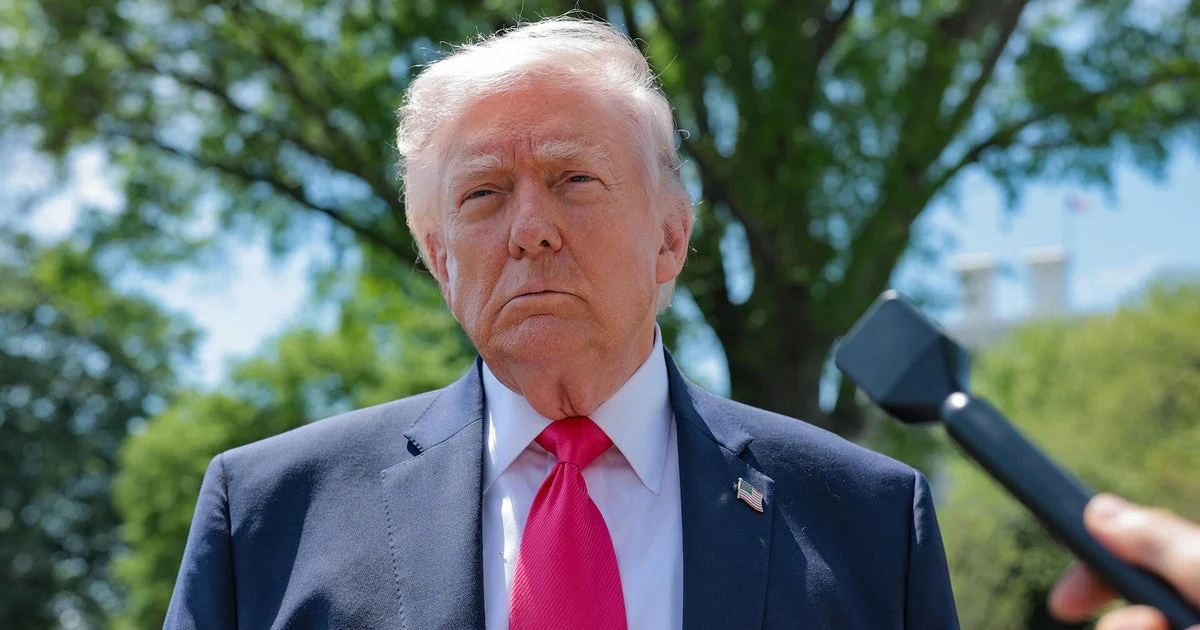
President Donald Trump announced an indefinite extension of the ceasefire between the United States and Iran on April 21, 2026, citing stalled negotiations and internal divisions within the Iranian government.
The ceasefire, originally agreed upon two weeks prior, had been set to expire on the evening of April 21. Although Trump had previously indicated the U.S. military was ready to resume bombing campaigns, he reversed course, granting the extension at Pakistan’s request. The president stated the ceasefire would remain in effect “until such time as [Iran’s] proposal is submitted, and discussions are concluded, one way or the other.”
Trump attributed delays to what he described as Iran’s “seriously fractured” leadership and said the extension was designed to give Iranian officials additional time to unify and present a comprehensive proposal. Despite the ceasefire, tensions have persisted, with both nations accusing each other of violations—specifically, Iran’s blockade of shipping through the Strait of Hormuz and the U.S. blockade of Iranian ports.
Negotiations between the two countries have produced limited progress after initial talks in Islamabad earlier this month. Senior-level discussions stalled, prompting Trump to accuse Iran of rejecting a deal on its nuclear program that he deemed acceptable. Iran has denied some U.S. claims, including allegations regarding uranium transfers, maintaining its own position firmly.
Following the announcement, Iran has not publicly responded to the ceasefire’s extension. Meanwhile, a senior U.S. delegation is expected to travel to Islamabad soon to continue diplomatic efforts.
The ceasefire extension comes more than seven weeks into a broader campaign initiated by the U.S. and Israel against Iranian targets, originally projected by U.S. officials to last four to six weeks. Trump’s decision to prolong the ceasefire marks a significant shift from his earlier statements expressing readiness for continued military action.
Why it matters
The indefinite extension postpones further military escalation in the region and allows diplomatic channels to keep open amid complex negotiations over Iran’s nuclear program and regional activities. It reflects the challenges the U.S. faces in securing a unified and enforceable agreement with Iran, with potential implications for regional security and global energy markets due to the strategic importance of the Strait of Hormuz.
Background
This ceasefire was brokered to halt active hostilities and create space for negotiations after escalating conflict following U.S. and Israeli strikes on Iranian sites in late February 2026. The U.S. has maintained a naval blockade targeting Iranian ports, while Iran has intermittently restricted shipping through a critical maritime passage. The ongoing deadlock underscores deep mistrust and strategic rivalry that complicate efforts toward a peaceful resolution.
Read more Politics stories on Goka World News.