
Multiple U.S. officials with knowledge of intelligence reports say Iran’s military capabilities remain stronger than the Trump administration has publicly acknowledged. Despite President Donald Trump and Defense Secretary Pete Hegseth’s assertions of overwhelming U.S. success in crippling Iran’s forces, key segments of Iran’s military are largely intact following recent hostilities.
Missile and Naval Capabilities Largely Preserved
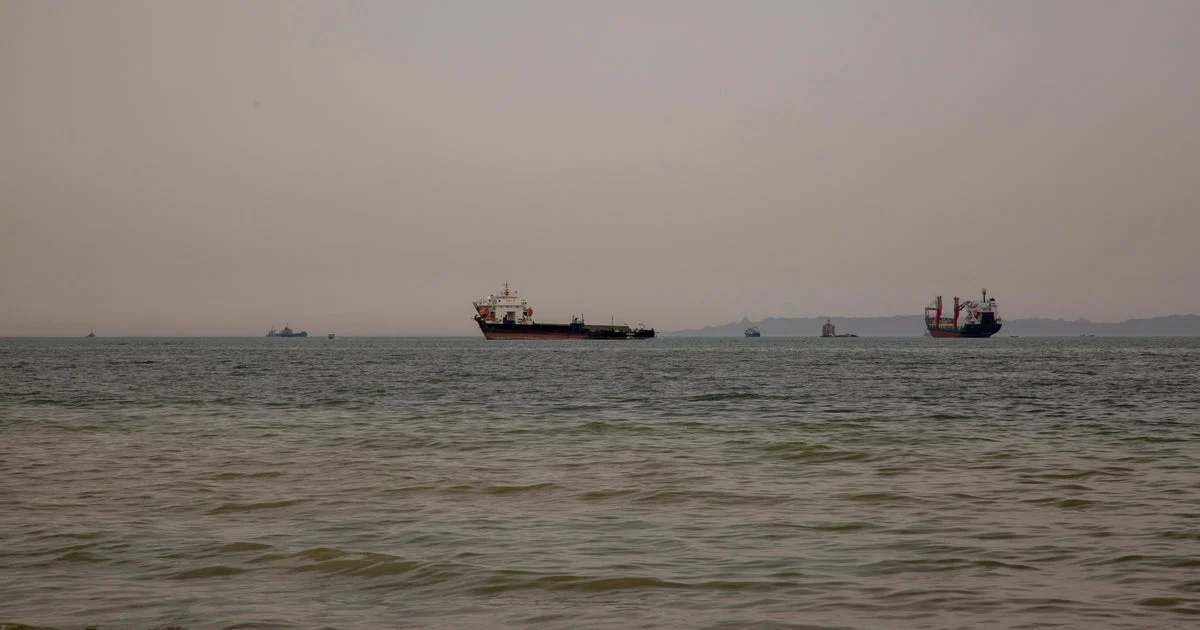
According to three U.S. officials who spoke to CBS News anonymously, about half of Iran’s ballistic missile stockpile and associated launch systems were still operational as of early April, at the time a ceasefire was declared. While Iran’s conventional navy has suffered extensive damage, roughly 60% of the Islamic Revolutionary Guard Corps’ (IRGC) naval elements remain, including fast-attack gunboats. These vessels have recently been active near the Strait of Hormuz, where Iranian gunboats attacked commercial ships shortly after Trump announced a ceasefire extension to facilitate peace talks.
Air Force Partially Operational Despite Large-Scale Strikes
Iran’s air power has been significantly degraded by a U.S.-Israeli campaign that targeted thousands of Iranian military facilities, including storage and production sites. However, officials estimate about two-thirds of Iran’s air force is still operational. This challenges the administration’s earlier claims that the air force had been effectively neutralized.
Discrepancies in Official U.S. Statements
President Trump characterized the military campaign—dubbed Operation Epic Fury—as a decisive victory, stating, “We’ve taken out their navy, we’ve taken out their air force, we’ve taken out their leaders.” Defense Secretary Hegseth echoed this sentiment, describing the operation as a “historic and overwhelming victory,” asserting it left Iran’s military combat ineffective for years. However, U.S. intelligence assessments indicate a more complex reality, with significant portions of Iran’s military still capable of functioning and threatening U.S. and allied forces.
Marine Lt. Gen. James Adams, head of the Defense Intelligence Agency, stated in a written congressional submission that Iran still possesses “thousands of missiles and one-way attack UAVs” that continue to present risks in the region, despite losses from attrition and expenditure.
Official Pentagon Assessment and Ongoing Tensions
Pentagon spokesman Sean Parnell affirmed that the campaign struck over 13,000 targets, destroying 92% of Iran’s largest naval vessels and 44 minelayers, calling it “the largest elimination of a navy over a three week period since World War II.” Still, Parnell acknowledged the continued operational presence of the IRGC naval forces that disrupt shipping routes in the Strait of Hormuz.
These conflicting accounts emerge amid ongoing peace talks and reported ceasefire extensions, underscoring persistent tensions and the challenges of fully assessing Iran’s military posture following the recent conflict.
Why it matters
These revelations have immediate implications for U.S. strategy and regional security. The continued operational status of Iran’s missile stockpile and IRGC naval forces means risks remain elevated for maritime commerce, particularly in the Strait of Hormuz—a critical chokepoint for global oil shipments. A realistic understanding of Iran’s military capabilities is essential for informed policymaking, ongoing negotiations, and maintaining deterrence in the Gulf region.
Background
The Trump administration launched Operation Epic Fury to degrade Iran’s military following escalating tensions and attacks attributed to Iranian forces. The campaign involved extensive air and naval strikes, coordinated with Israeli intelligence to target weapons facilities and military infrastructure. Public statements from U.S. officials initially portrayed the operation as a near-total incapacitation of Iran’s military, but intelligence assessments reveal a more resilient Iranian force than previously presented.
Read more Politics stories on Goka World News.