
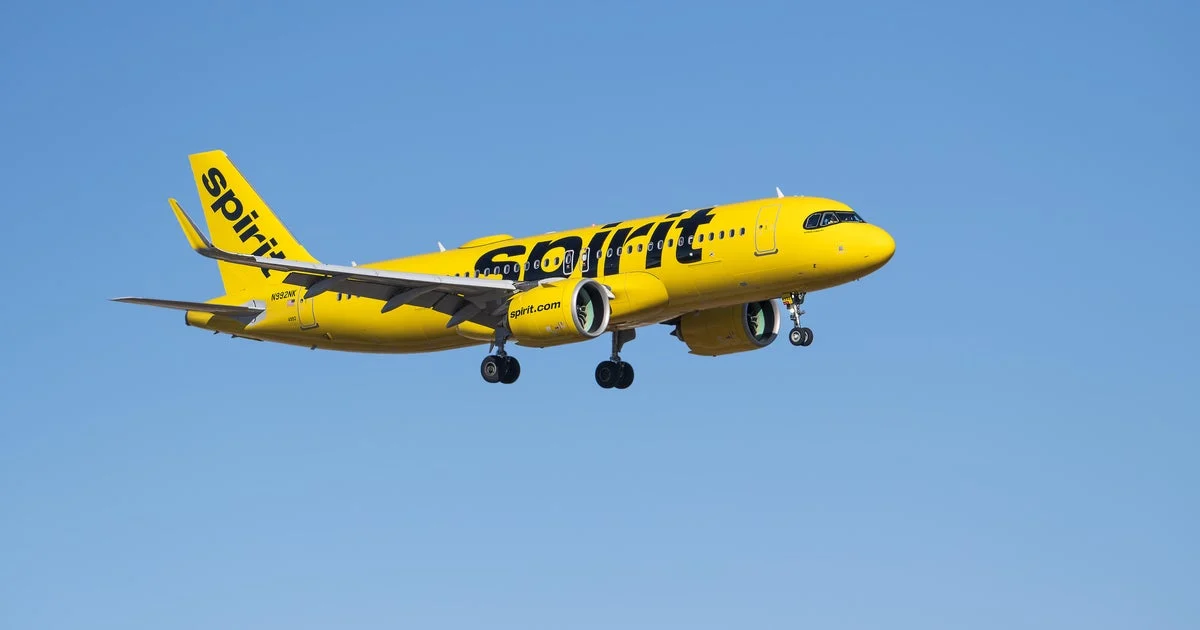
The Trump administration is engaged in advanced discussions with Spirit Airlines regarding a potential bailout, according to sources familiar with the negotiations. The proposed financial package could include a loan of up to $500 million, with warrants allowing the federal government to acquire a significant ownership stake in the airline.
Commerce Secretary Howard Lutnick is reportedly leading efforts within the administration to secure an ownership position in Spirit Airlines. While talks are ongoing and subject to change, sources indicated a deal could be finalized soon. These discussions were initially reported by The Wall Street Journal.
This development follows public comments from former President Donald Trump, who expressed a preference for another airline to acquire Spirit but also endorsed exploring a government rescue package. Spirit Airlines and the Department of Transportation both declined to comment on the discussions. Secretary of Transportation Sean Duffy acknowledged the talks, warning that “the clock is ticking,” but emphasized that no decision had yet been made.
Government intervention to support a single carrier is rare, although the airline industry has received broad federal assistance in past crises such as after 9/11 and during the COVID-19 pandemic. Duffy highlighted the high number of jobs at stake, noting that Spirit employs about 15,000 people, with approximately 6,000 based in Florida.
Impact of Low-Cost Carriers Exiting Markets
Spirit Airlines’ potential collapse could lead to significant fare increases in affected markets. When the airline dropped its last routes at Minneapolis St. Paul International Airport in December 2025, competing carrier Delta quickly raised prices by as much as 50% on those routes. Similar fare hikes have been observed following the departure of fellow low-cost airline Frontier Airlines from various markets.
Data from aviation analytics firm Cirium shows that in 149 markets abandoned by Frontier between 2023 and 2025, average fares rose 15.5%, or about $18 per ticket. Markets where Frontier continued operating saw only a 2.5% fare increase. In some cases, ticket prices jumped substantially, such as a $127 increase for flights between Fort Myers, Florida, and San Juan, Puerto Rico.
Industry analysts note that low-cost carriers act as a competitive check on fares. Without their presence, prices tend to rise faster, leading to higher costs for consumers.
Why it matters
The bailout talks come at a critical time for Spirit Airlines, a major ultra-low-cost carrier, and the airline industry more broadly. A government rescue could preserve thousands of jobs and help maintain competition in key markets where Spirit operates. Conversely, a failure to act could lead to reduced service and higher airfares, impacting travelers nationwide.
Background
Federal assistance for airlines is not unprecedented but usually occurs amid widespread crises affecting the entire industry. Targeted support for a single airline remains unusual and politically sensitive. The Trump administration’s approach reflects an ongoing balancing act between market stability and prudent use of government funds.
Read more Politics stories on Goka World News.