
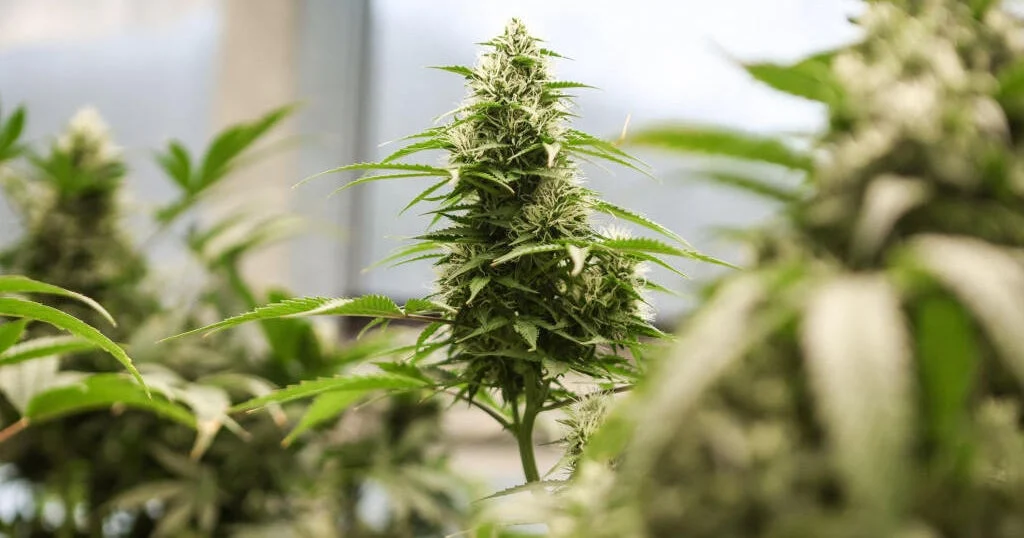
The U.S. Justice Department announced on April 23, 2026, that it has reclassified certain marijuana products to a lower drug schedule, moving them from Schedule I to Schedule III under the Controlled Substances Act. This federal order affects marijuana products that are FDA-approved or regulated under state-issued medical marijuana licenses, allowing these products to be treated with less restrictive regulations.
Signed by Acting Attorney General Todd Blanche, the order officially places FDA-approved marijuana products and state-licensed medical marijuana in Schedule III. Blanche stated that this change fulfills a presidential commitment to expand access to medical treatments involving marijuana, emphasizing that the rescheduling facilitates research on the drug’s safety and efficacy and improves patient care.
Details of the Rescheduling
Schedule I drugs, which currently include all forms of marijuana, are classified as having a high potential for abuse and no accepted medical use, alongside substances like heroin and LSD. Schedule III drugs present a lower potential for dependence and include medications such as ketamine and anabolic steroids. The reclassification applies only to specific marijuana products that meet the criteria of FDA approval or state medical licensing.
Marijuana and related compounds that do not meet these conditions remain Schedule I controlled substances, and possession or distribution of such products continues to carry legal penalties under federal law. Entities handling Schedule III marijuana products must comply with regulatory requirements similar to those for other Schedule III drugs, including registering with the Drug Enforcement Administration (DEA) and adhering to rules for security, labeling, and disposal.
The Justice Department also established a fast-track process for state-licensed medical marijuana businesses to obtain DEA registration. This aims to integrate state regulatory systems into the federal framework efficiently, reflecting the longstanding state oversight of medical marijuana.
Broader Rescheduling Process Underway
Beyond this targeted rescheduling, the Justice Department and the DEA have initiated an expedited administrative hearing, scheduled for late June 2026, to consider the wider rescheduling of marijuana from Schedule I to Schedule III. This hearing formally evaluates potential changes to marijuana’s federal classification, which could impact research opportunities and regulatory policies.
The move follows a December 2025 executive order from President Donald Trump directing a review and adjustment of marijuana’s scheduling to facilitate medical research and reflect evolving state laws. The administration’s actions also include efforts to loosen restrictions on psychedelics used in medical treatments.
Reactions and Context
Advocates for cannabis reform have welcomed the rescheduling of some marijuana products as a progressive step. Adam J. Smith, executive director of the Marijuana Policy Project, called the change “historic” but stressed that full de-scheduling is necessary to address ongoing legal and regulatory challenges, including frequent possession arrests and conflicts between federal and state laws.
Currently, 24 states and the District of Columbia permit adult recreational marijuana use, while 38 states have medical marijuana programs. Despite these state-level changes, marijuana remains federally classified as a Schedule I substance, constraining research and business operations nationwide.
Why it matters
This rescheduling marks a significant shift in federal marijuana policy, potentially expanding scientific research opportunities and improving medical access. By lowering restrictions on FDA-approved and state-regulated products, the Justice Department aligns federal regulations more closely with state laws and creates new pathways for legal medical marijuana production and distribution.
However, marijuana remains criminalized at the federal level outside these narrower categories. The broader rescheduling efforts underway could further influence federal drug policies, research funding, and the regulated cannabis market, affecting patients, healthcare providers, and the cannabis industry.
Read more Politics stories on Goka World News.