
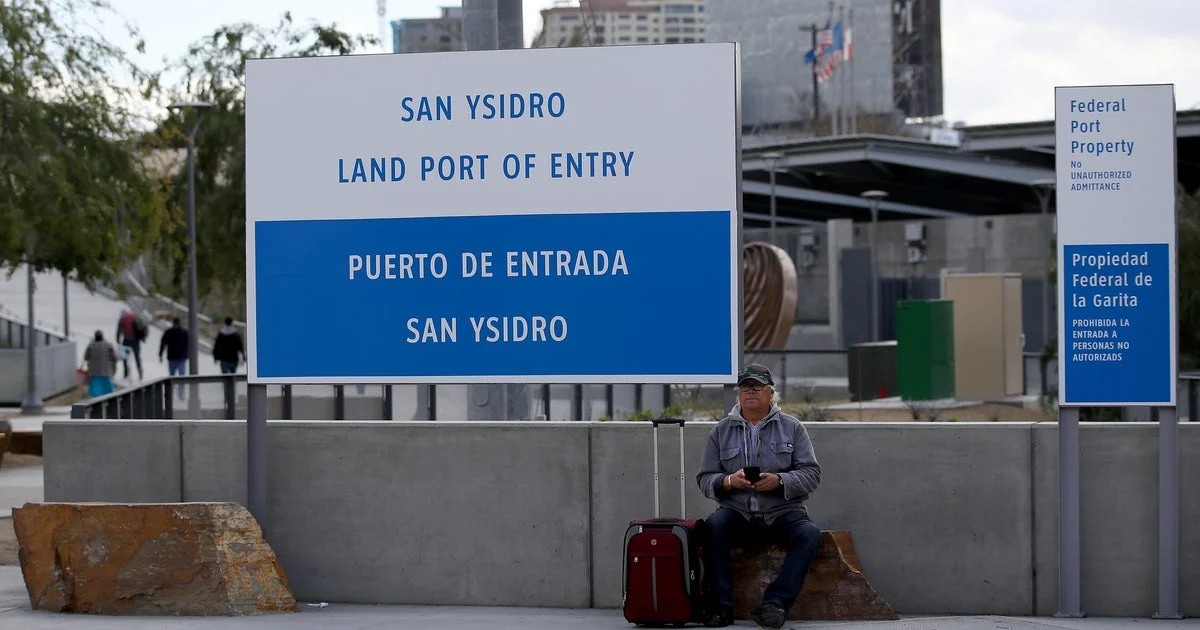
A federal appeals court on April 24, 2026, blocked President Donald Trump’s order suspending access to asylum and key legal protections for migrants crossing the U.S.-Mexico border unlawfully. The decision by a divided three-judge panel of the U.S. Court of Appeals for the District of Columbia Circuit determined that the president exceeded his authority under federal immigration law by implementing summary removal procedures that bypass established asylum processes.
Judge J. Michelle Childs, writing for the majority and joined by Judge Cornelia Pillard, ruled that the Immigration and Nationality Act (INA) does not authorize the president to suspend the right of migrants to apply for asylum or to deport them under new expedited removal procedures created by the Trump administration. Judge Justin Walker concurred in part but disagreed with the majority’s conclusion on halting the asylum system, stating the president can lawfully deny all asylum applications while agreeing the executive cannot strip access to protections against persecution or torture.
“Congress did not intend to grant the Executive the expansive removal authority it asserts,” Childs wrote. She emphasized that the president’s proclamation and subsequent Department of Homeland Security (DHS) guidelines “circumvent the INA’s removal procedures and cast aside federal laws affording individuals the right to apply and be considered for asylum or withholding of removal protections.”
Trump’s Asylum Suspension and Legal Challenge
On President Trump’s first day back in office, he issued an executive order suspending asylum protections for millions of migrants, describing the situation at the southern border as an “invasion.” The order directed the suspension of “physical entry” for undocumented migrants and instructed DHS to implement summary removal through “direct repatriation” or “expedited removal,” effectively barring migrants crossing between ports of entry from applying for asylum.
The Trump administration’s policies instructed asylum officers not to question individuals about credible fear of persecution or torture. A coalition of immigrant rights groups filed a lawsuit in February 2025, arguing that the president’s directive and DHS guidance violated the INA by bypassing lawful removal processes and eliminating asylum access.
U.S. District Judge Randolph Moss previously certified the affected migrants as a class and ruled against the administration’s sweeping authority claim, prompting the Justice Department to appeal. The D.C. Circuit panel’s decision ultimately upheld the lower court’s findings, reaffirming the legal protections for asylum seekers under federal law.
Why it matters
The ruling reinforces migrants’ statutory right to seek asylum in the United States and limits the executive branch’s ability to unilaterally modify key immigration procedures. It prevents the summary deportation of vulnerable individuals without due process protections intended to shield them from persecution or torture. This sets a significant precedent restricting presidential authority on border and immigration enforcement measures.
ACLU attorney Lee Gelernt, representing asylum seekers in the case, stated the decision “will potentially save the lives of thousands of people fleeing grave danger who were denied even a hearing under the Trump administration’s horrific asylum ban.” The Trump administration may seek further review by the full D.C. Circuit or appeal to the Supreme Court.
Background
The INA outlines the legal framework allowing individuals physically present in the U.S. to apply for asylum or withholding of removal, with protections against deportation to countries where they face persecution or torture. While the president holds some authority to restrict entry under certain conditions, courts have maintained that this power cannot override asylum-related procedural safeguards embedded by Congress.
During Trump’s presidency, immigration policies frequently faced judicial challenges around the limits of executive power, particularly concerning asylum seekers at the southern border. This ruling continues that trend, affirming judicial oversight of immigration regulations affecting vulnerable populations.
Read more Politics stories on Goka World News.