
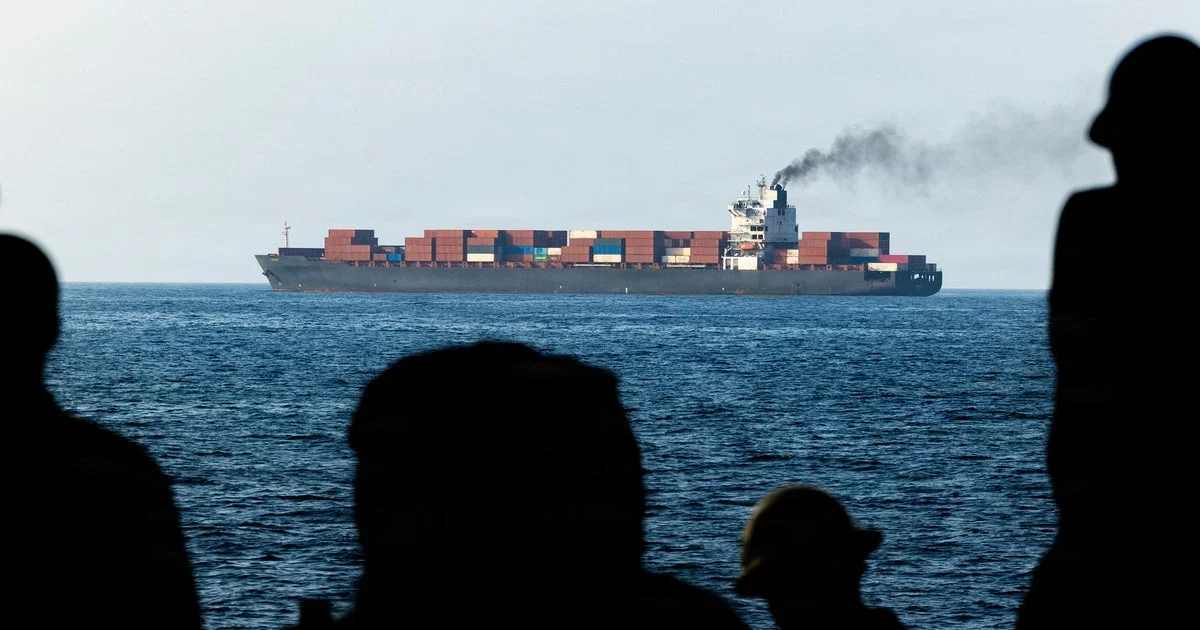
The International Energy Agency (IEA) reported on Friday that the ongoing conflict involving Iran will keep the global natural gas market constrained for at least two years. Damage to Qatar’s liquefied natural gas (LNG) infrastructure resulting from the war is expected to significantly disrupt supply growth and extend market tightness through 2026 and 2027.
The war, now in its second month, has led to the closure of the Strait of Hormuz, cutting off about one-fifth of the world’s oil and LNG supplies. On April 21, Iranian forces struck the Ras Laffan Industrial City in Qatar, one of the world’s largest LNG export terminals. This attack reduced Qatar’s LNG production capacity by roughly 17%, according to Qatar’s energy minister, who noted that repairs could take up to five years.
In its quarterly report, the IEA highlighted that the damage to Qatar’s LNG liquefaction facilities will delay the expected global LNG expansion by a minimum of two years. The agency estimated a cumulative loss of approximately 120 billion cubic meters of LNG supply through 2030 due to both short-term disruptions and longer-term capacity setbacks.
While new LNG projects in other regions may eventually compensate for these losses, the delays will extend the period of tight natural gas markets worldwide. The IEA also observed that natural gas demand fell in March, partly because of higher prices and demand-reduction policies implemented by several Asian countries, including fuel-switching measures.
The duration of the Strait of Hormuz closure remains uncertain, and the IEA emphasized that this factor will influence global gas demand trends throughout 2026.
Why it matters
The disruption to global LNG supply exacerbates an already volatile energy market, impacting prices and availability across multiple regions. As LNG is a critical fuel source for power generation and industry, prolonged supply constraints could hinder economic recovery efforts and complicate global energy security. The extended timeline for infrastructure repair in Qatar further underscores vulnerabilities in key energy chokepoints.
Background
The Strait of Hormuz is a strategic chokepoint through which roughly 20% of the world’s oil and LNG shipments transit. The Middle East conflict intensified in early 2026, resulting in direct attacks on energy infrastructure. Prior to the war, Qatar was poised to increase LNG exports substantially as part of a global expansion wave intended to meet growing demand, particularly in Asia. The current conflict has stalled these plans and reshaped the energy supply landscape.
Read more Business stories on Goka World News.