
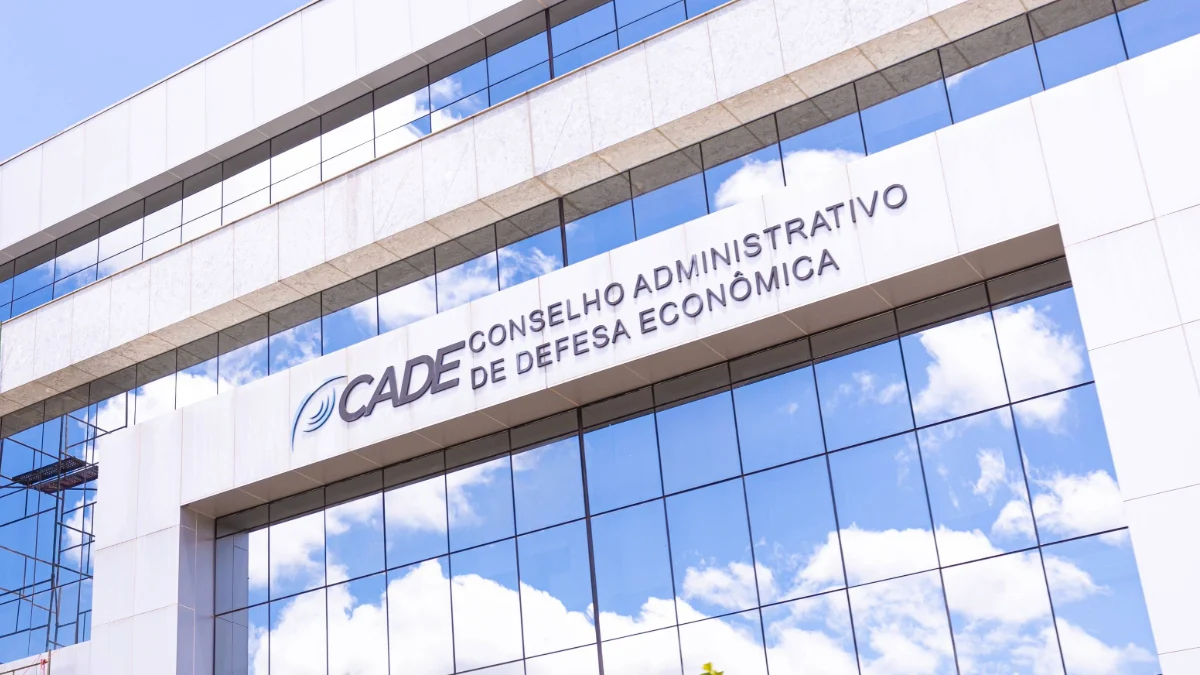
Brazil’s competition watchdog, the Administrative Council for Economic Defense (CADE), unanimously voted on April 25, 2026, to open a formal investigation into Google’s use of news content without compensating publishers. The investigation will examine whether Google’s practice of scraping journalistic material for its ‘News’ tab and AI Overviews constitutes an anti-competitive practice and whether publishers opting out are unfairly penalized with reduced visibility.
Scope of the Investigation
The case centers on Google’s AI Overviews feature, which generates summaries of news articles at the top of search results, potentially reducing direct traffic to news websites. A study submitted to CADE by four civil society organizations estimated that AI Overviews could reduce web traffic to news outlets by at least 20.6%. The same study highlighted that Google disproportionately favored its own YouTube content as sources for these summaries.
Experts warn this “zero-click” phenomenon discourages users from visiting the original news sites, undermining publishers’ advertising revenue and economic sustainability. Moreover, the investigation addresses the issue of Google training its AI models on journalistic content without adequately compensating the content creators.
Concerns from Media and Legal Experts
Samira de Castro, president of the National Journalism Federation (Fenaj), stressed the broader implications of the case beyond antitrust law, highlighting risks to democracy, information diversity, and journalistic integrity. Castro emphasized that Google’s control over news access influences which voices gain visibility, disproportionately affecting smaller and regional outlets essential to pluralistic public debate.
Stella Caram Abduch, legal head at tech nonprofit Foxglove, noted that Google’s AI Overviews not only reduce traffic but also affect access to high-quality information, with serious consequences for democratic discourse. Abduch called the case “a very important signal” of Brazil’s regulatory seriousness toward digital market abuses.
Regulatory and Industry Context
CADE’s investigation follows a similar path as inquiries in the United Kingdom and European Union, where Google’s news practices are under scrutiny for potential anticompetitive behavior. The case was first brought to CADE in 2019 but was dismissed late in 2024. It was reinstated in early 2025 and moved to formal investigation after unanimous commissioner votes in April 2026.
The rise of AI-powered features like Google’s AI Overviews has shifted the focus from simple content scraping to the broader economic and informational effects of AI-generated news summaries. CADE commissioners have emphasized the importance of involving civil society in the investigation to keep regulatory understanding aligned with technological developments.
Publisher Relations and Market Impact
Two major Brazilian newspapers, O Estado de S. Paulo and Folha de S. Paulo, recently reached undisclosed licensing agreements with Google to allow their content to train Google’s AI Gemini system. However, smaller outlets often lack the negotiation power to secure similar deals, which exacerbates market imbalances.
Despite Google’s investments in journalistic activities in Brazil through programs like the Google News Initiative, many news outlets that benefited continue to experience significant traffic declines after the introduction of AI Overviews. Advocates warn these trends threaten the viability of journalism, a sector crucial to informed democratic societies.
Why it matters
The investigation could reshape how digital platforms compensate news publishers for their content and influence the regulation of AI-generated summaries, with consequences for journalistic independence and pluralism in Brazil and beyond. CADE’s actions signal a growing global regulatory focus on platform accountability and economic fairness in news distribution.
Read more Digital Policy stories on Goka World News.
Sources
This article is based on reporting and publicly available information from the following source: