
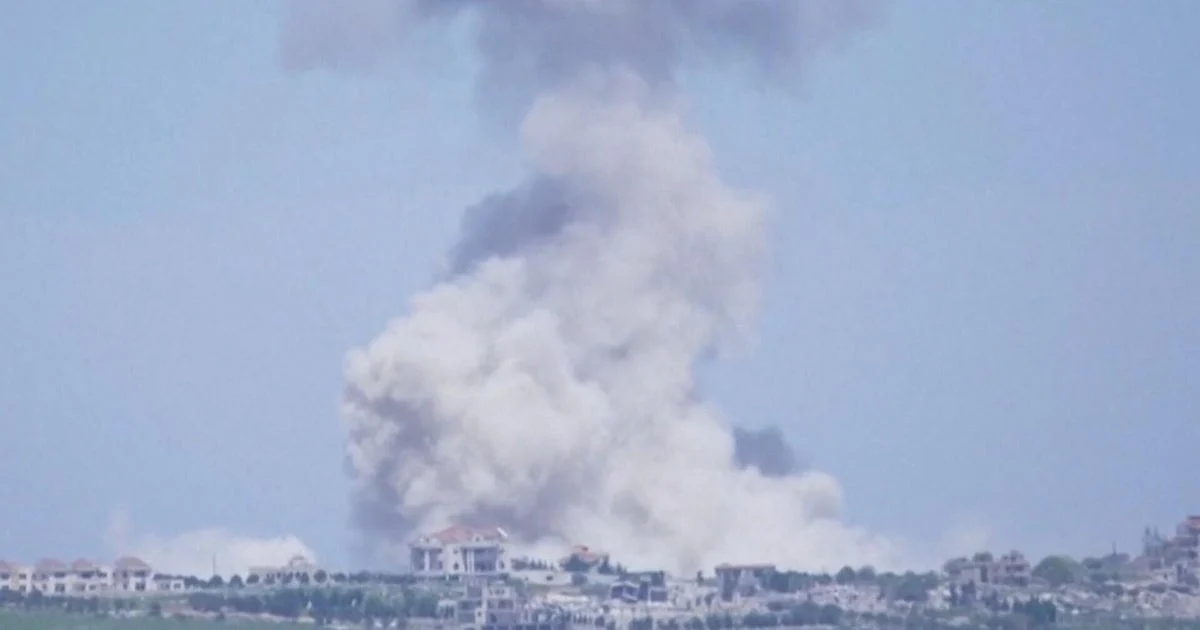
Fighting between Israel and Hezbollah in Lebanon persists despite an active ceasefire agreement between Israel and Iran, according to recent reports.
The ceasefire remains officially in place as of Saturday; however, sporadic shooting incidents have been reported along the Israel-Lebanon border. The exchanges reflect ongoing tensions that have not fully subsided despite diplomatic efforts.
Regional tensions continue despite ceasefire
Hezbollah, a Lebanon-based armed group backed by Iran, has historically engaged in conflict with Israel. The current flare-up of gunfire comes amid a broader geopolitical context involving Iran and its allies in the Middle East. Although a ceasefire was reached with Iran, localized violence between Israel and Hezbollah has not ceased completely.
This ongoing low-intensity conflict underscores the fragile nature of peace arrangements in the region. It highlights the challenges in enforcing ceasefires when multiple actors and proxy groups operate with differing objectives and loyalties.
Military and diplomatic implications
The intermittent border clashes demonstrate that while state-level agreements such as ceasefires can be negotiated, controlling militia groups like Hezbollah is more complex. These incidents could escalate into larger confrontations if not contained.
Diplomatic channels remain essential to prevent the exchange of fire from escalating into broader conflict. The situation remains fluid, and monitoring ongoing interactions is key to understanding the stability of the Israel-Lebanon frontier.
Read more World News stories on Goka World News.
Sources
This article is based on reporting and publicly available information from the following source: