
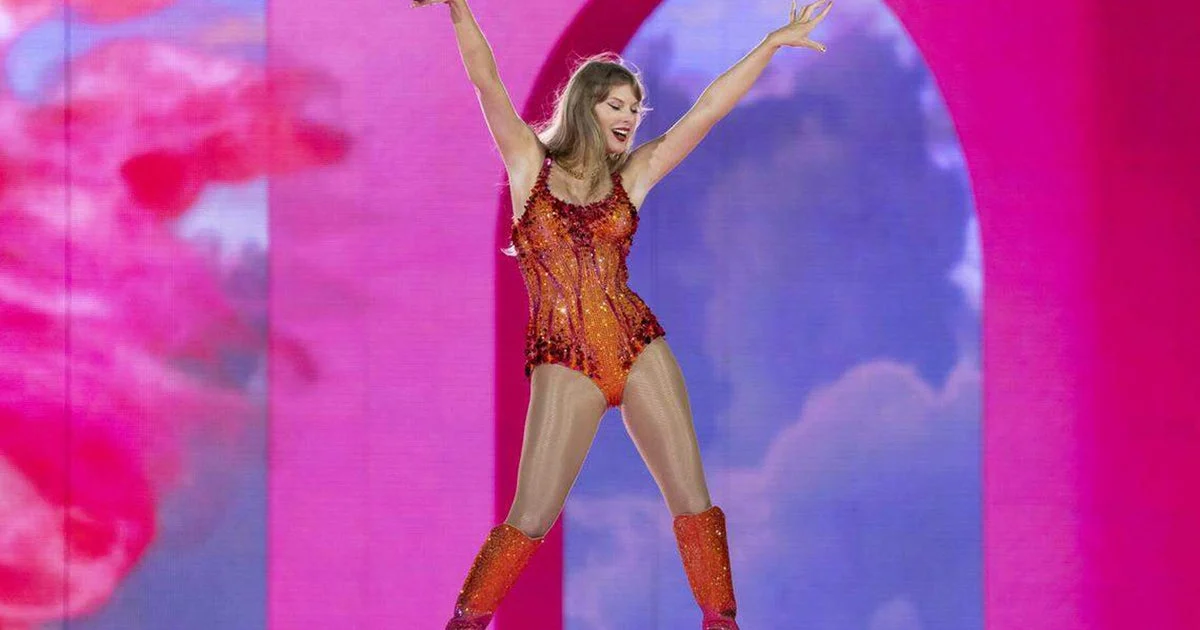
Taylor Swift has filed three trademark applications aimed at protecting her voice and likeness as artificial intelligence-driven deepfakes become more prevalent. The pop star’s company submitted the applications on Friday to the U.S. Patent and Trademark Office, marking a proactive step to address emerging risks linked to AI.
Two of the applications seek trademark protection for her voice saying the phrases “Hey, it’s Taylor Swift,” and “Hey, it’s Taylor.” The third application covers an image of Swift posing on stage with a guitar.
Trademarking Voice and Image to Combat Deepfakes
Intellectual property attorney Josh Gerben, who first identified the filings, explains that AI makes it increasingly easy to create convincing fake audio and visual content, known as deepfakes, which can portray celebrities doing or saying things they never actually did. Gerben notes that this technology allows anyone to generate and distribute such content widely, even if the imitation is not exact.
“Now, anyone can spin up a version of an artist’s voice, have it say anything, attach it to anything, and distribute it at scale,” Gerben said. “And the scary part? It doesn’t have to be an exact copy to cause damage.”
He expects Swift’s trademark filings will prompt more public figures to pursue similar legal protections, calling her a “leader in the intellectual property space.”
Legal Context and Industry Responses
Existing trademark laws offer some safeguards by prohibiting unauthorized use that could be mistaken for an original trademarked asset. However, these laws were created before advanced AI technologies became commercially available, creating challenges in enforcement.
Similar efforts have been made by other celebrities, including actor Matthew McConaughey, who sought to trademark his famous line “Alright, alright, alright” from the film “Dazed and Confused.”
Gerben suggests that these early trademark filings establish a precedent for how public figures can push back against AI-generated impersonations on digital platforms, emphasizing the need for platforms to restrict AI-generated content that misuses a celebrity’s identity.
Why it matters
As AI tools rapidly improve, the ability to produce convincing counterfeit content threatens public figures’ control over their image and voice. Trademarking elements such as specific phrases and images provides a legal mechanism to combat unauthorized AI-generated content and protect personal brand integrity.
Taylor Swift’s filing is among the first high-profile moves to address the risks posed by AI impersonations, signaling a shift in how intellectual property law may evolve to govern AI’s impact on celebrity identities.
Read more AI Regulation stories on Goka World News.
Sources
This article is based on reporting and publicly available information from the following source: