
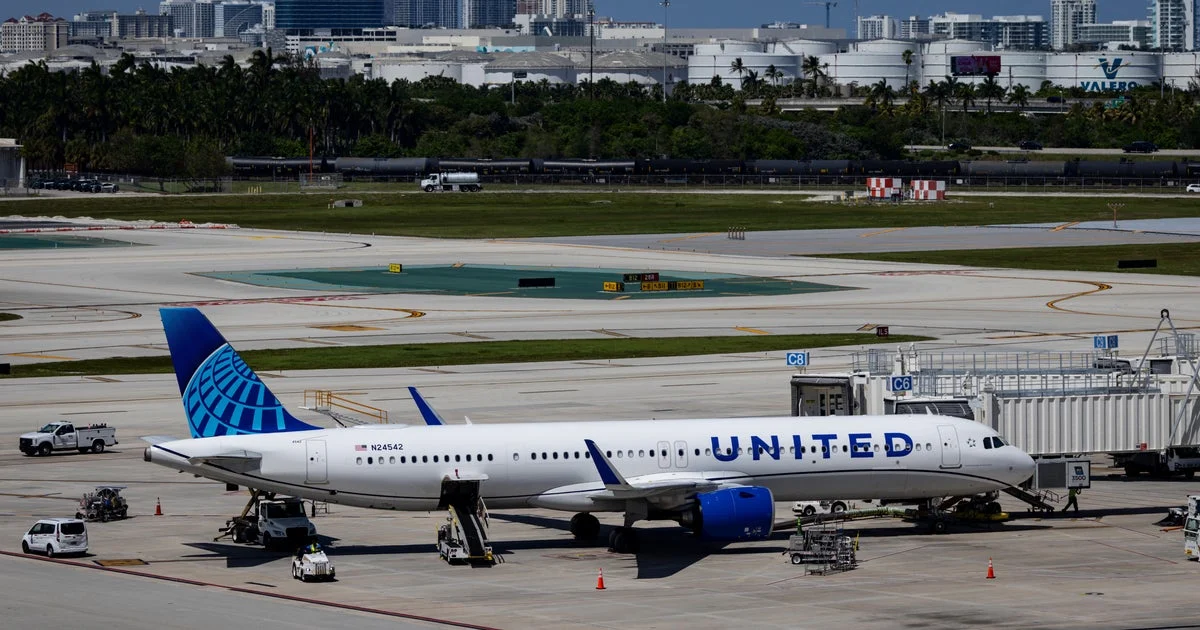
United Airlines CEO Scott Kirby disclosed on April 27 that he initiated discussions with American Airlines about a possible merger between the two carriers. Kirby expressed confidence that a merger would strengthen the airline industry and attract regulatory approval, but American Airlines declined to engage in talks.
“I was confident that this combination, which would have been about adding and not subtracting, creating a truly great airline that customers love, could get regulatory approval,” Kirby said in a statement.
Sources revealed earlier that Kirby had also suggested the merger idea to Trump administration officials. Despite this, American Airlines publicly rejected the proposal, stating on April 17 that it is “not engaged with or interested” in any merger discussions and directing inquiries back to that statement.
Kirby remarked, “I was hoping to pitch that story to American, but they declined to engage and instead responded by publicly closing the door. And without a willing partner, something this big simply can’t get done.”
Industry and Regulatory Concerns
The potential merger has drawn sharp criticism from lawmakers concerned about its effect on competition. Senators Elizabeth Warren and Mike Lee sent a letter to airline executives last week warning that such consolidation would weaken competition and harm consumers.
Kirby argued that the merger would create “high-paying, unionized jobs,” improve affordability for customers, and enhance the U.S. airline’s ability to compete internationally. “By combining our airlines and using that scale to revolutionize our customers’ experience, we’d create a new, thriving U.S. airline that would be the very best in the world for customers – full stop,” he stated.
Why it matters
A merger between United and American Airlines could reshape the U.S. airline industry by significantly reducing the number of major competitors. Such consolidation raises concerns over reduced consumer choice, potential price increases, and regulatory challenges. Lawmakers’ opposition underscores the scrutiny any merger would face before approval.
The airlines’ rejection of the merger talks highlights the difficulty of aligning strategic interests in a highly competitive and regulated sector. As the airline industry contends with rising operational costs and changing market dynamics, any major consolidation effort could have widespread economic and consumer impacts.
Read more Business stories on Goka World News.
Sources
This article is based on reporting and publicly available information from the following source: