
The Federal Reserve is set to announce its interest rate decision on Wednesday, with economists overwhelmingly expecting the central bank to maintain its current target range of 3.5% to 3.75%. This decision comes as the Fed faces persistent inflation pressures and an uncertain economic outlook shaped by geopolitical tensions.
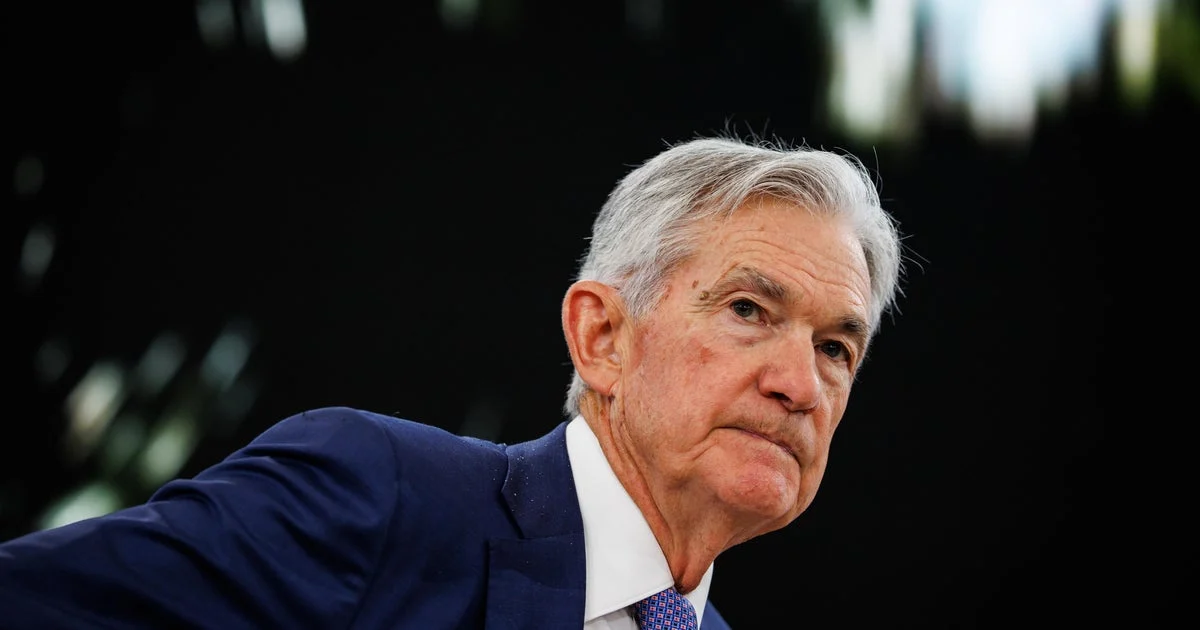
The Federal Open Market Committee (FOMC), responsible for setting U.S. monetary policy, will release its decision at 2 p.m. ET, followed by a press conference at 2:30 p.m. led by Fed Chair Jerome Powell. This will likely be Powell’s final meeting before his term ends on May 15.
Economic conditions influencing the Fed’s decision
Inflation remains elevated, with the Consumer Price Index increasing 3.3% year-over-year in March, marking the highest level since May 2024 and well above the Fed’s 2% target. The ongoing conflict involving Iran has contributed to rising energy prices, adding further inflationary pressures.
The labor market is stable but lacks robust growth. Although job growth remains steady, hiring activities have softened, and layoffs have not significantly increased. Economists note this modest labor market dynamic does not yet justify a rate cut.
Outlook on future rate changes and leadership transition
After holding rates steady in January and March, the Fed is expected to continue its cautious approach to avoid fueling additional inflation. While some economists forecast a potential rate cut later in 2026—possibly in December—others remain skeptical, citing uncertain inflation trends and global risks.
Jerome Powell’s tenure as Fed chair will conclude shortly after this meeting. His potential successor, Kevin Warsh, underwent a Senate Banking Committee confirmation hearing last week. Warsh’s nomination cleared a significant hurdle after a Justice Department probe into Powell’s role in Fed headquarters renovations was closed, resolving opposition from some senators.
Why it matters
The Fed’s decision will influence borrowing costs for consumers and businesses, impacting economic growth and inflation control efforts. Maintaining rates signals ongoing concern about inflation risks amid geopolitical uncertainty, especially energy price volatility due to the Iran war. The leadership transition could also affect future monetary policy direction, making this meeting particularly significant.
Read more Business stories on Goka World News.
Sources
This article is based on reporting and publicly available information from the following source: