
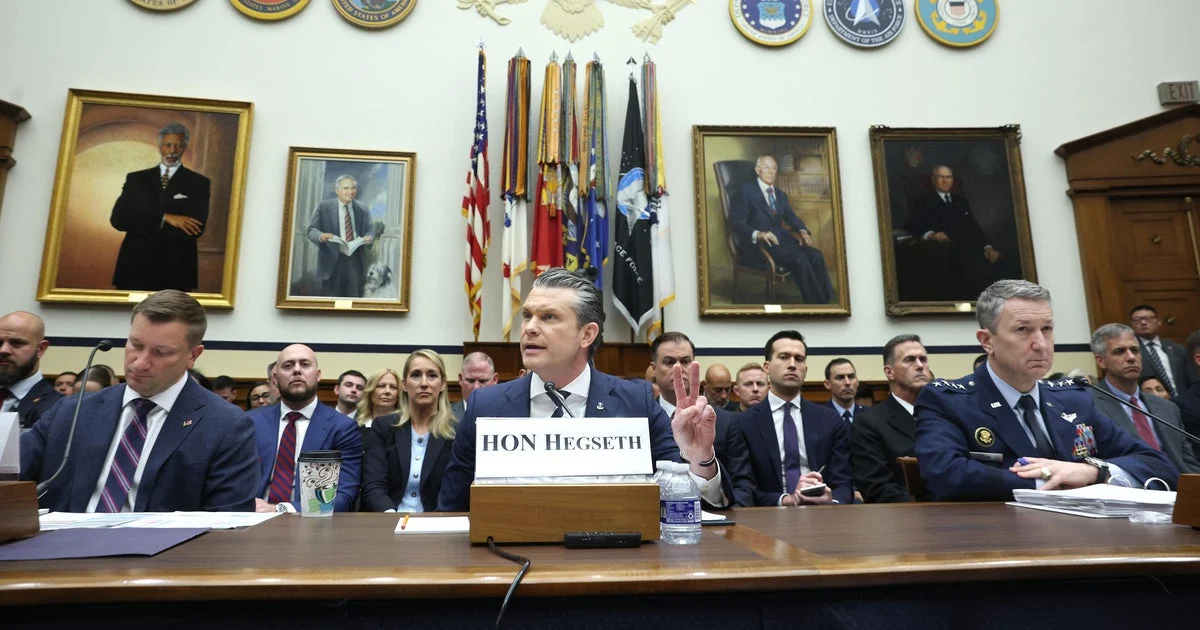
The ongoing conflict in Iran has cost approximately $25 billion to date, Acting Defense Department Comptroller Jules Hurst stated during testimony before the House Armed Services Committee on April 29, 2026. Hurst provided this estimate amid the Pentagon’s $1.5 trillion budget request hearings.
Hurst appeared alongside Defense Secretary Pete Hegseth and Chairman of the Joint Chiefs of Staff Gen. Dan Caine. This marked Hegseth’s first public testimony before Congress since June 2025, prior to the outbreak of hostilities in Iran. Committee members focused questions on the Pentagon’s capability to increase production of critical munitions and naval assets to counter threats like China and address the Iran conflict.
Democratic members, including Rep. Adam Smith, expressed skepticism about the U.S. strategy on Iran, pointing to stalled diplomatic talks and former President Trump’s earlier claims that Iran would relinquish its nuclear program and control over the Strait of Hormuz. Smith criticized such claims as “wish fulfillment” and urged for clear strategic plans.
In his opening remarks, Secretary Hegseth criticized congressional opposition, calling the biggest threat “reckless, feckless, and defeatist words” from some lawmakers just two months into what he described as an “existential fight for the safety of the American people.” He also referenced the length of previous conflicts in Iraq and Afghanistan, contrasting those with the current war’s timeline.
Senator Chris Coons questioned the $25 billion cost estimate, suggesting it was likely understated. Coons noted that the figure might reflect only munitions expended, excluding broader operational costs such as troop deployments and sustainment.
Republican Rep. Mike Rogers, chairman of the House Armed Services Committee, highlighted concerns about dwindling global munitions stockpiles and limited capacity to replenish them quickly.
Secretary Hegseth outlined efforts to boost production of 14 critical munitions types, including Patriot and THAAD interceptors as well as missile systems like SM-3, SM-6, AMRAAMs, JASSMs, and PrSMs, as part of readiness initiatives amid the conflict.
Why it matters
The $25 billion figure gives a preliminary financial scope of the Iran conflict, underpinning congressional debates about U.S. military spending and strategic priorities. The questioning highlights concerns about the war’s expanding costs, operational sustainability, and clarity of long-term objectives given stalled diplomacy and growing military demands.
Background
The U.S. entered into open conflict with Iran earlier in 2026 following years of escalating tensions over nuclear development and regional influence. President Trump initially projected the conflict would last four to six weeks, a timeline now extended by ongoing military operations and diplomatic impasses. The Pentagon’s budget request intends to address readiness challenges exacerbated by the Iran war and rival powers such as China.
Read more Politics stories on Goka World News.
Sources
This article is based on reporting and publicly available information from the following source: