
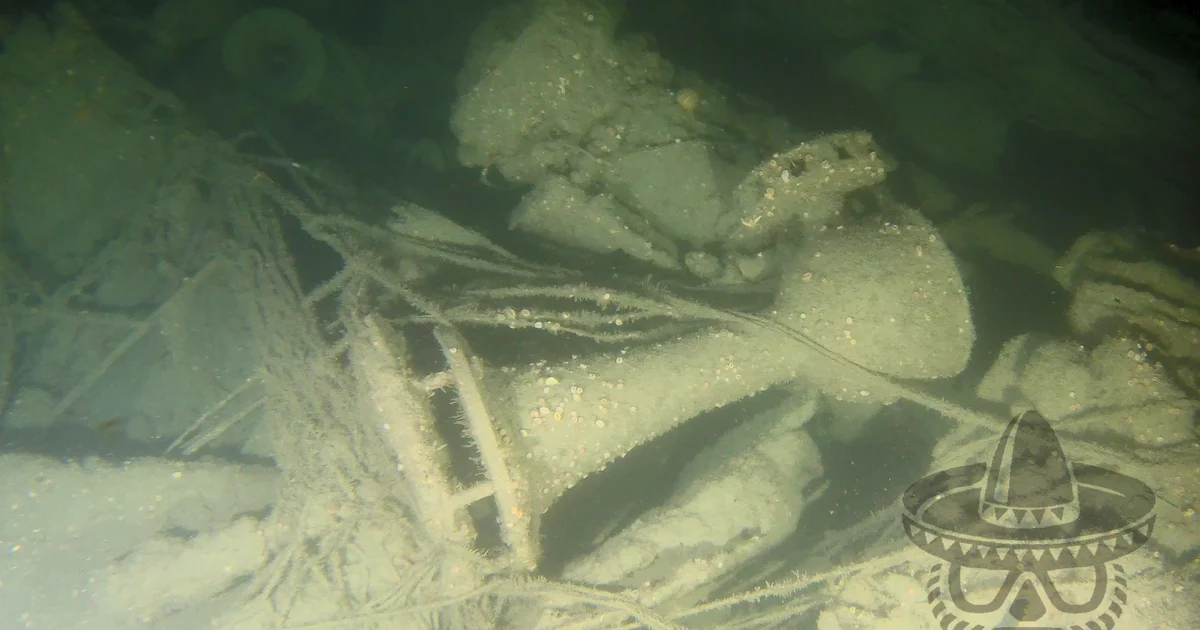
A British diving team has located the wreck of the U.S. Coast Guard Cutter Tampa, sunk by a German submarine in September 1918 during World War I, the Coast Guard confirmed on Wednesday. The Tampa was torpedoed in the Bristol Channel, killing all 131 crew members aboard, the largest loss of life on a U.S. combat ship in the conflict.
Discovery of the Tampa Wreck
The Tampa, lost for more than 100 years, was found by the Gasperados dive team about 50 miles off Cornwall in the Atlantic Ocean, resting more than 300 feet underwater. This discovery ended a three-year search following the team’s contact with the U.S. Coast Guard in 2023, which provided archival materials to aid the effort. After receiving new information, the divers pinpointed the wreck site and confirmed the find in late April 2026.
History and Sinking of the Tampa
In 1917, six Coast Guard cutters, including the Tampa, were deployed to escort convoys across the Atlantic. Commanded by Captain Charles Satterlee, the Tampa completed 18 convoy missions and earned commendations for its service. On the night of September 26, 1918, while en route to refuel in Wales, the Tampa was struck by a torpedo fired by German submarine UB-91. The ship sank rapidly, in less than three minutes, leaving no survivors. Rescue efforts found only debris and two bodies in naval uniforms.
The 131 personnel lost included 111 Coast Guardsmen, four U.S. Navy members, and 16 British Navy personnel and civilians.
Memorial Significance and Future Plans
Admiral Kevin Lunday, commandant of the U.S. Coast Guard, expressed that locating the Tampa’s wreck connects the service to the sacrifice of those lost and ensures their memory endures. The Coast Guard is now planning further underwater exploration of the site using robotic and autonomous technology to study the wreck in detail.
Why it matters
The Tampa represents the largest single naval combat loss for the United States during World War I. Its discovery offers closure to descendants and provides a tangible link to the sacrifices made by service members in that era. The site also serves as an underwater war memorial, highlighting the historical risks faced by convoy escorts during the conflict.
Background
World War I shipwrecks continue to be identified, shedding new light on naval history. Other recent discoveries include nine vessels sunk off Morocco and the British cruiser HMS Hawke, which was torpedoed off Scotland in 1914 with over 500 lives lost. These finds enhance historical research and marine archaeology relating to the war’s naval battles.
Read more World News stories on Goka World News.
Sources
This article is based on reporting and publicly available information from the following source: