
The White House has drafted a new drug control strategy that proposes innovative measures such as national wastewater testing and artificial intelligence (AI) to track and reduce illegal drug use across the United States. The 195-page plan, expected to be released next week, outlines these approaches alongside expanded treatment options and faith-based initiatives.
Central to the strategy is the use of wastewater-based monitoring to provide real-time, localized data on drug consumption and trafficking patterns. The administration aims to develop new data systems to better capture current drug trends and supply routes. Additionally, AI technologies will be employed to screen cargo at ports of entry more effectively and to analyze electronic health records for identifying patients at high risk of overdose.
The report highlights ongoing challenges despite a recent decline in U.S. overdose deaths, which peaked in mid-2023 and remain significantly above pre-opioid crisis levels. Federal data indicate over 68,000 overdose fatalities nationwide in the 12 months ending November 2025. While illicit drug use overall saw a small increase in 2024, marijuana use primarily drove this rise.
Expanded Treatment and Faith-Based Support
The strategy emphasizes that treatment for addiction must be more accessible and integrated into broader medical care. It advocates for individualized, comprehensive addiction treatment and supports medication-assisted treatment for opioid use disorder. The plan calls for research into similar treatments for methamphetamine, cocaine, and marijuana addictions.
Religious faith plays a notable role in the proposed approach. The document encourages faith leaders to promote drug-free social norms and offer hope to those struggling with addiction, describing faith-based support as a unique element in recovery efforts.
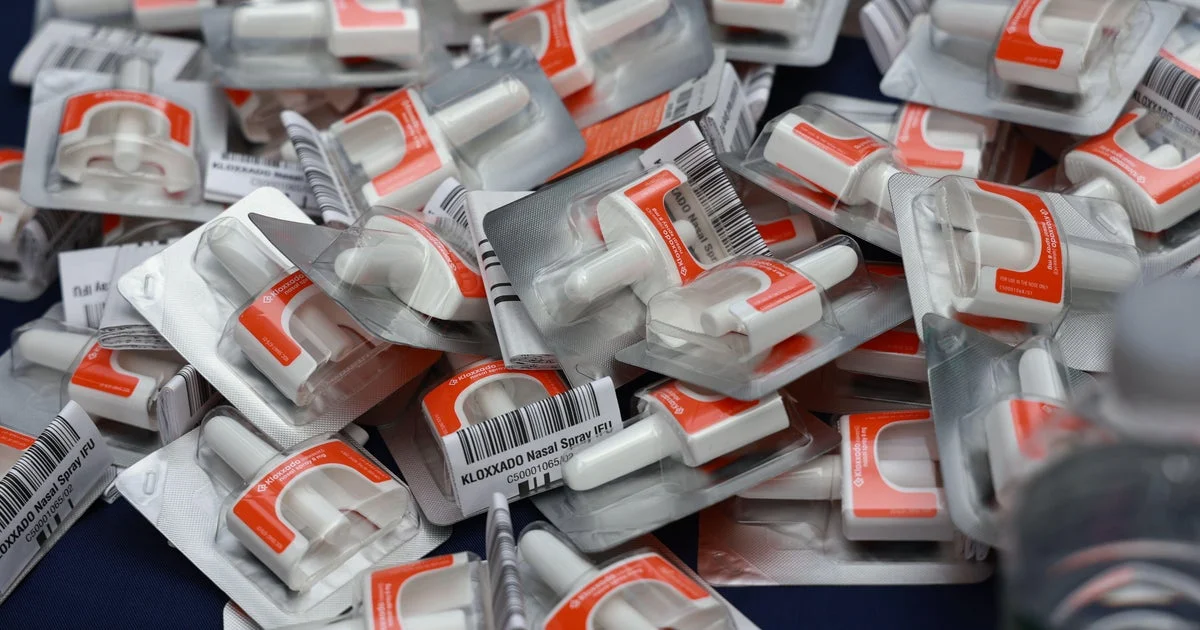
To combat overdose fatalities, the strategy calls for widespread availability of naloxone, comparing its accessibility to that of epinephrine for allergic reactions. It also endorses the use of fentanyl test strips as a tool to detect contaminated drugs, though a recent federal agency letter stated such strips cannot be purchased with federal grants.
Law Enforcement and Emerging Threats
The report acknowledges the persisting dangers posed by fentanyl-laced and synthetic drugs. It criticizes the aggressive marketing of high-potency marijuana products targeted at minors and highlights the normalization of drug use in popular culture.
The administration intends to continue strong law enforcement actions against illicit drug distribution, including classifying certain foreign drug cartels as terrorist organizations and conducting military strikes on drug trafficking vessels in Caribbean and Pacific waters.
Background
This strategy builds on President Trump’s previous efforts to address substance abuse, including signing an executive order to facilitate psychedelic research for mental health treatments and supporting the Justice Department’s recent move to reschedule some marijuana products to lower drug classifications for expedited review.
Sources
This article is based on reporting and publicly available information from the following source:
Read more Health & Public Health stories on Goka World News.