
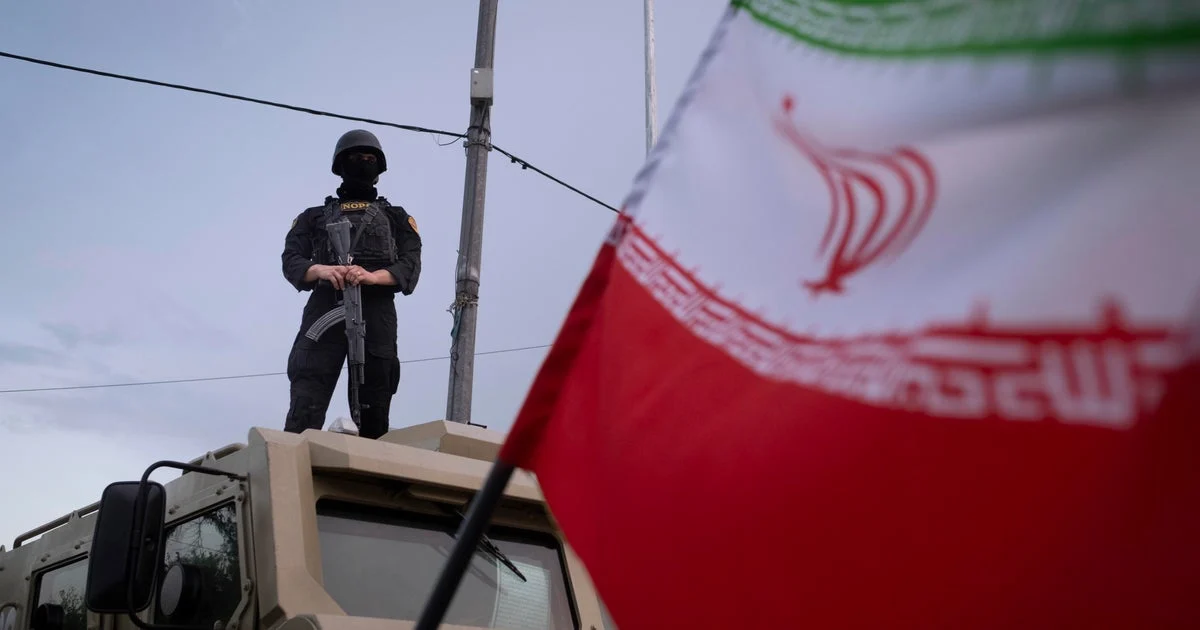
Iran has delivered a new proposal for peace talks with the United States through Pakistani mediators, aiming to reopen negotiations to end the ongoing conflict between the two countries. This development follows the Trump administration’s rejection of an earlier Iranian offer, which had postponed discussions on Iran’s nuclear program.
According to Iranian state media and Pakistani officials, the revised proposal was transmitted to the U.S. via Pakistan in late April. Pakistani sources indicated that the new submission includes amendments responding to previous U.S. terms, raising cautious optimism that a diplomatic resolution may be closer.
Despite the offer, tensions remain high. A senior Iranian military commander warned on Friday that any further U.S. attacks would provoke “sustained, wide-ranging, and painful retaliation.” Meanwhile, President Trump reiterated claims that the U.S. has “already won” the war but emphasized a desire to ensure Iran never acquires nuclear weapons.
The Trump administration is approaching a critical deadline related to a law limiting war authorization, which mandates congressional approval after 60 days of military engagement. Secretary of Defense Pete Hegseth has argued this limit is paused due to an ongoing ceasefire.
Why it matters
The revised peace proposal and mediation via Pakistan represent a significant diplomatic channel amid a costly nine-week conflict, raising the possibility of talks that could stabilize the region. However, ongoing military actions, including Israeli strikes against Hezbollah infrastructure in Lebanon and continued clashes, underscore the fragility of ceasefire agreements.
The diplomatic efforts occur against the backdrop of longstanding U.S. concerns over Iran’s nuclear ambitions, which Tehran denies. Tehran’s previous offer delayed nuclear discussions to a later date—an approach rejected by the U.S.—making the content of the new proposal critical to future negotiations.
Background
The conflict escalated after the U.S. withdrew from the 2015 Iran nuclear deal and launched a joint military campaign with Israel targeting Iranian interests. The war’s legality was defended by the U.S. government on grounds of collective self-defense of Israel and threats from Iran’s missile capabilities, but Iran strongly disputes this characterization, labeling the U.S. military action as aggression.
Mojtaba Khamenei, Iran’s new supreme leader, reportedly survived a U.S. or Israeli strike that killed his predecessor earlier in the conflict. Iranian officials claim he is managing national affairs despite questions about his condition raised by outside observers.
The ongoing violence complicates diplomatic efforts, as Israeli and Hezbollah forces continue to accuse each other of ceasefire violations with military engagements in southern Lebanon. Israeli forces have also ordered evacuations in Lebanese border regions, intensifying the humanitarian impact in the area.
Sources
This article is based on reporting and publicly available information from the following source:
Read more World News stories on Goka World News.