
A federal judge has blocked the Trump administration from ending Temporary Protected Status (TPS) for more than 2,800 Yemeni nationals residing in the United States. U.S. District Judge Dale Ho ruled that the Department of Homeland Security (DHS) likely acted unlawfully by terminating the protections without following required legal procedures.
Judge Ho’s decision came in response to a lawsuit filed by 16 Yemeni nationals who currently hold TPS or are applying for it. The ruling prevents DHS from ending the program while the case proceeds.
Judge cites procedural violations in DHS decision
Ho, appointed by President Joe Biden, found that former DHS Secretary Kristi Noem ignored the congressional process mandated for reviewing country conditions before terminating TPS. He wrote that the department “acted unlawfully by terminating TPS in clear disregard of the procedural requirements established by Congress.”
The judge criticized the abrupt manner in which the administration ended the program, saying it “short-circuited” the review process required by the TPS statute and the Administrative Procedure Act, thereby undermining public accountability.
Details of Yemen’s TPS designation and termination attempt
Yemen was designated for TPS in 2015 during the Obama administration due to ongoing armed conflict, making return unsafe for Yemeni nationals. The protection has been extended multiple times, including during the Trump administration. The latest extension occurred in 2024, citing continuing civil war and humanitarian crises.
Despite the continued dangers, DHS announced in February 2026 that TPS for Yemen would end. A federal notice in March stated that while Yemen still faces extraordinary conditions, terminating TPS was “required because it is contrary to the national interest” to allow Yemeni nationals to remain temporarily in the U.S. The program was set to expire on May 4, 2026, giving beneficiaries 60 days to leave or face deportation.
Judge Ho’s injunction now halts that deadline, allowing Yemeni nationals to keep their work and residency protections while the case moves forward.
Context of travel advisories and ongoing conflict
The U.S. State Department continues to maintain a Level 4 travel advisory for Yemen, warning of terrorism, unrest, crime, health risks, kidnappings, and landmines. The ongoing civil war and humanitarian situation have made repatriation unsafe, the basis for initial and renewed TPS designations.
In his ruling, Judge Ho emphasized that Yemeni TPS holders are law-abiding individuals protected under a statutory process that requires periodic review but safeguards their status in light of unsafe conditions.
Why it matters
This ruling temporarily preserves deportation protections for thousands of Yemenis who face unsafe conditions if forced to return home. It highlights the legal standards that DHS must follow when altering immigration protections and adds to ongoing challenges against the Trump administration’s efforts to roll back TPS for multiple countries.
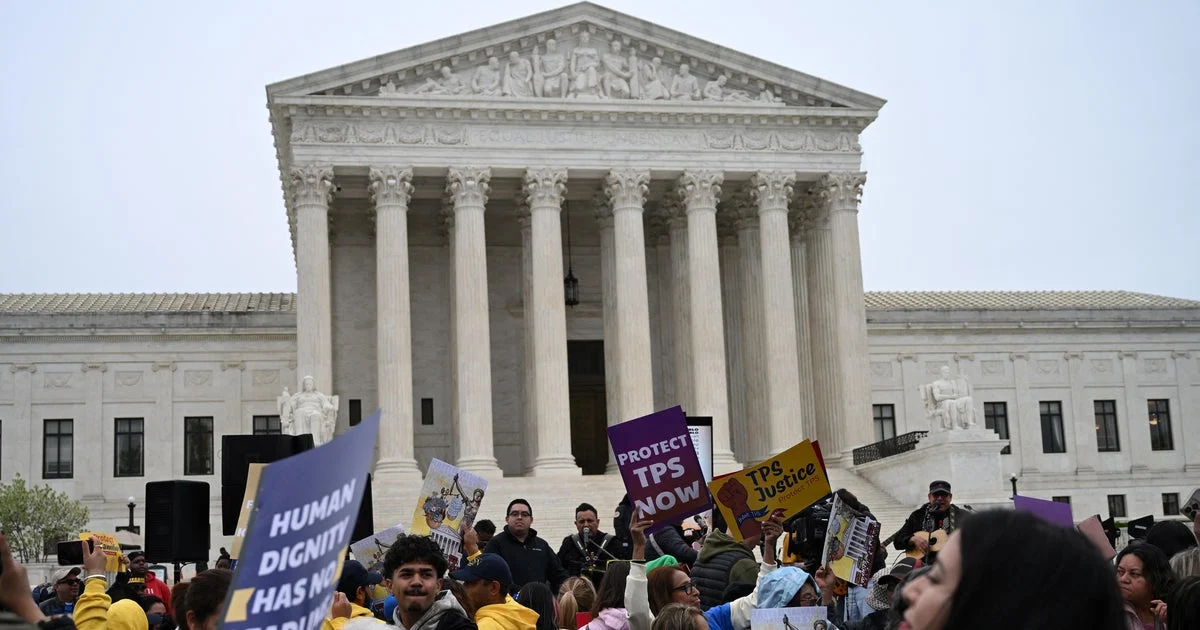
The Supreme Court is currently reviewing related cases involving attempts to end TPS for nationals from Syria and Haiti, with decisions expected by mid-2026.
Background
Congress established the Temporary Protected Status program in 1990 to provide temporary refuge to nationals from countries affected by war, natural disasters, or other extraordinary conditions. TPS grants permission to live and work in the U.S. for renewable 18-month periods, contingent on ongoing unsafe conditions in the designated country.
The program excludes individuals who pose security risks or have serious criminal histories. DHS has the authority to designate or terminate TPS protections, but must adhere to statutory and procedural requirements in evaluating country conditions.
Sources
This article is based on reporting and publicly available information from the following source:
Read more Politics stories on Goka World News.