
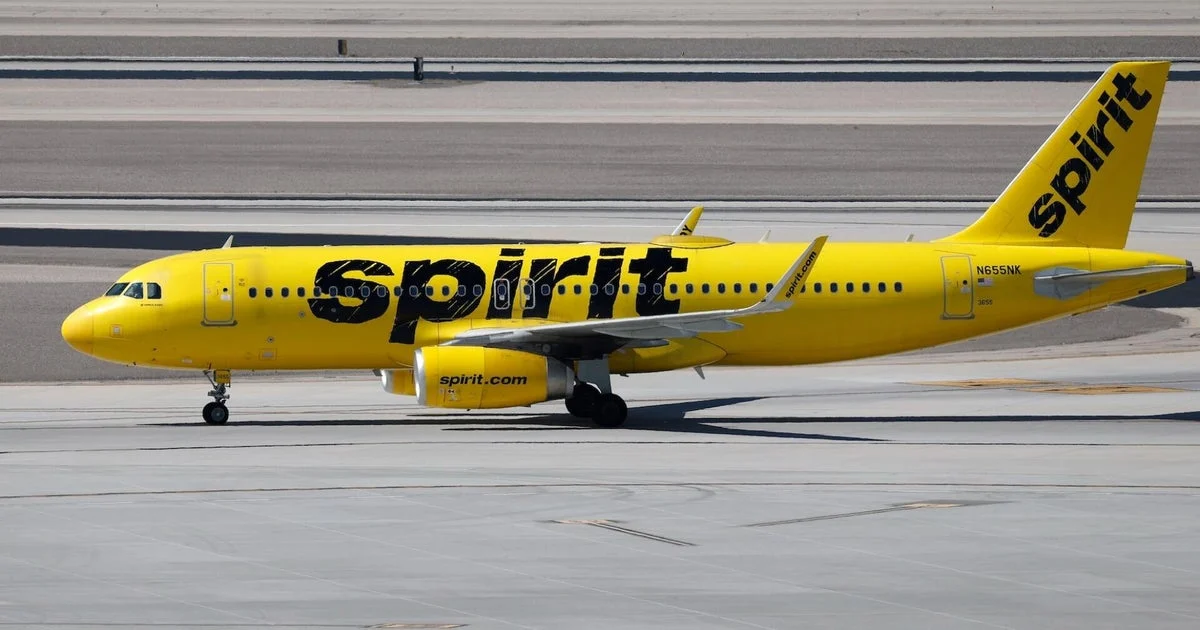
Spirit Airlines, a budget carrier, ceased all operations on Saturday after facing severe financial difficulties marked by escalating fuel expenses and overwhelming debt. The airline’s efforts to secure a government bailout ultimately failed, exacerbating the crisis.
Thousands of passengers were left stranded as flights were canceled, and employees faced an uncertain future following the abrupt shutdown. Investors also experienced significant losses due to the collapsed rescue efforts and the carrier’s cessation of services.
The airline had been attempting to stabilize its finances amid a challenging economic environment for low-cost carriers, which have been particularly vulnerable to the volatility in fuel prices. However, the combination of debt obligations and operational costs proved insurmountable.
Why it matters
Spirit Airlines’ closure highlights the ongoing vulnerability of budget airlines to fluctuations in fuel prices and financial management challenges. The shutdown disrupts affordable air travel options for many consumers and raises concerns about job security within the sector. Passengers and employees are now dealing with the immediate fallout, including canceled flights and potential unemployment.
Background
Spirit Airlines operated as a low-cost carrier, aiming to offer budget-friendly flights primarily in the U.S. market. The aviation industry has faced increased pressures in recent years due to rising fuel costs, inflation, and competitive market conditions, affecting carriers of all sizes. Despite efforts to secure federal aid, Spirit was unable to avoid bankruptcy or maintain operations.
The airline’s shutdown underscores the financial fragility of ultra-low-cost carriers and signals potential shifts in the competitive landscape of U.S. domestic air travel.
Sources
This article is based on reporting and publicly available information from the following source:
Read more Business stories on Goka World News.