
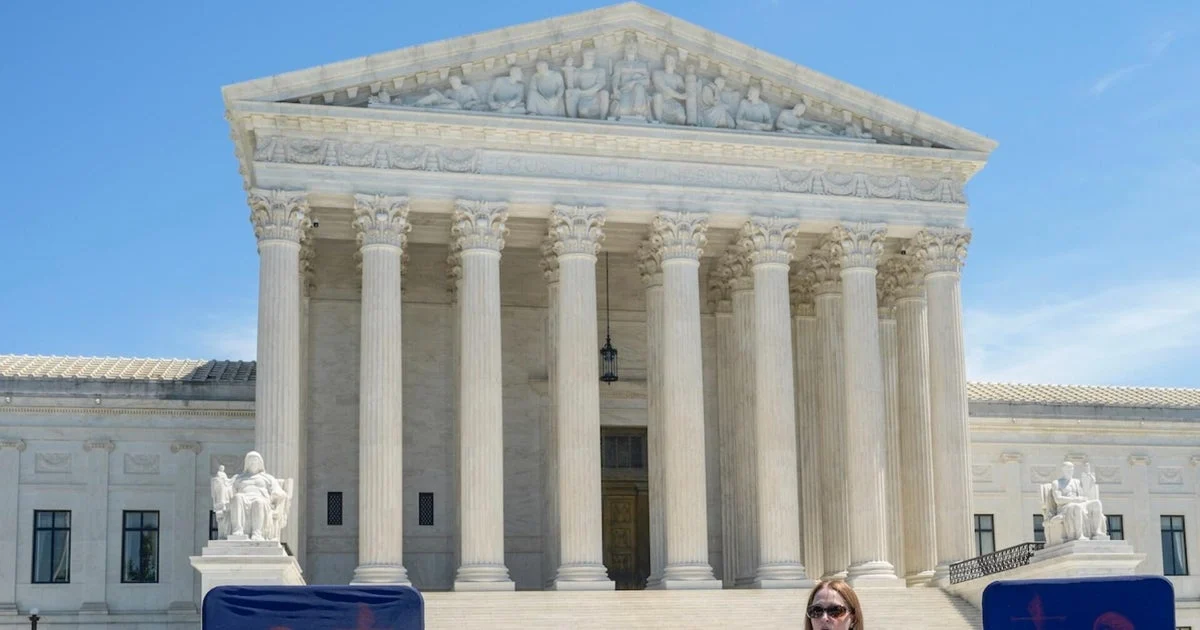
Alabama and Tennessee are among the states rapidly moving to redraw their congressional district boundaries after a recent Supreme Court decision that further limits protections under the Voting Rights Act of 1965. The ruling restricts federal oversight of state voting laws, prompting a swift response from states seeking to adjust their electoral maps.
Immediate Redistricting Actions
Following the court’s ruling, state legislatures have accelerated efforts to revise district maps. Both Alabama and Tennessee, traditionally monitored under the Voting Rights Act for changes that could affect minority voters, have initiated new redistricting processes. These changes come amid concerns that the ruling undermines federal authority to review and block voting practices deemed discriminatory.
Impact on Voting Rights Oversight
The Supreme Court’s decision marks a significant shift in the enforcement of the Voting Rights Act, reducing federal oversight especially in jurisdictions previously required to obtain preclearance for changes in voting rules and district lines. This development allows states more autonomy in redistricting, potentially affecting the representation of minority communities.
Why it matters
The ability of states to redraw congressional districts without stringent federal review raises concerns about the protection of minority voting rights in upcoming elections. Adjustments to district boundaries could influence political representation and election outcomes, intensifying debates over voting rights and electoral fairness nationwide.
Sources
This article is based on reporting and publicly available information from the following source:
Read more Politics stories on Goka World News.