
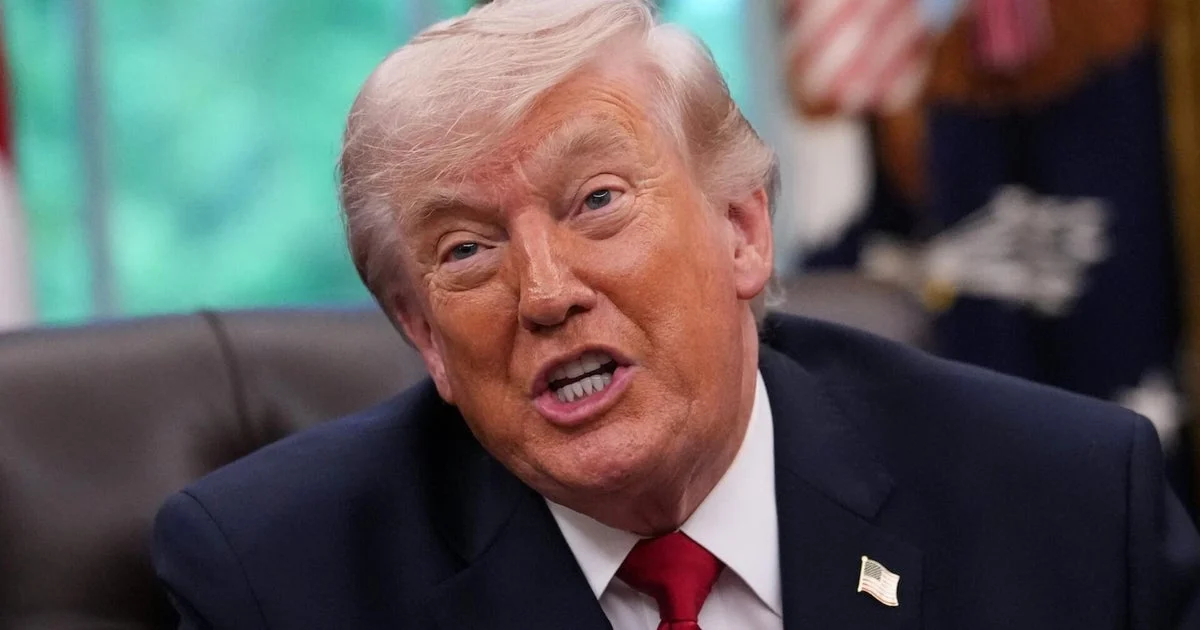
President Donald Trump described the U.S. Navy as “sort of like pirates” as it carries out a blockade of Iranian ports near the strategically vital Strait of Hormuz. This comparison came amid ongoing U.S. efforts to restrict Iran’s maritime activity in one of the world’s most critical shipping lanes.
The Strait of Hormuz is a key chokepoint for global oil shipments, making naval control in the region especially significant. The U.S. Navy’s blockade is intended to limit Iran’s movements and influence in the area.
In addition to military actions, U.S. authorities have issued warnings to shipping companies that they could face penalties if they pay tolls or fees to Iran to ensure safe passage through the Strait. This move targets Iran’s efforts to exert control and generate revenue from vessels transiting the waterway.
Why it matters
The U.S. naval blockade and sanctions on shipping companies reflect escalating tensions between the United States and Iran, with potential implications for global energy markets and international maritime security. The Strait of Hormuz handles a significant portion of the world’s oil exports, so any disruption or conflict in this area can affect global oil prices and supply stability.
By publicly framing the Navy’s role in such stark terms, President Trump’s remarks underscore the contentious nature of U.S. naval operations and the heightened diplomatic strain surrounding Iran’s regional activities.
Background
The Strait of Hormuz links the Persian Gulf with the Gulf of Oman and the Arabian Sea, serving as a passage for about one-fifth of the world’s petroleum exports. Iran has previously threatened to close the strait in response to U.S. sanctions, raising international concerns about freedom of navigation.
The U.S. has maintained a naval presence in the region for decades to safeguard maritime routes and ensure the free flow of commerce. Recent escalations, including sanctions and naval maneuvers, reflect a continuation of longstanding tensions with Iran, centered on its nuclear program, regional influence, and missile capabilities.
Sources
This article is based on reporting and publicly available information from the following source:
Read more Politics stories on Goka World News.